English
한국어
English
Español
中文
हिंदी
Home
News
Community
Dictionary
English
한국어
English
Español
中文
हिंदी
View list
Lewisia brachicalix
Lewisia brachycalyx
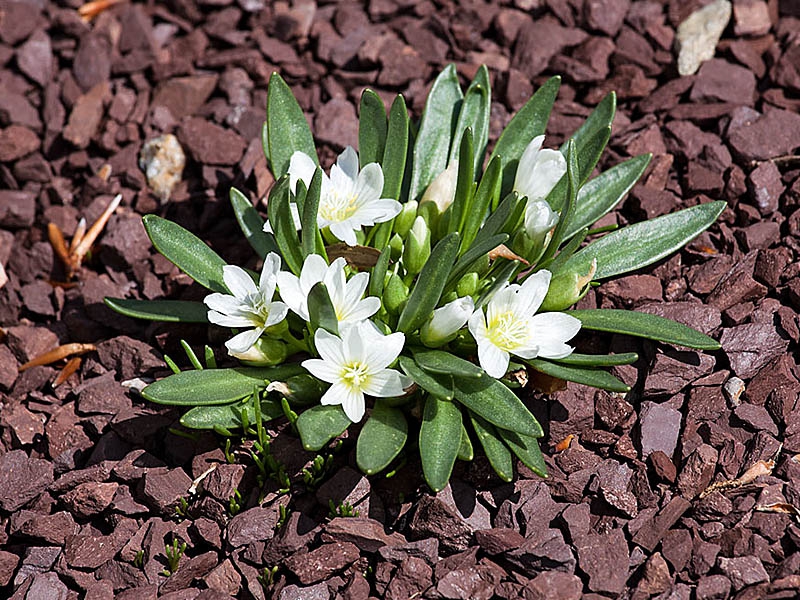
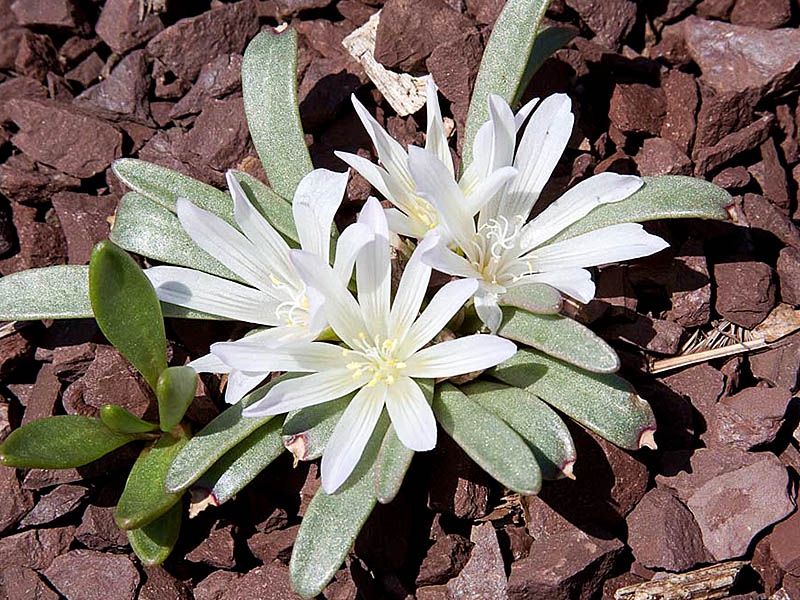
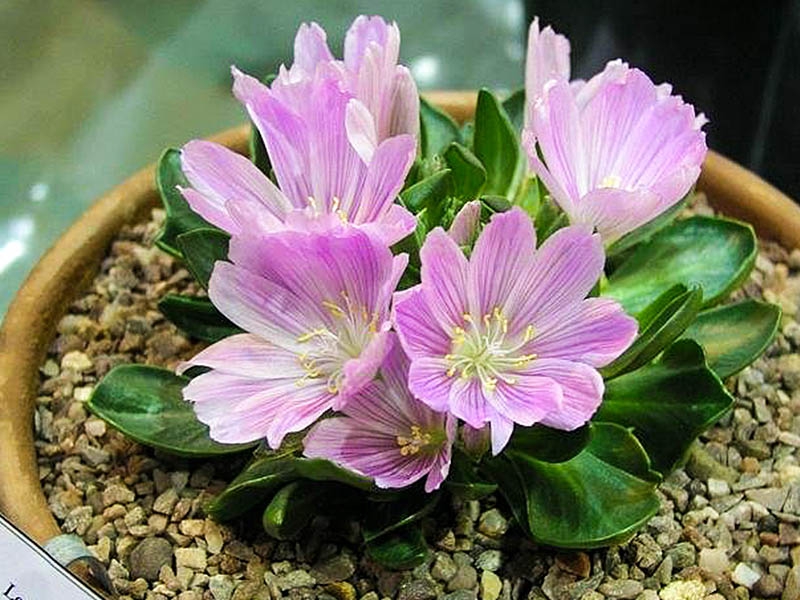
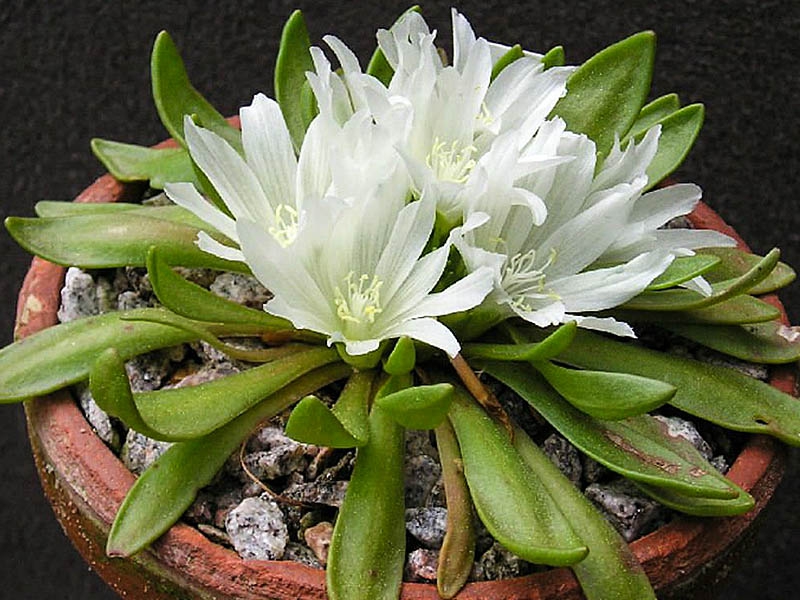
Growth Characteristics Lewisia brachicalix is a perennial herbaceous plant belonging to the Crassulaceae family, native primarily to alpine regions in North America. This plant grows close to the ground and features rosette-shaped leaves; it blooms with flowers of various colors, including pink, white, and yellow, from spring through summer. It prefers relatively dry, well-drained soil and thrives best in sunny locations. Propagation Methods Lewisia brachicalix is primarily propagated by seeds, which are best planted in the spring. Seeds can be sown directly or germinated indoors and then transplanted as seedlings. It can also be propagated by division, with early spring or late autumn being the optimal times for this method. Cultivation Methods When cultivating, it is important to select a location with well-drained soil and sufficient sunlight. Caution is required in environments with heavy rainfall or high humidity, as root rot may occur. Water at appropriate intervals, and to avoid overwatering, it is best to water when the surface of the soil becomes dry. Use in the Garden Lewisia brachicalix is widely used as an ornamental plant in gardens due to its colorful flowers and unique leaf shape. It is particularly suitable for rock gardens or landscaping in dry areas, and planting it mixed with other perennials provides a good visual effect. Key Pests and Diseases and Control Methods Major pests include root rot and leaf blight. To prevent root rot caused by excessive moisture, a well-drained environment must be established. Leaf blight is primarily caused by fungi, and using appropriate fungicides at the right time is effective for prevention. Aphids are a common pest; upon discovery, they can be removed by using a suitable insecticide or washing with water.
Plant Family
Purslane family
Height
4~8cm
Colors
white
Bloom Period
May~June
Water Needs
Bad
Exposure
Sunny
Freezing Resistance
-20°C
Leucotoi 'Scaleta'
Leucothoe fontanesiana
'Scarletta'
Lewisia 'Rozea'
Lewisia tweedyi
'Rosea'