English
한국어
English
Español
中文
हिंदी
Home
News
Community
Dictionary
English
한국어
English
Español
中文
हिंदी
View list
Liatris pycnostacia
Liatris pycnostachya
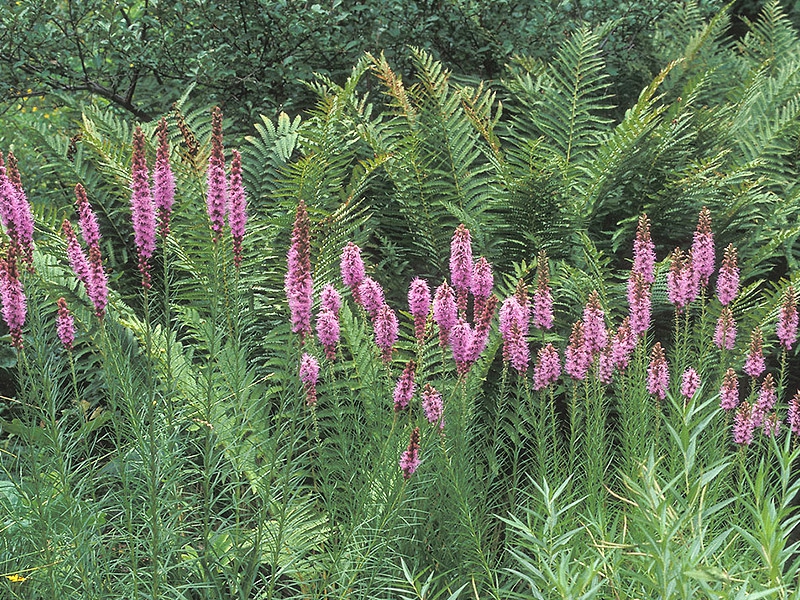
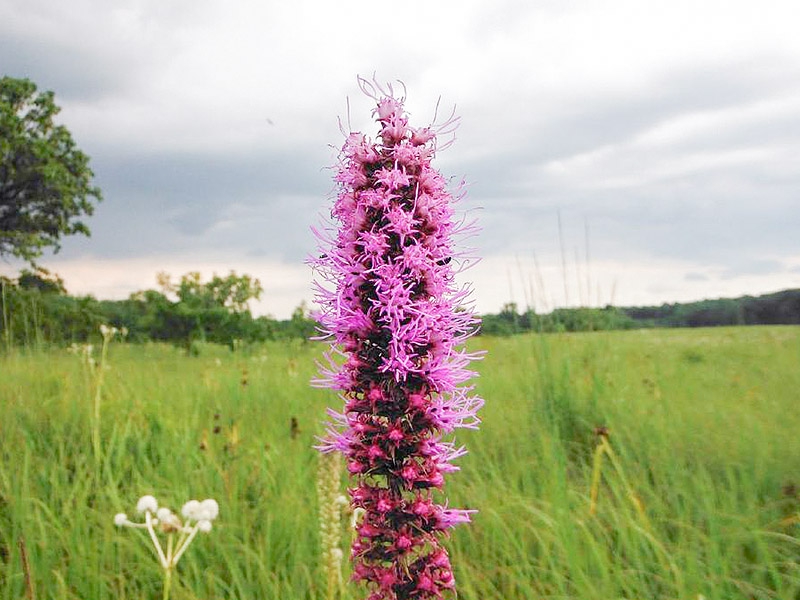
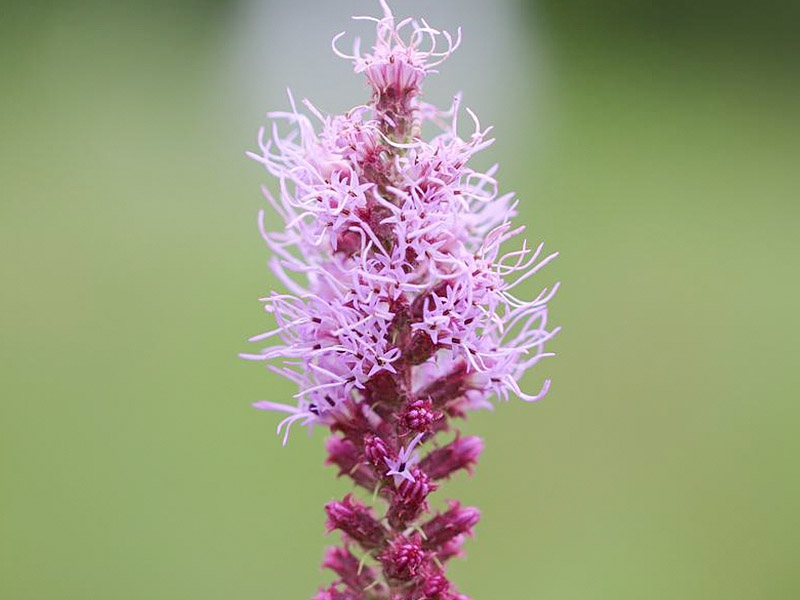
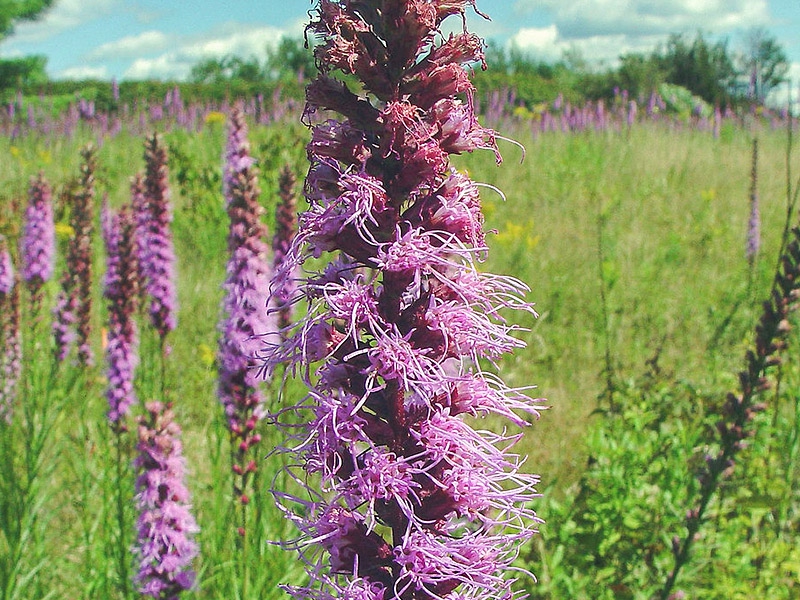
I will explain the growth characteristics, propagation methods, cultivation methods, garden uses, and major pests and diseases and control methods of Liatris pycnostacia. Growth Characteristics Liatris pycnostacia is a perennial herbaceous plant native to North America that primarily flowers from summer to autumn. This plant grows from rhizomes, and its upright stems can reach a maximum height of 1 to 2 meters. The leaves are long and slender, usually arranged alternately. Small purple flowers stand out in dense inflorescences and possess an attractive quality that draws pollinating insects, including butterflies. Propagation Methods Liatris pycnostacia is primarily propagated by seeds or root division. For seed propagation, seeds harvested in the autumn are sown indoors in the spring to germinate, after which they are transplanted outdoors. Root division is performed in early spring before new shoots appear; the rhizomes are carefully divided and planted in a new location. Cultivation Method This plant prefers well-drained soil and sunny locations. Root rot may occur in poorly drained soil, so improve drainage by mixing in sand or perlite if necessary. It is recommended to increase soil fertility by adding compost or organic matter before planting. Although this plant is drought-tolerant, it is important to provide sufficient water when needed to maintain flower quality. Garden Use Due to its showy inflorescences and long blooming period, Liatris pycnostacia is excellent for use as a background or centerpiece in the garden. Additionally, it has ecological value as it supports the habitat of various insects, making it highly valuable not only for ornamental purposes but also for landscaping. Important Pests and Control Methods This plant is relatively resistant to pests and diseases, but aphids, snails, and slugs can occasionally cause problems. Aphids can be controlled by washing them off with a diluted soap solution or by using natural predator insects. For snails and slugs, you can keep your garden clean and use natural control methods, such as natural predators like raccoons, or commercially available pesticides. Please refer to the information above to grow healthy and beautiful Liatris pycnostacia in your garden.
Plant Family
Asteraceae
Height
60~150cm
Spread
30~60cm
Colors
purple
Bloom Period
July~August
Water Needs
commonly
Exposure
Sunny
Freezing Resistance
-30°C
Liatris 'Floristan Violet'
Liatris spicata
'Floristan Violet'
Liatris Spicata 'Alba'
Liatris spicata
'Alba'