English
한국어
English
Español
中文
हिंदी
Home
News
Community
Dictionary
English
한국어
English
Español
中文
हिंदी
View list
Going American Waffle
Lindernia dubia
var.
anagallidea
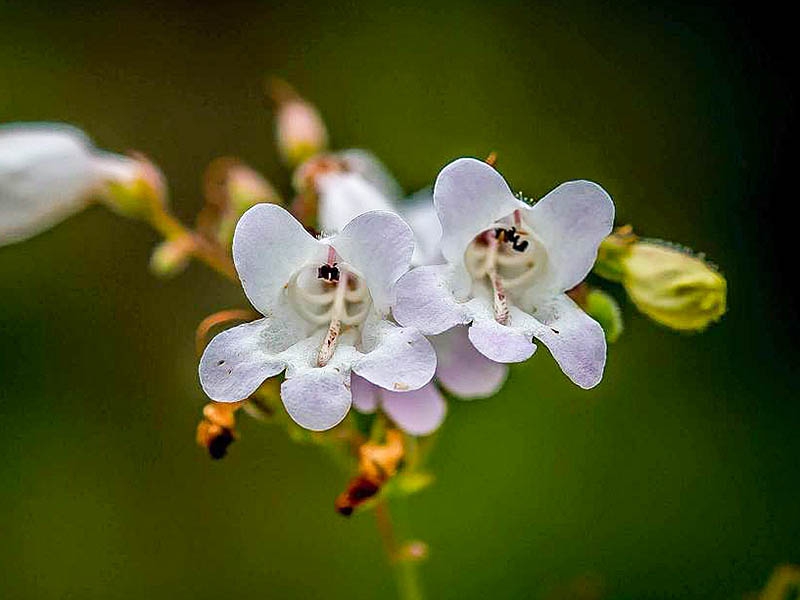
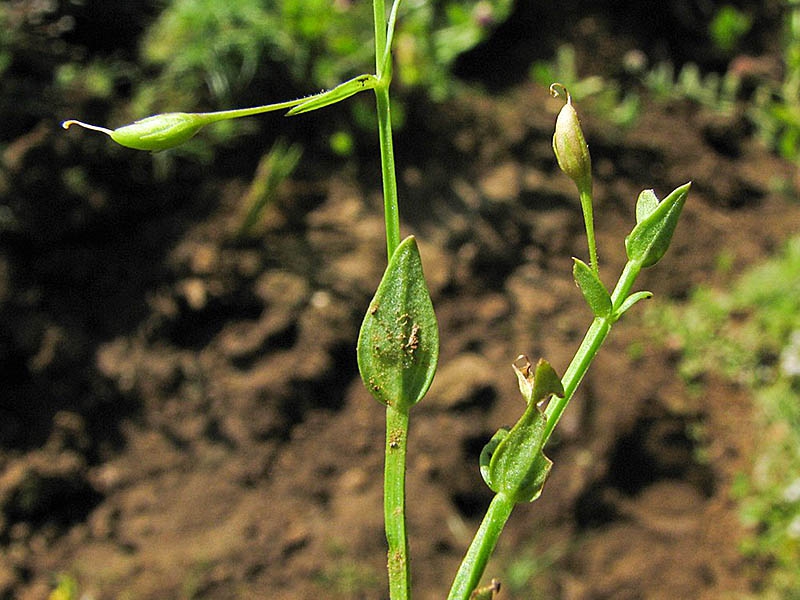
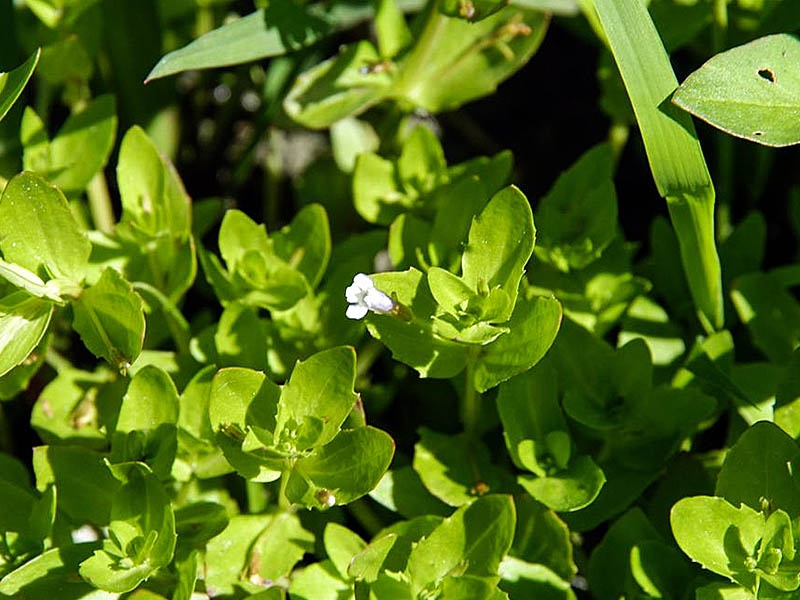
Lindernia anagallidea, also known as the slender American wedge, is a plant with a natural tendency to thrive primarily in wetlands or near water. Below is information regarding the growth characteristics, propagation methods, cultivation methods, garden uses, major pests and diseases, and control methods for Lindernia anagallidea. Growth Characteristics - Environment: It grows well in moist areas and prefers full sunlight, but can also grow in partial shade. - Soil: It thrives in high-quality, well-drained soil. - Growth: It grows relatively quickly, and growth is promoted during warmer seasons. Propagation Methods - Seeds: It can be propagated by seeds, and it is best to sow them in early spring. - Cuttings: Stems can be cut and planted in water or moist soil. Cultivation Methods - Planting: It is best to plant in early spring or late autumn, and sufficient watering is required after planting. - Watering: Water frequently to keep the soil moist, but be careful to prevent water from pooling. - Fertilization: Apply appropriate fertilizer during the growing season to replenish nutrients. Uses in the Garden - Ornamental: Primarily used for decoration in gardens near water or wetlands. - Borders: Decorate garden borders or place alongside other plants to create a natural effect. Important Pests and Control Methods - Pests and Diseases: While generally resistant to pests, root rot may occur if water pools. - Control Methods: It is important to maintain good drainage and use appropriate pesticides when necessary. The slender American wagtail is relatively easy to care for and grows beautifully and healthily as long as it is provided with the right environment.
Plant Family
Scrophulariaceae
Height
20~30cm
Colors
amethyst
Bloom Period
June to September
Water Needs
commonly
Exposure
Sunny
Freezing Resistance
-10°C
Weed
Lindernia crustacea
Linne grass
Linnaea borealis