English
한국어
English
Español
中文
हिंदी
Home
News
Community
Dictionary
English
한국어
English
Español
中文
हिंदी
View list
Black orchid
Liparis nervosa
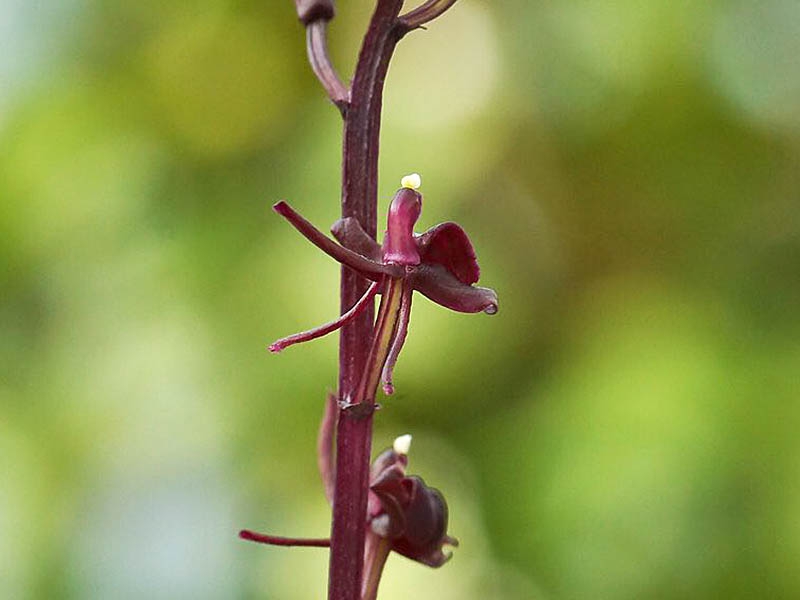
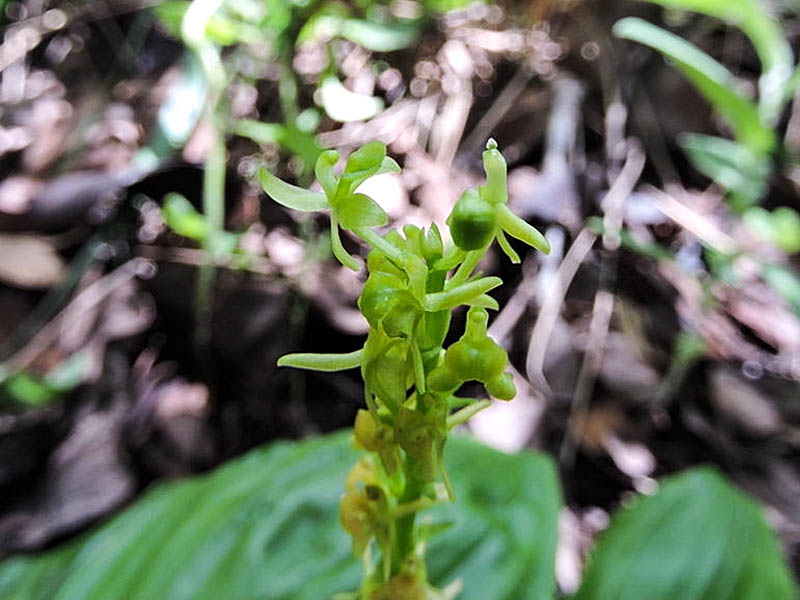
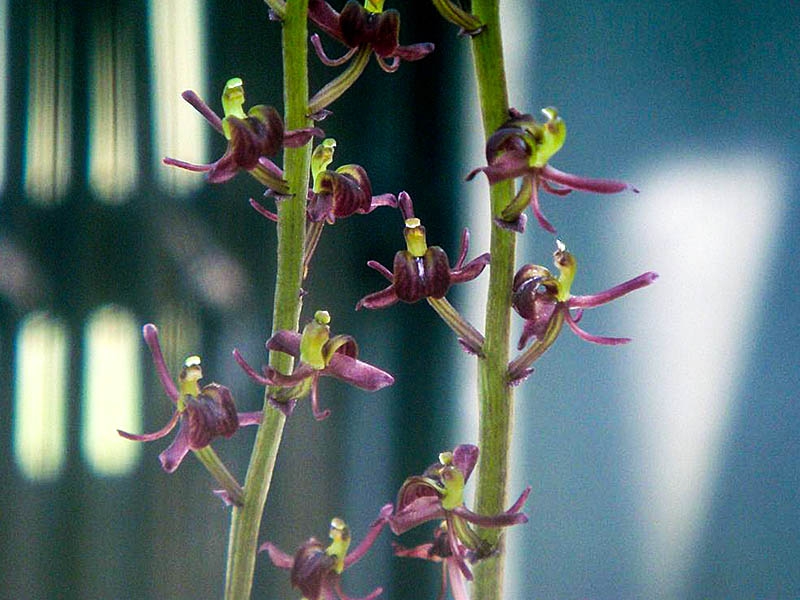
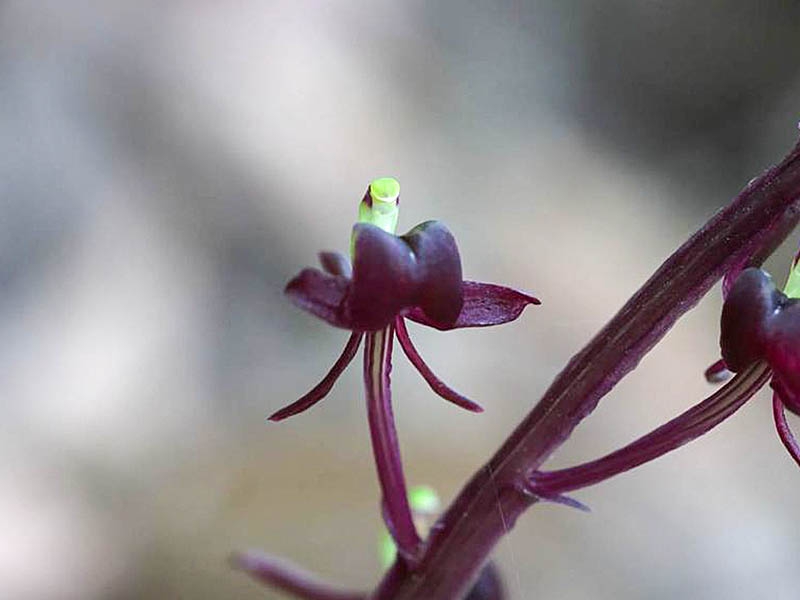
Liparis nervosa is an orchid species primarily distributed in Asia. It possesses the following characteristics regarding growth, propagation, cultivation, garden use, and major pests and diseases, as well as control methods. Growth Characteristics - Habitat: It mainly grows in humid forest areas and prefers partial shade. - Leaves and Flowers: The leaves are broadly oval, and the flowers are small, ranging in color from light green to purple. - Roots: Thin roots are well-developed and adhere well to the soil or layer of leaf mold. Propagation - Seed Propagation: In natural conditions, propagation is mainly achieved by seeds; however, symbiosis with specific microorganisms is required for the seeds to germinate. - Division: As an artificial propagation method, mature plants can be propagated by dividing the clumps. Cultivation - Soil: Well-drained soil is suitable, and soil rich in leaf mold is preferred. - Environment: A location receiving partial shade or indirect sunlight is ideal. Avoid excessive direct sunlight. - Watering: Keep the soil moist at all times, but avoid excessive watering. Uses in the Garden - Ornamental: Due to its beautiful flowers and unique leaf shape, it can be used as an ornamental plant in the garden. - Landscaping: It is suitable for landscaping that creates a natural atmosphere. Important Pests and Control Methods - Diseases: Root rot can occur due to excessive moisture. To prevent this, pay attention to drainage. - Pests: Leaves can be damaged by spider mites or other pests, so regular inspections and the use of insecticides are necessary. - Control: For eco-friendly control, methods include physically removing pests or using natural plant-based repellents. Based on this information, if you manage the European Orchid Nervosa well, you can grow it beautifully and healthily in your garden.
Plant Family
Orchid family
Height
10~20cm
Colors
amethyst
Bloom Period
June~July
Water Needs
commonly
Exposure
semi-shaded area
Freezing Resistance
-10°C
Spike-leaf orchid
Liparis japonica
Day-blooming orchid
Liparis krameri