English
한국어
English
Español
中文
हिंदी
Home
News
Community
Dictionary
English
한국어
English
Español
中文
हिंदी
View list
Wind tree
Liquidambar formosana
Hance
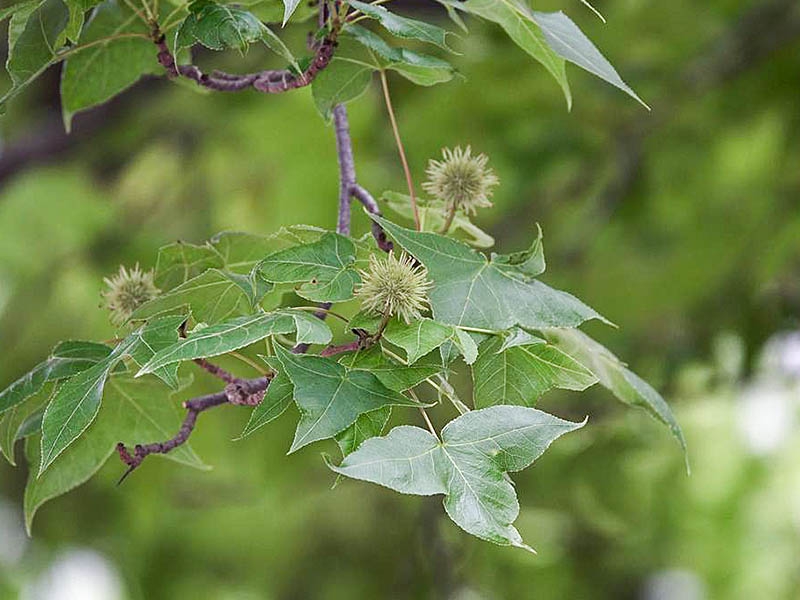
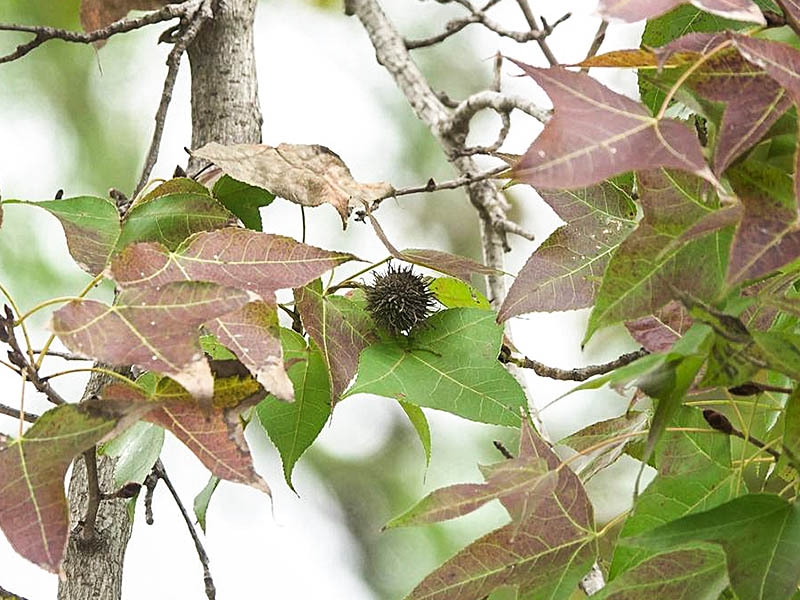
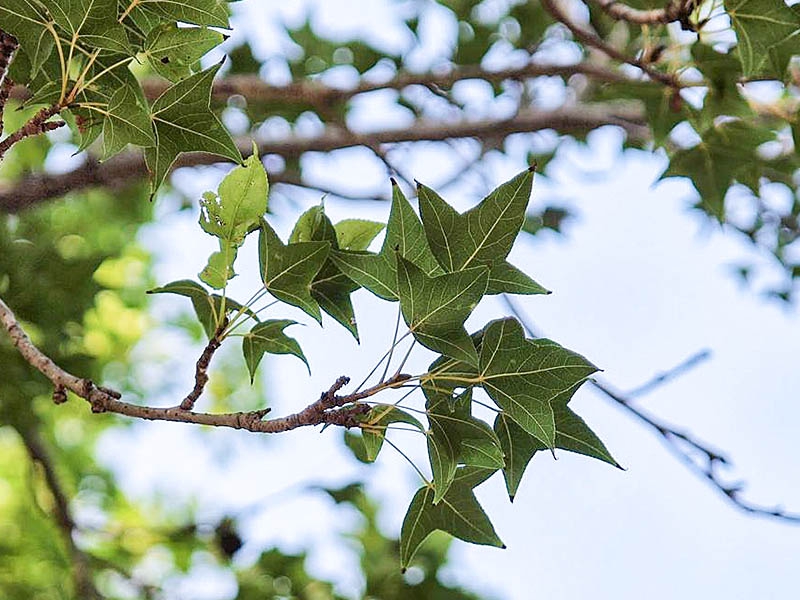
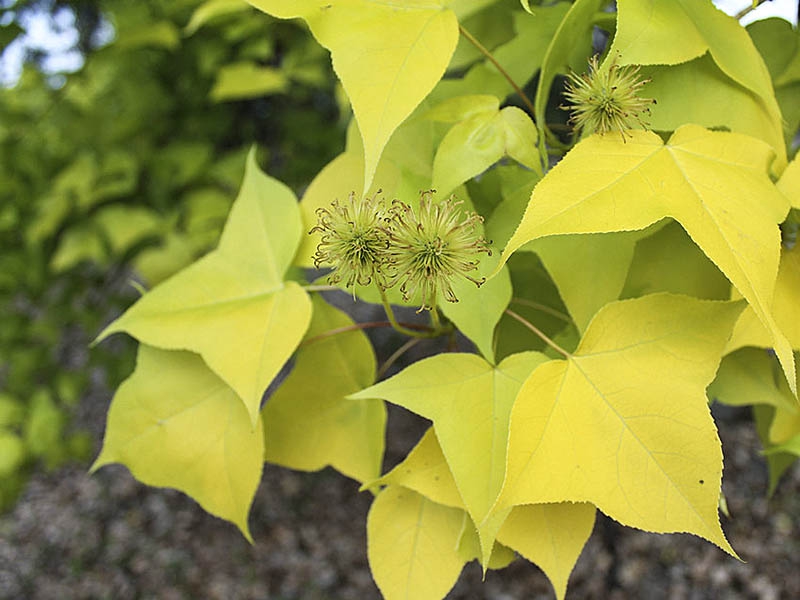
Liquidambar formosana Hance is a beautiful deciduous tree native to Asia. The following describes the growth characteristics, propagation methods, cultivation methods, garden uses, major pests and diseases, and control methods for this tree. - Growth Characteristics: - It typically grows to a height of 10 to 15 meters. - The leaves are palm-shaped and deeply lobed, turning a beautiful red or orange color in autumn. - The flowers are small and bloom around April or May, and the cone-shaped fruits mature in autumn. - Propagation Methods: - It is primarily propagated by seeds, but cuttings are also possible. - Seeds should be sown in early spring after being thoroughly dried. - Cuttings can be taken using summer branches. - Cultivation Methods: - It thrives in well-drained soil and sunny locations. - Be careful with watering in the early stages, and water at appropriate intervals as the plant grows. - You can promote growth by fertilizing regularly. - Use in the Garden: - The Korean zelkova is suitable for providing shade and adding color to the garden in the autumn. - It can be planted alone or arranged to harmonize with other trees. - Important Pests and Control Methods: - Pests and diseases such as leaf mold and aphids may occur on Korean zelkova. - Leaf mold can be prevented by spraying fungicides, while aphids are controlled using natural enemies or appropriate insecticides. If you manage Korean zelkova Formosa or Hanke with these characteristics in mind, they will grow healthily in your garden and provide a beautiful landscape.
Plant Family
Hamamelidaceae
Height
30~40m
Colors
green
Bloom Period
May
Water Needs
commonly
Exposure
Sunny
Freezing Resistance
-15°C
Three generations
Lipocarpha microcephala
American sweetgum 'Warplethdon'
Liquidambar styraciflua
'Worplesdon'