English
한국어
English
Español
中文
हिंदी
Home
News
Community
Dictionary
English
한국어
English
Español
中文
हिंदी
View list
hairy double-leaved orchid
Neottia nipponica
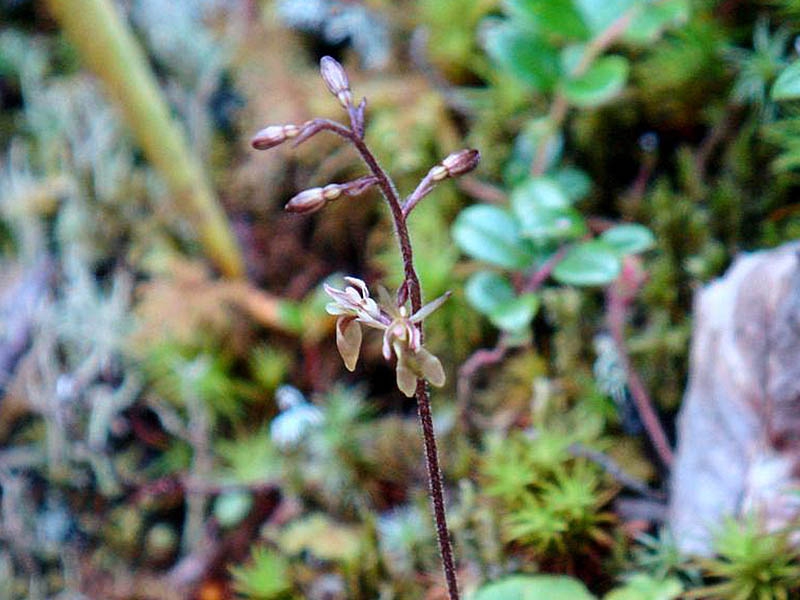
Neottia nipponica is an orchid native to regions such as Korea and Japan. Below are the main growth characteristics, propagation methods, cultivation methods, garden uses, and major pests and diseases and control methods for Neottia nipponica. Growth Characteristics - Growing Environment: It thrives primarily in moist, shady forests and prefers soil rich in humus. - Growth Cycle: It typically grows from spring to summer and flowers between summer and autumn. - Morphological Characteristics: It grows upright to a height of approximately 20–30 cm. The leaves consist of two oval leaflets arranged opposite each other, and small, pale yellow flowers bloom densely. Propagation Methods - Seed Propagation: Neottia nipponica primarily propagates by seeds in its natural state. It produces small seeds after flowering. - Division Propagation: Another method involves dividing the roots and leaves at an appropriate time for planting. Spring is generally the most suitable season. Cultivation Method - Soil: Prepare well-draining, humus-rich soil. Slightly acidic soil is suitable. - Environment: It is best to grow it in partial shade, avoiding direct sunlight, and maintain appropriate humidity. - Watering: Water thoroughly to prevent dryness, but proper drainage is important. - Fertilizer: It is recommended to apply an appropriate amount of fertilizer during periods of active growth. Using fertilizer specifically designed for orchids is recommended. Uses in the Garden - Landscaping: It is excellent as an accent plant in shaded flowerbeds. - Natural Gardens: When creating a natural-style garden, it can be planted alongside other shade-loving plants. Important Pests and Diseases & Control Methods - Diseases: Be careful of root rot caused by excessive moisture. Ensure thorough drainage management. - Pests: Aphids and ants may occur. - Control Methods: - Wash with eco-friendly soap or water, or use an insecticide suitable for orchids if the infestation is severe. - You can also utilize natural enemy insects for natural pest control. If properly cared for, the hairy divaricata will become a plant that exudes unique charm in the garden.
Plant Family
Apiaceae
Height
10~25cm
Colors
brown, green
Bloom Period
July~August
Water Needs
commonly
Exposure
semi-shaded area
Freezing Resistance
-20°C
Pinetorum
Listera pinetorum
Rich
Litchi chinensis