English
한국어
English
Español
中文
हिंदी
Home
News
Community
Dictionary
English
한국어
English
Español
中文
हिंदी
View list
Lithopes Leslie A
Lithops lesliei
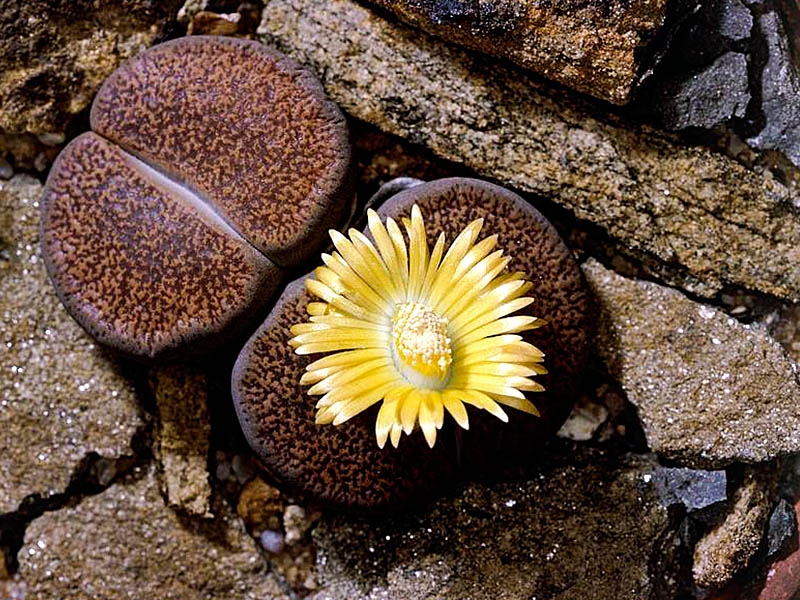
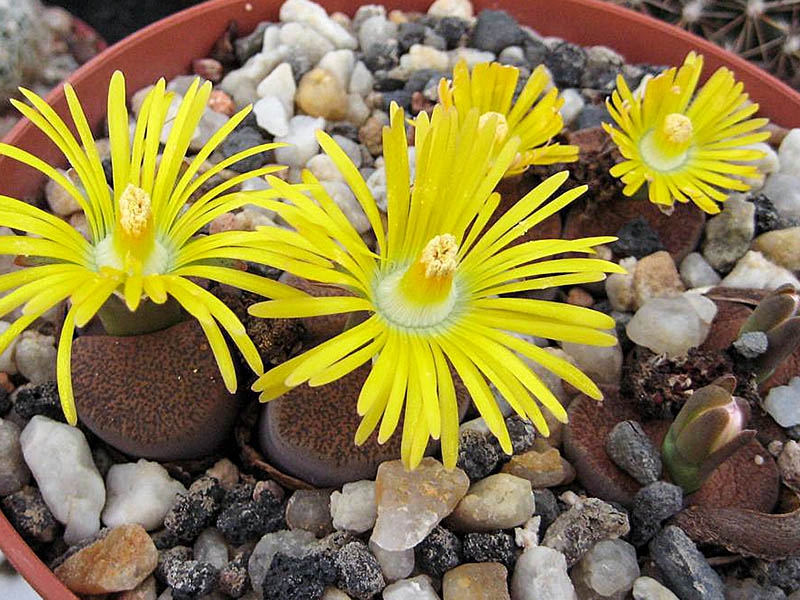
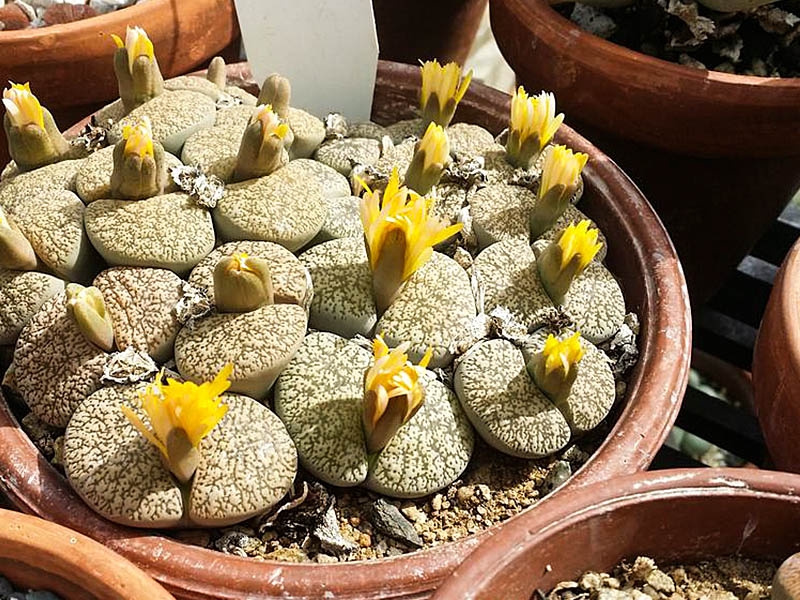
Lithops lesliei is a succulent plant nicknamed the "living stone" and is loved by many for its unique appearance and ecology. Below is information regarding the growth characteristics, propagation methods, cultivation methods, garden uses, and major pests and diseases and control methods for Lithops lesliei. Growth Characteristics - Growth Environment: Native to dry desert regions, Lithops prefers fast-draining soil and ample sunlight. - Temperature: They thrive in climates that are warm during the day and cool at night. The ideal temperature range is 18–24°C. - Water: They are very sensitive to overwatering, so watering should be limited to the late summer to early autumn, when they are not dormant. Propagation Methods - Seed Propagation: Lithops are primarily propagated by seeds. Seeds must be sown and kept at the appropriate temperature and humidity to germinate. Germination usually takes several weeks. - Propagation by Division: Mature plants can be propagated by division. Division must be performed with great care, and it is important to disinfect the cut surface with alcohol to prevent bacterial infection. Cultivation Method - Soil: Use well-draining desert soil; general succulent soil is also suitable. - Light: It requires at least 4 to 6 hours of strong direct sunlight per day, but some shading may be necessary if the sunlight is too intense. - Pot: It is important to choose a pot with drainage holes to avoid overwatering. Use in the Garden - Lithops are primarily grown indoors, but they can also be utilized in outdoor gardens for specialized cactus and succulent gardens. They make a great focal point in small rock gardens or container gardens. Important Pests and Control Methods - Pests and Diseases: They are generally resistant to pests and diseases, but they can be damaged by aphids or scale insects. - Control Methods: In the event of pests or diseases, physically remove them with an alcohol-soaked cotton swab in the early stages, or use professional insecticides if necessary. Since excessive moisture creates an environment where pests and diseases can occur, it is important to regulate watering. Please refer to the information above to successfully cultivate and manage Lithops reslie.
Plant Family
Pomegranate family
Height
3~4cm
Spread
3cm
Colors
yellow
Bloom Period
July to October
Water Needs
Bad
Exposure
Sunny
Freezing Resistance
-4°C
Lithofs Marmorata
Lithops marmorata
Lithofs Julie
Lithops julii