English
한국어
English
Español
中文
हिंदी
Home
News
Community
Dictionary
English
한국어
English
Español
中文
हिंदी
View list
Lithofs Julie
Lithops julii
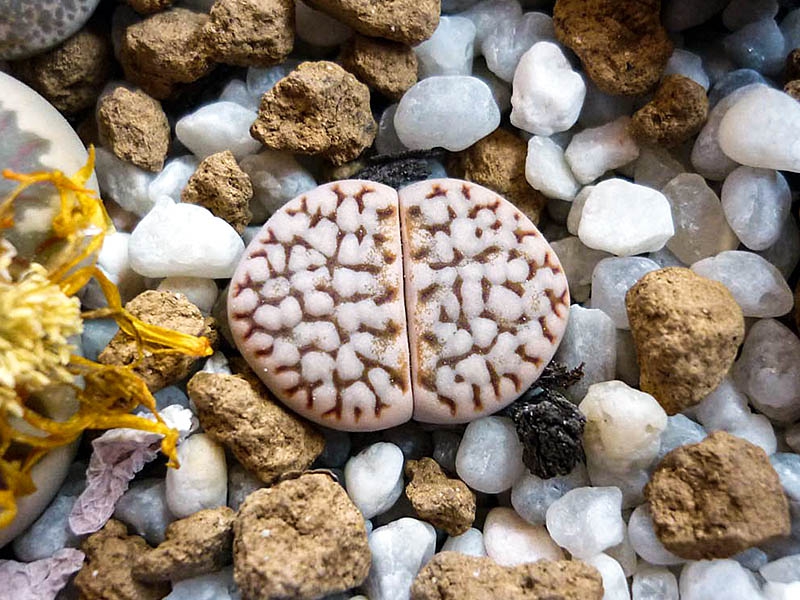
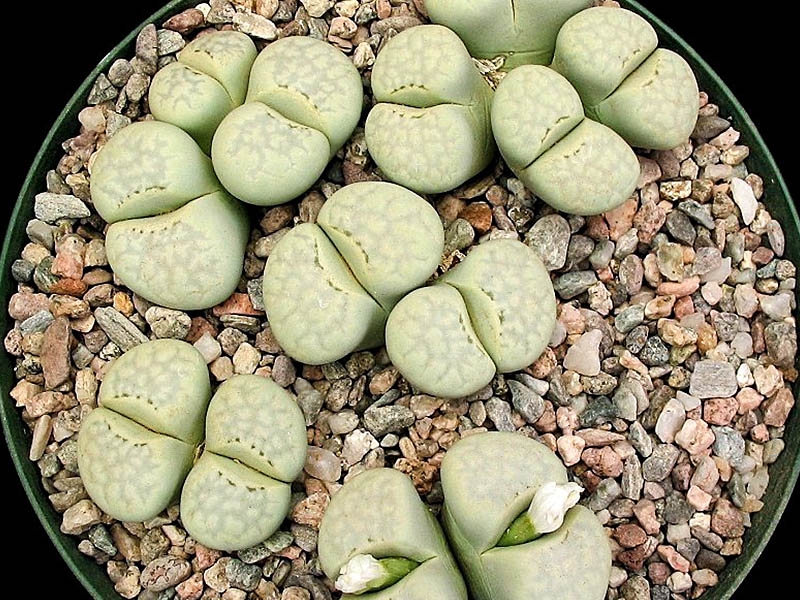
Lithops julii is a succulent plant famous for its unique form and beautiful patterns. The following is information regarding the growth characteristics, propagation methods, cultivation methods, garden uses, and important pests and diseases, as well as control methods for Lithops julii. Growth Characteristics - Form: Lithops features two thick leaves that face each other and are joined. These leaves camouflage themselves by resembling stones, providing protection in their natural environment. - Habitat: Native to South Africa, it has adapted to dry environments. - Growth: It grows primarily in spring and autumn, entering a dormant period during summer and winter. - Light: It prefers strong sunlight, but caution is required as exposure to too much direct sunlight can burn the leaves. Propagation Methods - Seeds: Propagation is possible via seeds, which is the most common method. It is recommended to sow seeds in spring or autumn. - Leaf Cuttings: Unlike common succulents, Lithops are difficult to propagate through leaf cuttings. Cultivation Method - Soil: Well-draining sandy soil is suitable, and a general succulent soil mixture can be used. - Watering: Reduce or stop watering during the dormant period when growth stops, and provide an appropriate amount during the growing season. Overwatering can cause root rot. - Temperature: While it prefers a warm environment, ensure it can tolerate low temperatures (5–15°C) during the winter. - Fertilizer: Apply diluted succulent fertilizer about once a month during the active growth season. Uses in the Garden - Ornamental: Thanks to its unique appearance, Lithops are suitable for indoor or veranda decoration when planted in pots. - Stone Garden: They can be arranged with other stones to create a natural landscape. Important Pests and Diseases & Control Methods - Pests and Diseases: They are generally resistant to pests and diseases, but excessive moisture can lead to fungal problems (e.g., root rot). - Control: It is important to maintain a well-ventilated environment and avoid overwatering. You may use antifungal agents if necessary. - Pests: Scale insects may appear, and spray insecticides can be used to prevent this. Lithops yulii is attractive in appearance, but it requires careful care. Please refer to the information above to care for it properly.
Plant Family
Pomegranate family
Height
2~3cm
Spread
1.5~2cm
Colors
white
Bloom Period
July to October
Water Needs
Bad
Exposure
Sunny
Freezing Resistance
-4°C
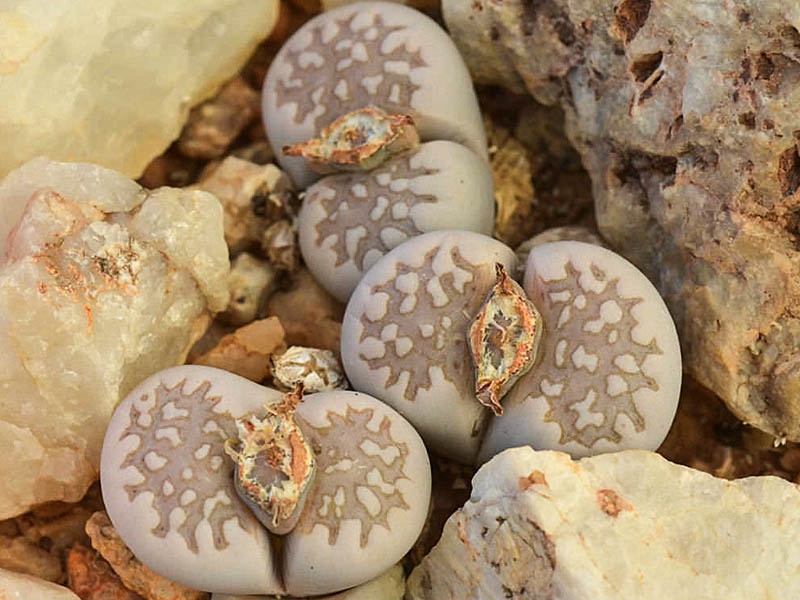
Lithopes Leslie A
Lithops lesliei
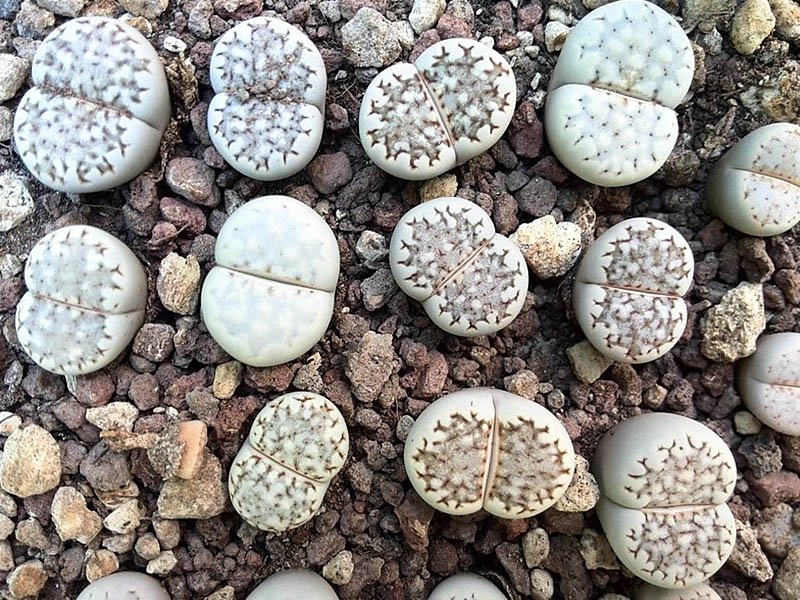
Lithophs Herey
Lithops herrei