English
한국어
English
Español
中文
हिंदी
Home
News
Community
Dictionary
English
한국어
English
Español
中文
हिंदी
View list
Lithophs Herey
Lithops herrei
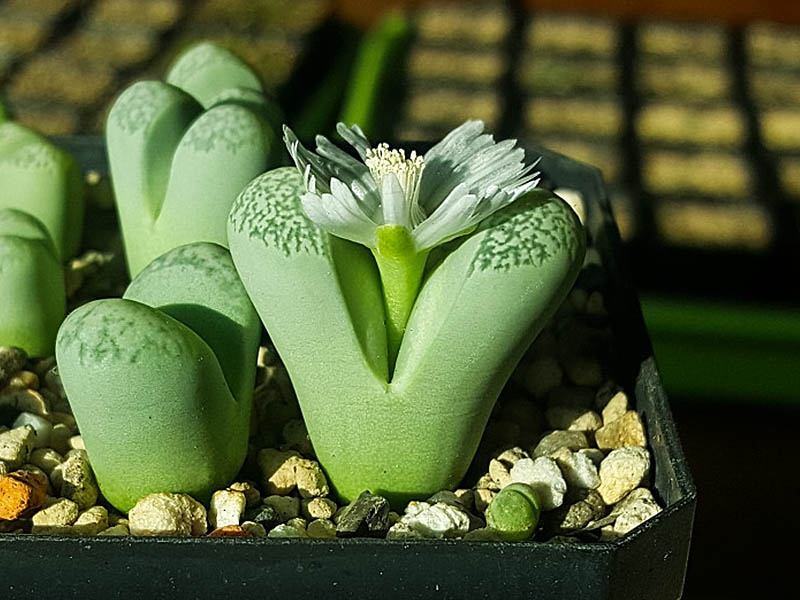
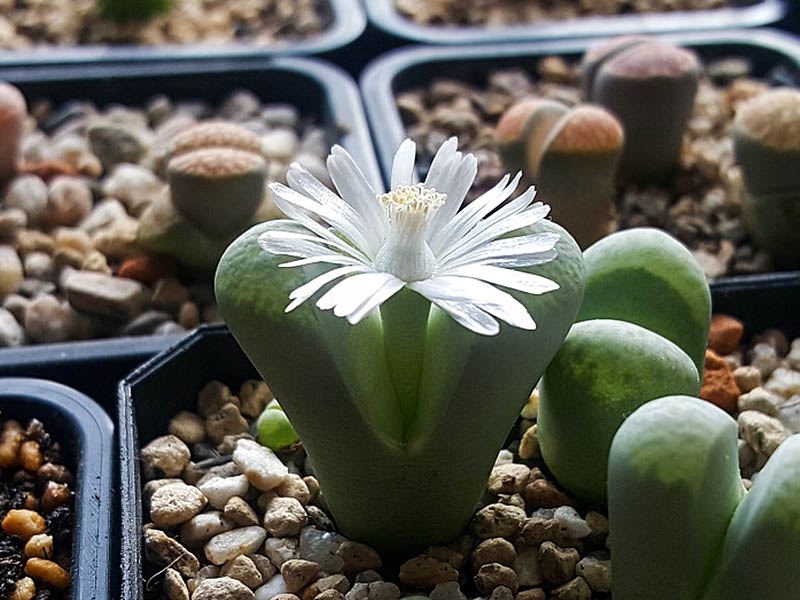
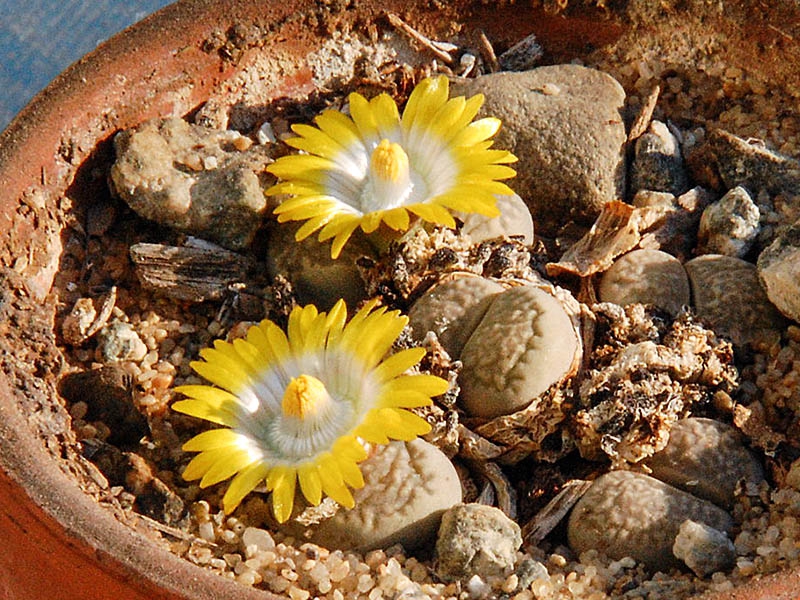
Lithops herrei is a succulent plant belonging to the Mesembryanthemum family. Native primarily to the arid regions of South Africa, it is also called a "living stone" due to its unique stone-like appearance. The following is information regarding the growth characteristics, propagation methods, cultivation methods, garden uses, and major pests and diseases, as well as control methods for Lithops herrei. - Growth Characteristics: - Environment: Lithops thrive in locations with ample sunlight and prefer dry environments. Generally, they require 4 to 6 hours of direct sunlight per day and grow in well-drained soil. - Growth Cycle: Lithops typically enter dormancy during the summer and grow from autumn through spring. - Watering: They are very sensitive to overwatering. Water should be given sparingly even during the growing season, and it is best to avoid watering almost entirely during the dormant period. - Propagation Methods: - Seeds: Propagation is primarily done by seeds, and it is recommended to sow seeds in the autumn. Germination requires a small amount of moisture, so care must be taken to ensure the soil is neither too dry nor too wet. - Offsets: Some varieties form offsets, which can be propagated by separating them. - Cultivation Method: - Soil: Well-draining soil mixed with sand and gravel is ideal. - Pot: Use a pot that is well-aerated and has good drainage. - Temperature: It dislikes cold, so it must be brought indoors during the winter, and the optimal temperature should be maintained between 10 and 25 degrees Celsius. - Use in the Garden: - It can add a unique focal point when placed in a natural rock garden or cactus garden. It can create a beautiful harmony when combined with other succulents. - Major Pests and Diseases and Control Methods: - Diseases: Root rot caused by overwatering is the most common problem. To prevent this, proper watering and drainage are important; if root rot occurs, the infected parts must be removed, and the plant should be managed in dry conditions. - Pests: Pests such as aphids and scale insects may occur. To control them, wipe the leaves with soapy water or use a suitable insecticide if necessary. Although Lithops are somewhat difficult to care for, they are highly attractive as interior plants due to their unique appearance and stunning color variations. With proper care and an appropriate environment, they can be grown healthily for a long time.
Plant Family
Pomegranate family
Height
1~5cm
Spread
2~3cm
Colors
yellow
Bloom Period
September to November
Water Needs
Bad
Exposure
Sunny
Freezing Resistance
-4°C
Lithofs Julie
Lithops julii
Lithopes Harley
Lithops hallii