English
한국어
English
Español
中文
हिंदी
Home
News
Community
Dictionary
English
한국어
English
Español
中文
हिंदी
View list
Honeysuckle
Lonicera praeflorens
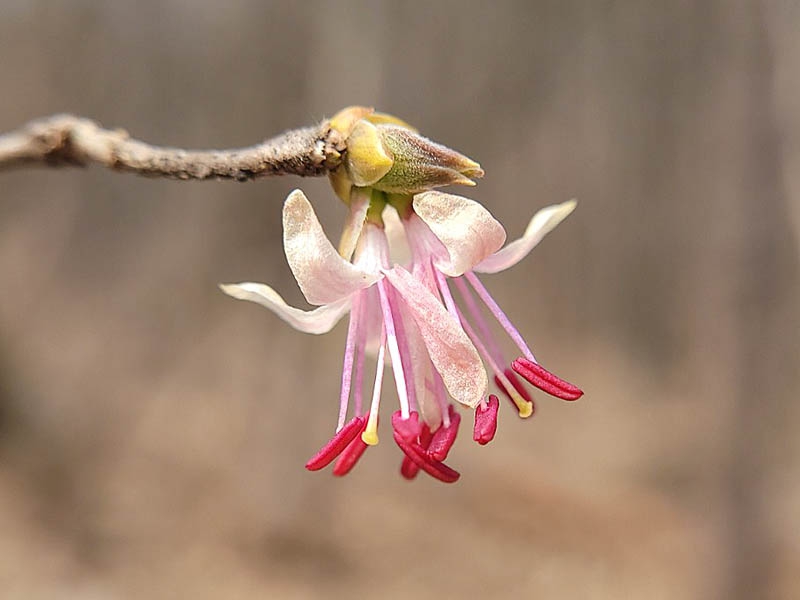
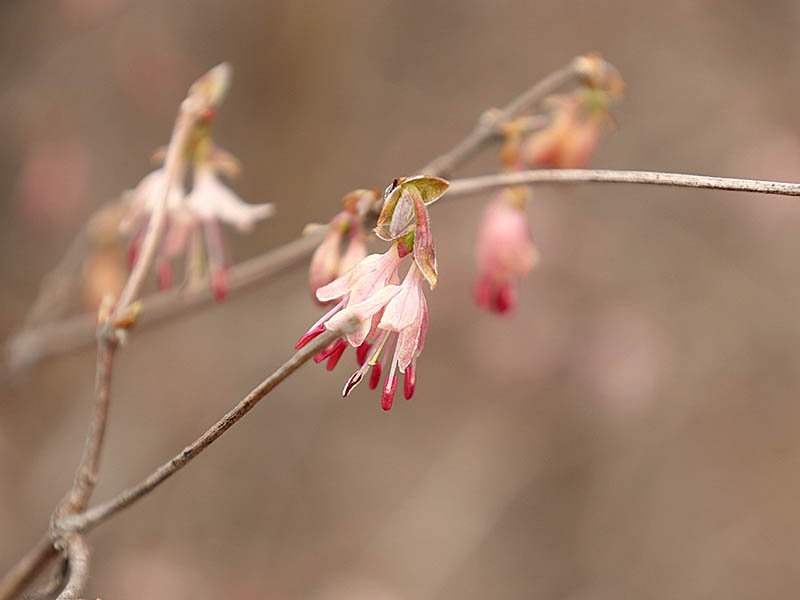
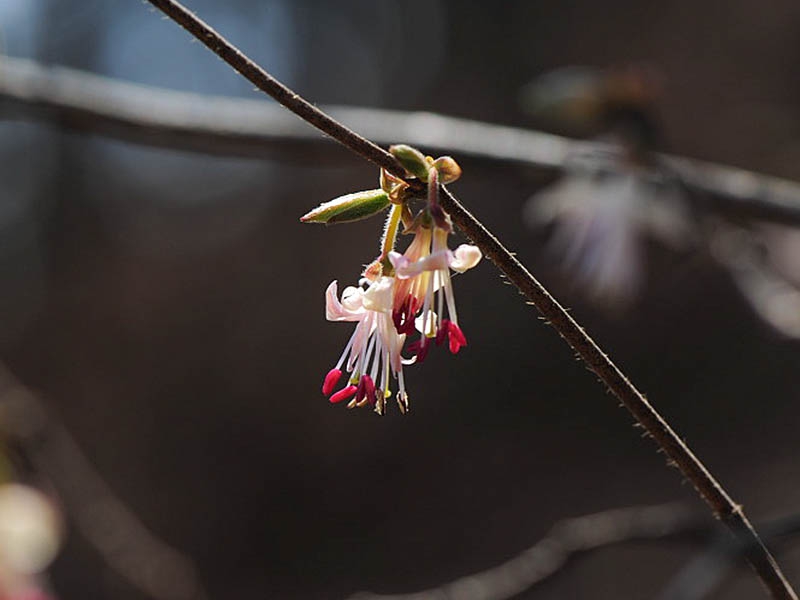
Lonicera praeflorens is a relatively easy-to-care-for plant that can be utilized in various ways in the garden. The following is information regarding this plant's growth characteristics, propagation methods, cultivation methods, garden uses, and major pests and diseases and control methods. Growth Characteristics - Environment: Lonicera praeflorens prefers partial shade but grows well in sunny locations. - Soil: It prefers fertile, well-drained soil and adapts to soils ranging from acidic to slightly alkaline. - Cold Hardiness: It is resistant to cold and can survive even at low winter temperatures. - Growth Rate: It grows relatively quickly, and mature trees can typically reach up to 3–4 meters in height. Propagation Methods - Seeds: Propagation by seeds is possible, but it is not commonly used due to a low germination rate. - Cuttings: Cut a branch, place it in water, and transplant it into soil once roots have formed. Spring and autumn are the appropriate times. - Division: This method involves dividing the roots and can be attempted in spring or autumn. Cultivation Methods - Planting: It is best to plant in spring or autumn. Before planting, dig deep into the soil and mix in plenty of fertilizer. - Watering: Young trees require regular watering, but mature trees are relatively resistant to drought. - Fertilization: It is best to fertilize during the growing season in spring and summer. Compound fertilizers containing nitrogen, phosphorus, and potassium are recommended. - Pruning: Light pruning to remove deformed or diseased branches is best done in spring. Uses in the Garden - Lonicera japonica is popular as an ornamental plant in gardens due to its beautiful flowers and fragrance. - As a vining plant, it is useful for decorating fences or arches. - It harmonizes well with other plants, making it suitable for mixed landscape planting. Important Pests and Control Methods - Diseases: Leaf spot or root rot may occur. To minimize damage, maintain a well-ventilated and well-drained environment. - Pests: Aphids and moth larvae may occur. Remove larvae immediately upon discovery, and use insecticides if necessary. - Control Methods: Observe the plant regularly as a preventive measure, and implement appropriate chemical or biological control if problems arise. Sophora japonica (Sophora japonica praeflorense) is a plant loved by many gardeners for its beauty and hardiness. With proper care and preventive measures, it can be kept healthy for a long time.
Plant Family
Honeysuckle
Height
1~2m
Colors
White, red, purple
Bloom Period
March to April
Water Needs
commonly
Exposure
semi-shaded area
Freezing Resistance
-30°C
Honggoebulnamu
Lonicera maximowiczii
honeysuckle
Lonicera maackii