English
한국어
English
Español
中文
हिंदी
Home
News
Community
Dictionary
English
한국어
English
Español
中文
हिंदी
View list
Dogwood Tree Sugar Mountain Ice Bear
Lonicera caerulea
Sugar Mountain Eisbar
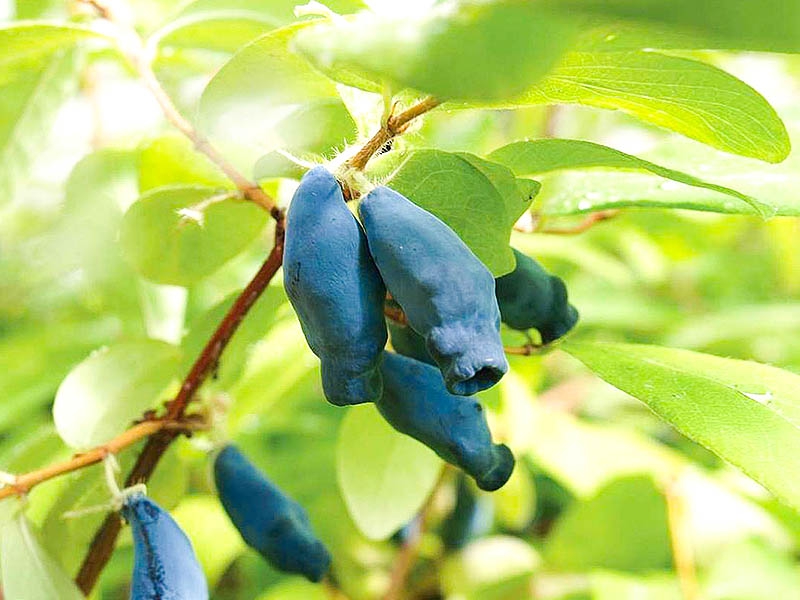
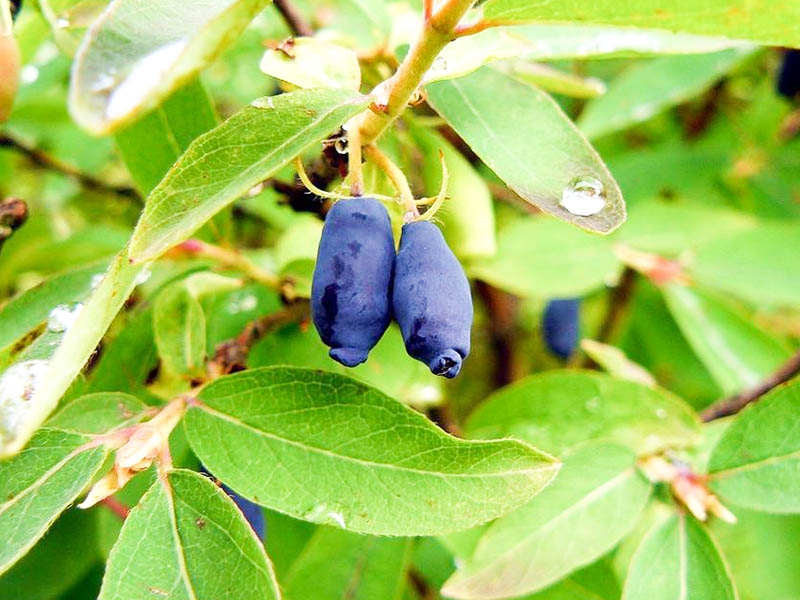
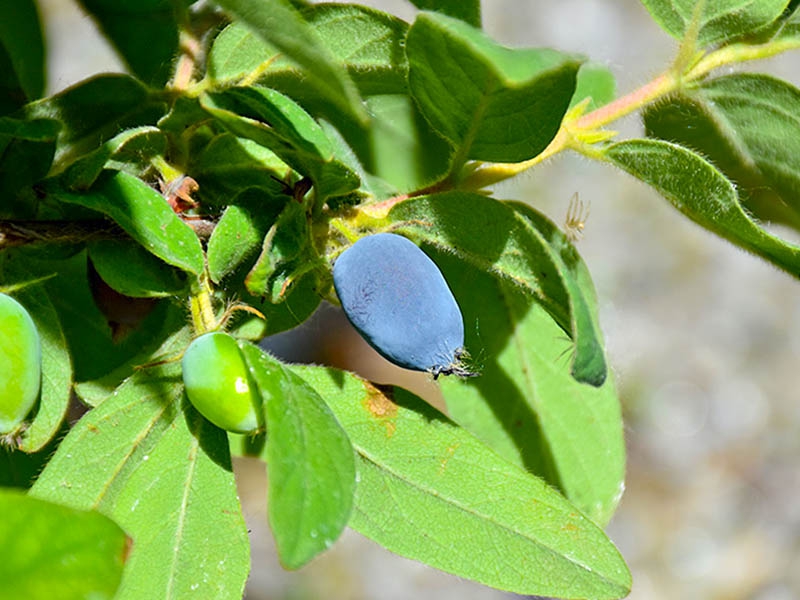
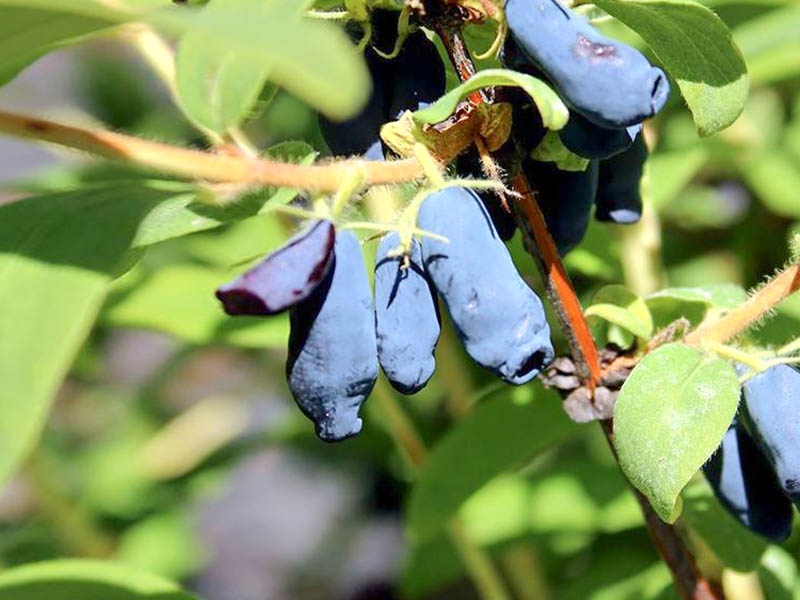
Lonicera caerulea 'Sugar Mountain Eisbar' is a plant commonly known in Korea as the 'Blueberry Honeyberry' and is characterized by its ability to thrive even at relatively low temperatures. The following is information regarding this plant's growth characteristics, propagation methods, cultivation methods, garden uses, and major pests and diseases and control methods. Growth Characteristics - Temperature Adaptability: It grows well even in cool climates, and flowering and fruiting occur from spring to early summer. - Soil Conditions: It thrives in well-drained soil and prefers a neutral to slightly acidic pH. - Light Conditions: It grows best in sunny locations but can survive in partially shaded areas. - Growth Form: It is a perennial shrub that can grow up to approximately 1.5 meters in height. Propagation Methods - Seed Propagation: Seeds can germinate if sown in the spring. However, germination rates may be low, and seedlings may differ from the parent plants. - Cuttings: Cuttings taken in the summer are a more effective method of propagation. - Division: It is also possible to divide and transplant the mother plant in late winter or early spring. Cultivation Methods - Planting: Select well-draining soil and plant in early spring or autumn. - Watering: Unless it is particularly dry, it grows well with relatively little watering. However, sufficient water is required during the fruit production period. - Fertilizing: Applying slow-release fertilizer in the spring is helpful. - Pruning: After harvesting fruit in late winter or early spring, remove dead or weak branches to improve ventilation and light penetration. Uses in the Garden - Ornamental: It is also suitable for ornamental purposes as both the flowers and fruit are beautiful. - Hedges: It can be used to create hedges of appropriate height and density. - Fruit: Fresh fruit can be eaten raw or used to make jam, jelly, wine, etc. Major Pests and Diseases and Control Methods - Diseases: Although relatively resistant to disease, gray mold may occur in overly humid environments. Prevent this by improving ventilation and maintaining appropriate spacing. - Pests: May be damaged by aphids and moths. If necessary, utilize natural enemies or apply appropriate insecticides. - Control Methods: Early detection through regular observation is crucial, and organic control methods should be prioritized. Chemical methods may be used if necessary, but usage guidelines must be strictly followed. Based on this information, you can effectively manage and utilize the Sugar Mountain Ice Bear.
Plant Family
Honeysuckle
Height
150~180cm
Spread
150~180cm
Colors
sable
Bloom Period
March to June
Water Needs
commonly
Exposure
Sunny
Freezing Resistance
-30°C
Honeysuckle 'Lemon Beauty'
Lonicera ligustrina
'Lemon Beauty'
Sugar Mountain Blue
Lonicera caerulea
Sugar Mountain Blue