English
한국어
English
Español
中文
हिंदी
Home
News
Community
Dictionary
English
한국어
English
Español
中文
हिंदी
View list
Dutch Indong 'Centation'
Lonicera periclymenum
'Scentsation'
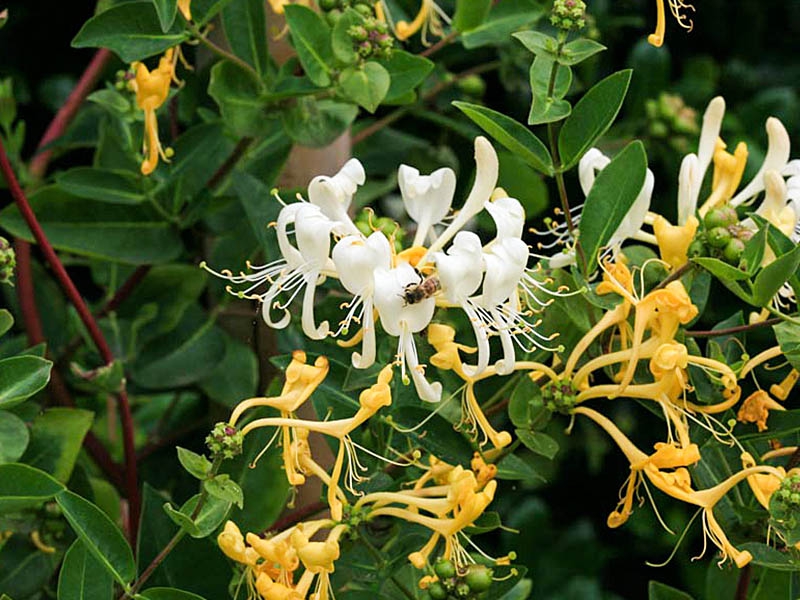
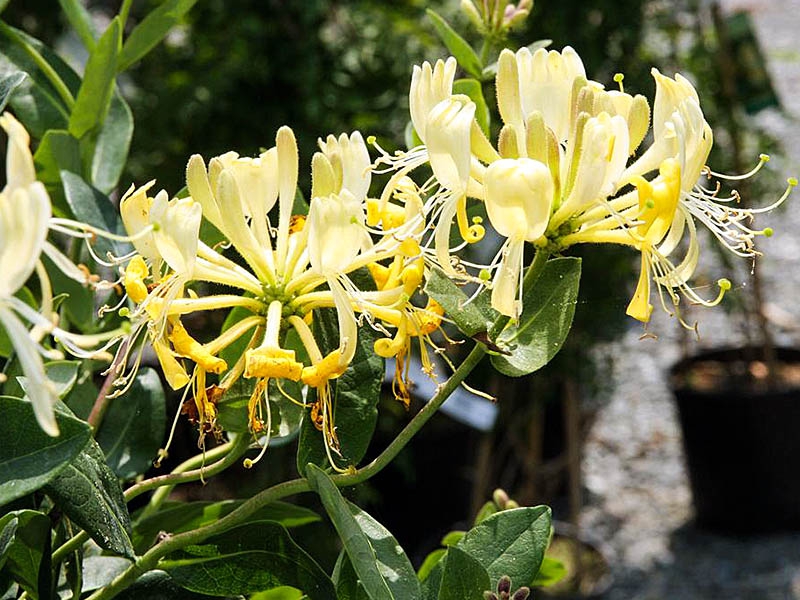
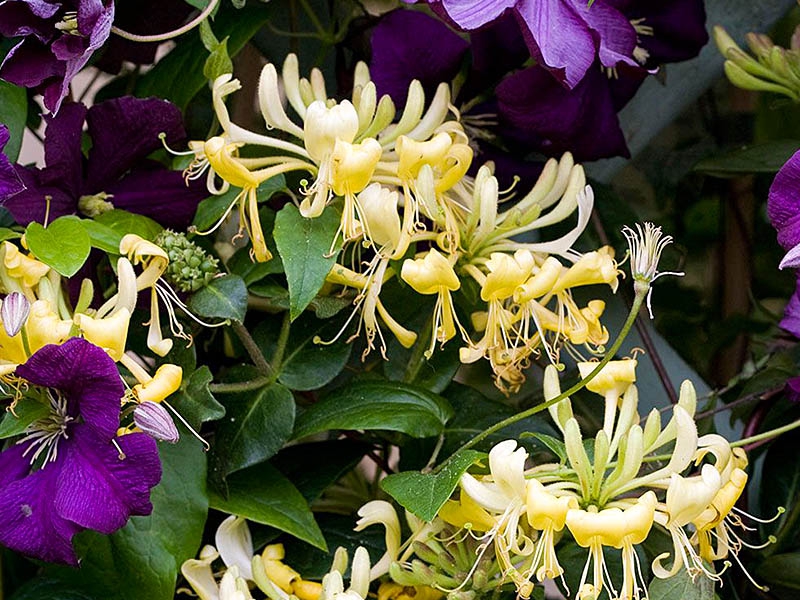
Dutch Honeysuckle 'Scentsation' (Lonicera periclymenum 'Scentsation') is a vine well-known for its beautiful flowers and strong fragrance. The following is a description of this plant's key characteristics and cultivation methods. Growth Characteristics - Growth Environment: Dutch Honeysuckle thrives in sunny or partial shade. It prefers well-drained soil and adapts well to various soil conditions. - Size: It is a vining plant that can reach a height and width of approximately 3 to 6 meters upon maturity. It grows well vertically when supported by stakes. - Flowering Period: Flowers typically bloom from late spring to early summer, changing from white to yellow. Its strong fragrance adds a delightful scent to the garden. Propagation Methods - Cuttings: It can be propagated by cutting healthy stems in the spring or summer. Cut a stem about 10 to 15 cm in length, remove the lower leaves, and plant it in potting soil to encourage rooting. - Seed Propagation: Seeds can be harvested from late summer to autumn and germinated indoors. Lightly cover with soil and maintain moisture, and sprouts will emerge in the spring. Cultivation Methods - Use of Supports: As it is a vining plant, provide supports such as fences, arches, or trellises to encourage vertical growth. - Watering: Regular watering is required initially, but once well-established, it can tolerate relatively dry conditions. - Fertilization: Applying general garden fertilizer in the spring can promote growth. Garden Uses - Ornamental: It is widely used for decorative purposes, such as covering arches or fences. Its strong fragrance makes it an excellent focal point for a garden. - Ecological Role: Its ability to attract bees and birds makes it useful for ecological gardens. Important Pests and Control Methods - Diseases: Fungal diseases and powdery mildew may occur. To prevent these diseases, plant in a well-ventilated area and avoid excessive moisture. - Pests: Pests such as aphids and moths can cause problems. To prevent this, use pesticides regularly and remove them if necessary. Control density through continuous garden maintenance. The Dutch honeysuckle 'Scentation' can become a beautiful and fragrant landscaping element when provided with proper care and environment.
Plant Family
Honeysuckle
Height
2.4~3m
Spread
150~180cm
Colors
yellow
Bloom Period
June to August
Water Needs
commonly
Exposure
Sunny
Freezing Resistance
-30°C
Boxwood Pilea
Lonicera pileata
Dongcheong honeysuckle 'Red Tips'
Lonicera nitida
'Red Tips'