English
한국어
English
Español
中文
हिंदी
Home
News
Community
Dictionary
English
한국어
English
Español
中文
हिंदी
View list
Eye knotweed
Ludwigia ovalis
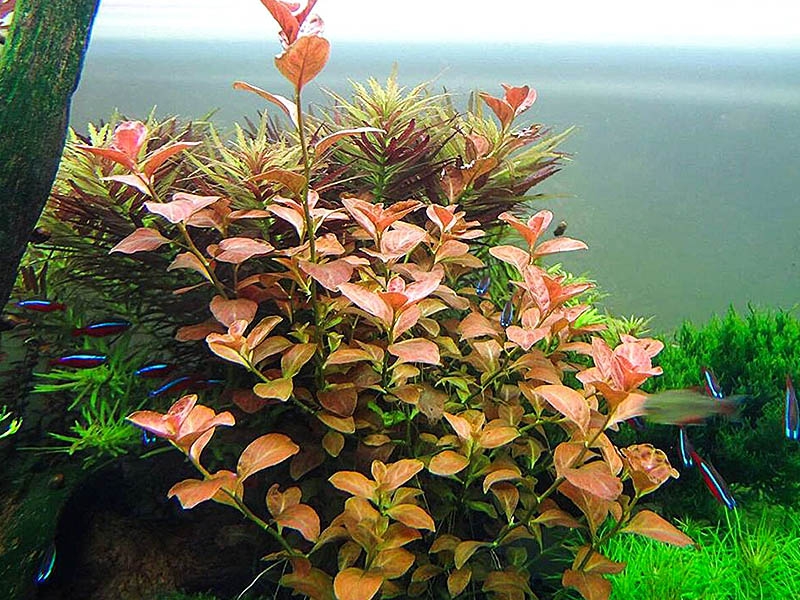
Ludwigia ovalis is a perennial aquatic plant belonging to the Canna family and is widely used as an ornamental plant. The following is information regarding the plant's main characteristics, cultivation methods, and pest and disease control methods. Growth Characteristics - Environmental Requirements: It prefers humid environments and requires moderate sunlight and shade. It grows well in water or moist soil. - Temperature: It exhibits optimal growth at temperatures of approximately 20–28°C and is sensitive to cold. - Growth Rate: It grows relatively quickly, and periodic pruning may be necessary. Propagation Methods - Cuttings: The most common method involves cutting a stem and placing it in water or planting it in moist soil to encourage rooting. - Seeds: Propagation is also possible via seeds, but this may take longer than cuttings. Cultivation Methods - Soil: It thrives in well-drained soil, and a mixed soil containing high-quality compost is ideal. - Watering: Water frequently to keep the soil consistently moist. - Fertilization: It is recommended to apply liquid fertilizer during the growing season. Uses in the Garden - As an ornamental aquatic plant, it is suitable for planting in ponds or aquariums and can also be utilized in waterside gardens. - It is primarily planted along waterfronts to enhance the landscape. Important Pests and Diseases & Control Methods - Diseases: Be careful of root rot. To prevent this, it is important to avoid overwatering and maintain good drainage. - Pests: Aphids and scale insects may occur; these can be controlled using eco-friendly insecticides or by utilizing natural predators. This plant is useful for beautifying waterside environments and can grow healthily through periodic care and the creation of a suitable environment.
Plant Family
Onagraceae
Height
20∼40cm
Colors
yellow
Bloom Period
July to October
Water Needs
well
Exposure
Sunny
Freezing Resistance
-5°C
Prostrata
Ludwigia prostrata
Sedioides
Ludwigia sedioides