English
한국어
English
Español
中文
हिंदी
Home
News
Community
Dictionary
English
한국어
English
Español
中文
हिंदी
View list
Loofah (Sweet pumpkin) Akutangulla
Luffa acutangula
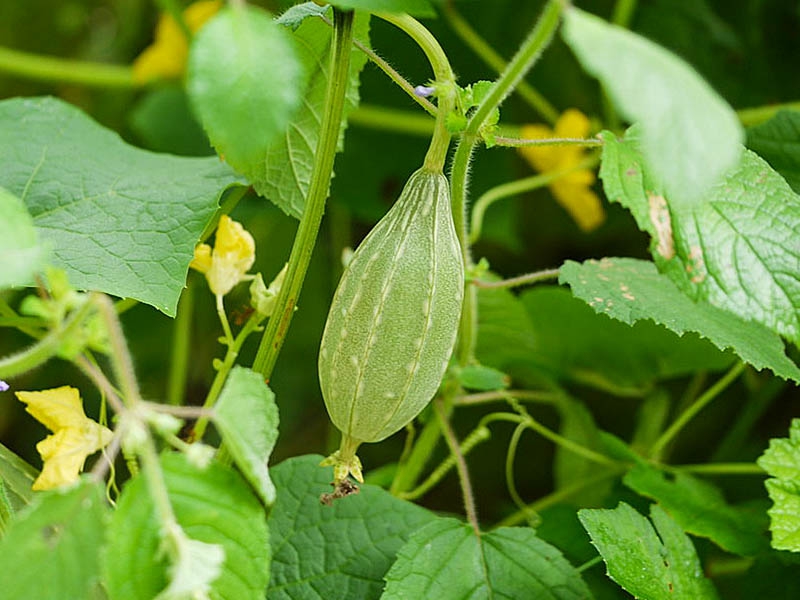
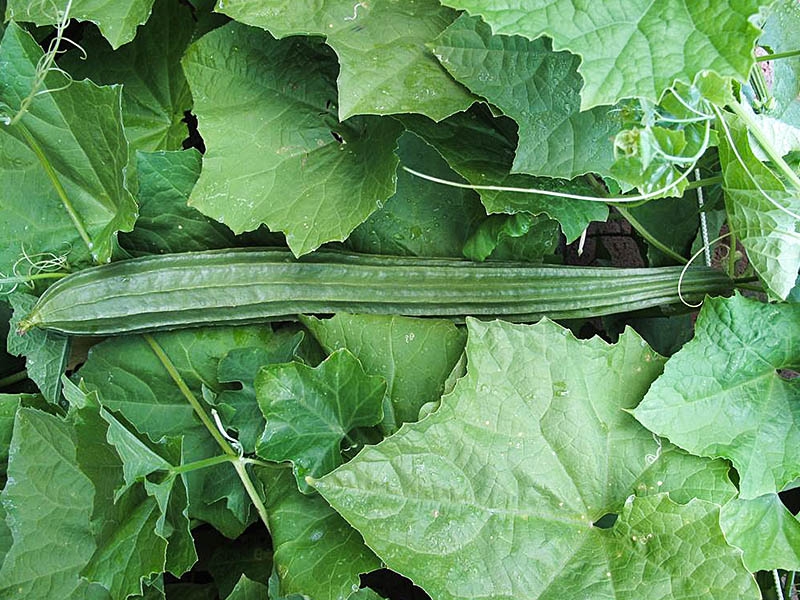
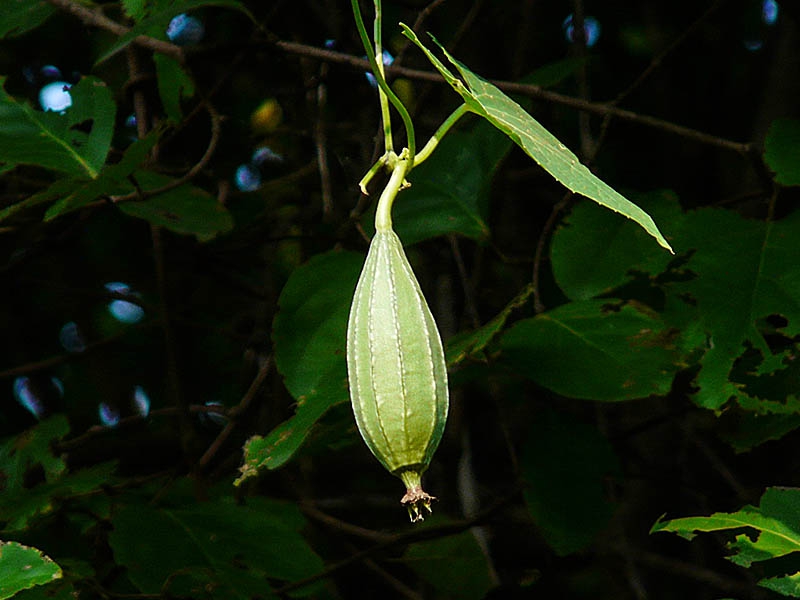
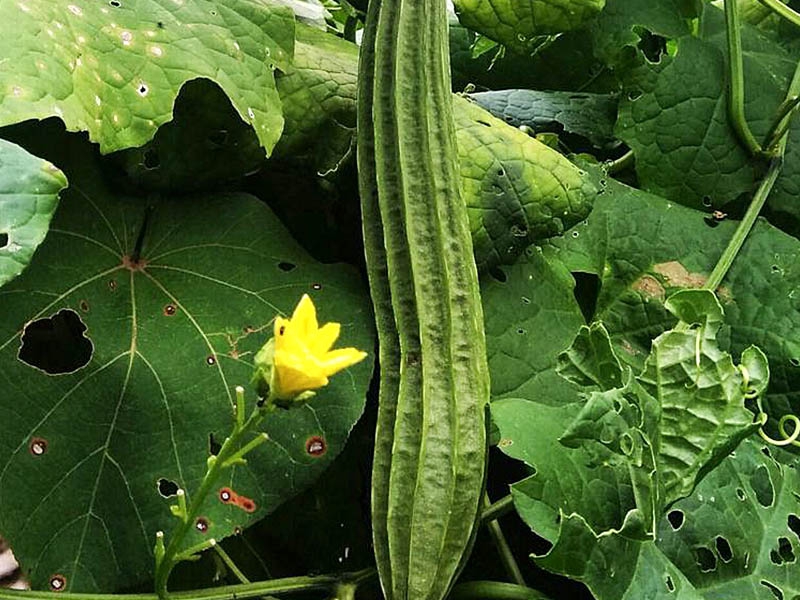
Luffa acutangula (also known as the Japanese squash) is a vining plant belonging to the Cucurbitaceae family and is primarily cultivated in tropical and subtropical regions. The following is information regarding the growth characteristics, propagation and cultivation methods, garden uses, and major pests and diseases, as well as control methods. Growth Characteristics - Environmental Conditions: Luffa prefers a warm and humid climate. The optimal growth temperature is 20–30°C, and it thrives in well-drained soil. - Growth Pattern: As a vining plant, it can grow vertically if supported by sufficient support. It typically grows to a height of 2–5 meters. - Leaves and Flowers: The leaves are large and palm-shaped, and the flowers bloom in yellow. Propagation Methods - Seed Propagation: It is best to sow seeds in late spring. Soaking the seeds in a small amount of water before sowing can promote germination. - Germination Conditions: To increase the germination rate, it is important to maintain a temperature of 25°C or higher and adequate moisture. Cultivation Methods - Soil Preparation: It thrives in nutrient-rich soil. It is recommended to mix compost or fertilizer into the soil in advance. - Watering: Since it grows in a well-drained environment, avoid overwatering; watering when the soil dries out is appropriate. - Support Installation: Install supports to allow the vines to grow well. These supports facilitate harvesting and management. Use in the Garden - Environment Creation: Loofah can be utilized as a vine that provides shade, enhancing the beauty of the garden landscape. - Harvesting and Uses: The fruit is primarily used in cooking, and ripe fruit can be used as loofah sponges, making it useful for practical purposes as well. Important Pests and Diseases & Control Methods - Rust: It starts with yellow spots on the leaves, and if it worsens, the leaves dry up and die. To prevent this, it is recommended to use fungicides periodically or select disease-resistant varieties. - Aphids: They damage leaves and stems and inhibit plant growth. Control them by utilizing natural enemies or appropriate pesticides. - Fly and Moth Larvae: It is common for them to bore holes in fruit. Remove larvae immediately upon sighting, and using pheromone traps is effective. Scrubbers are relatively easy to care for and can be used for various purposes, making them a suitable plant for garden cultivation. Establishing appropriate countermeasures against various pests and diseases will help maintain a healthy plant.
Plant Family
Cucurbitus
Height
60~90cm
Colors
yellow
Bloom Period
June to August
Water Needs
commonly
Exposure
Sunny
Freezing Resistance
-2°C
loofah gourd
Luffa cylindrica
Ruma Apicurata Apiculata
Luma apiculata