English
한국어
English
Español
中文
हिंदी
Home
News
Community
Dictionary
English
한국어
English
Español
中文
हिंदी
View list
Lunaria Anua
Lunaria annua
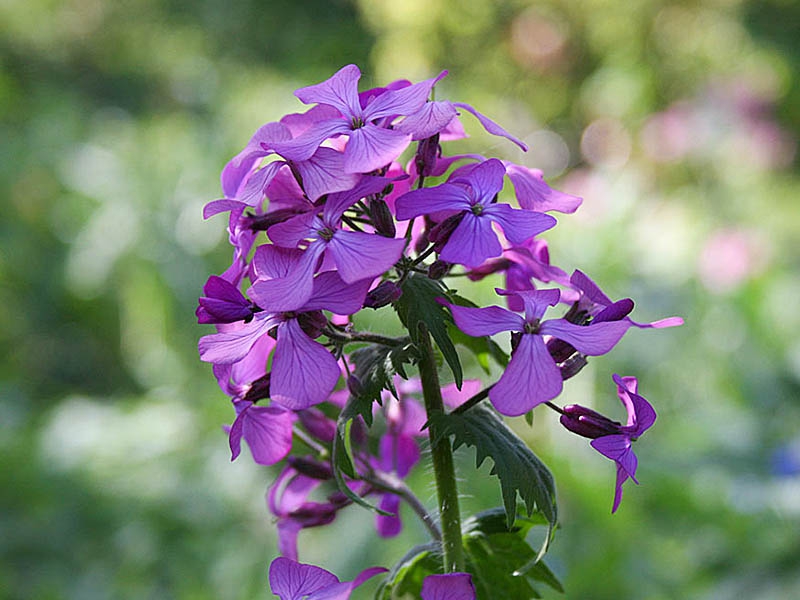
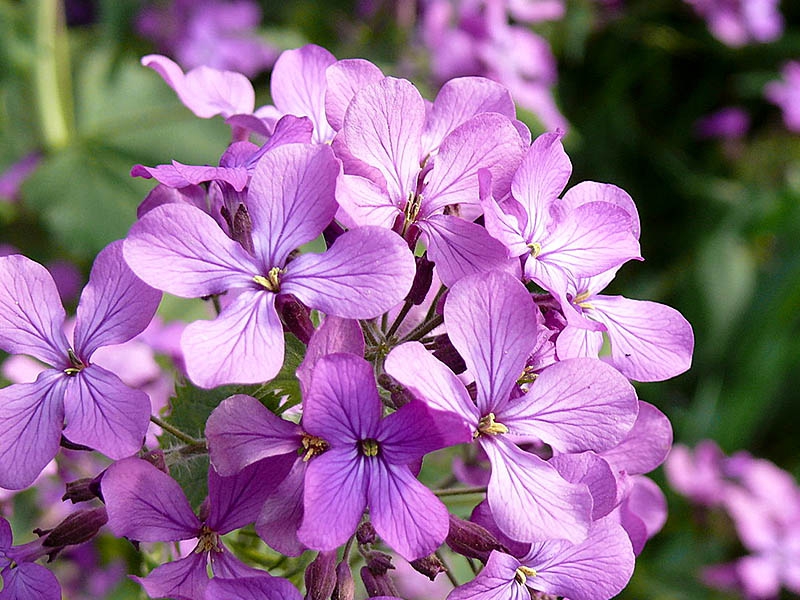
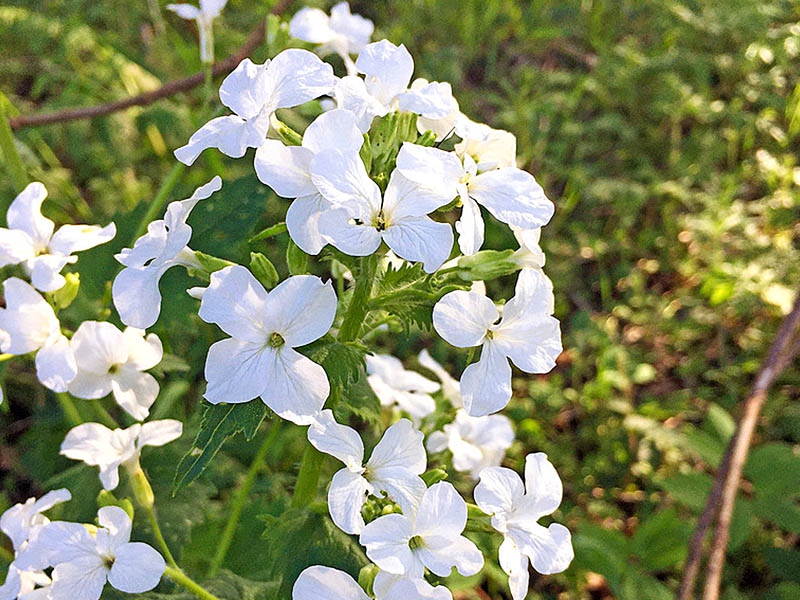
Lunaria annua is a biennial plant belonging to the Brassicaceae family, commonly known as the 'Dollar Plant' or 'Silver Dollar Plant'. The following outlines the growth characteristics, propagation methods, cultivation techniques, garden uses, and major pests and diseases, as well as control methods for Lunaria annua. Growth Characteristics - Leaves and Stems: The leaves are heart-shaped with serrated edges. The stems grow to a height of approximately 60–90 cm and grow upright. - Flowers: It typically blooms in purple, pink, or white from spring to early summer. - Fruit: The fruit is a flat, circular, transparent membrane containing the seeds. Propagation Methods - Seeds: Lunaria annua propagates by seeds. Seeds should be sown in late summer in a place away from direct sunlight and germinate the following spring. - Transplanting: Transplanting is possible, but care must be taken to avoid damaging the roots. Cultivation Methods - Soil: Prefers well-drained, fertile soil. - Sunlight: Grows well in partial shade, but flowering is difficult in complete shade. - Watering: Maintaining adequate moisture is important. Excessive moisture can cause root rot. Garden Uses - Ornamental: Primarily used for decoration due to the unique appearance of the flowers and fruit. - Dried Arrangements: The fruit retains its shape and color for a long time even after drying, making it suitable for decorative purposes. Important Pests and Control Methods - Powdery Mildew: Can be prevented by avoiding overwatering and ensuring good ventilation in the surrounding area. - Pests: Aphids can be a problem and can be effectively controlled using eco-friendly soap. Although Lunaria Annua is a relatively easy plant to care for, it can be grown healthily with fertile soil and proper moisture management.
Plant Family
Cruciferae
Height
30~90cm
Colors
White, pink, purple
Bloom Period
April~May
Water Needs
commonly
Exposure
Sunny
Freezing Resistance
-15°C
Ruma Apicurata Apiculata
Luma apiculata
Lunaria Rediviva
Lunaria rediviva