English
한국어
English
Español
中文
हिंदी
Home
News
Community
Dictionary
English
한국어
English
Español
中文
हिंदी
View list
Perennial lupinus
Lupinus perennis
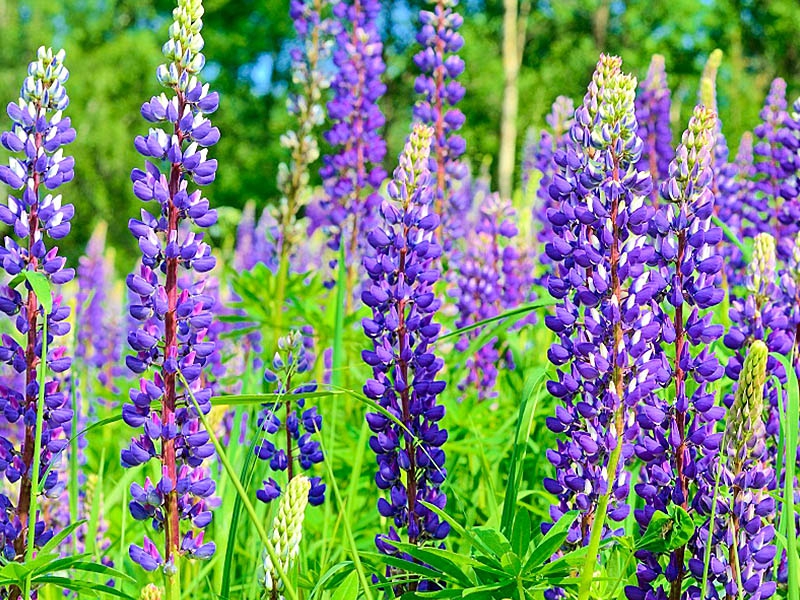
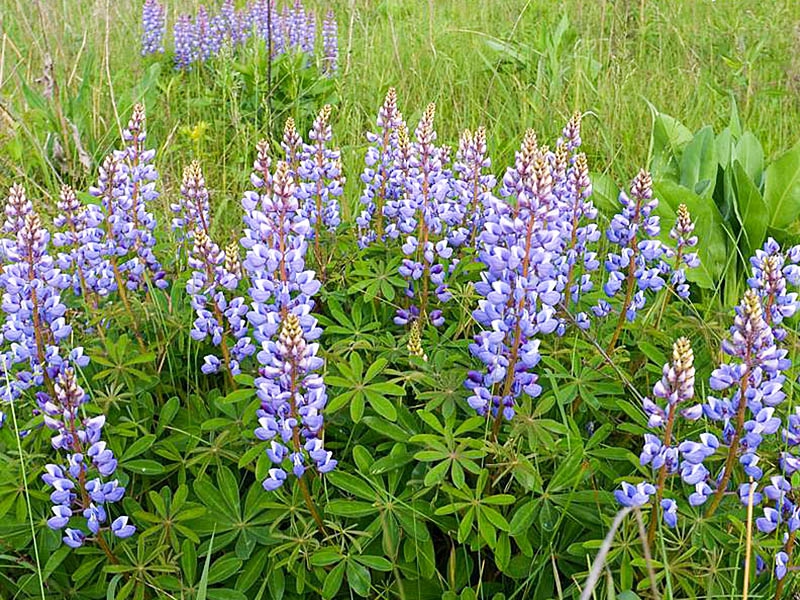
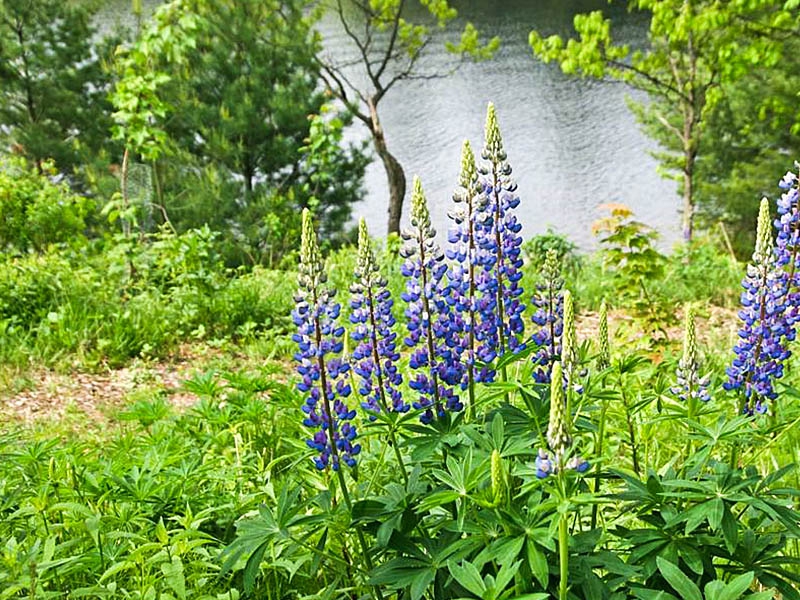
Lupinus perennis is a perennial herbaceous plant native primarily to North America. It is a popular garden plant due to its beautiful flowers and unique leaf shape. Below is information regarding the growth characteristics, propagation methods, cultivation techniques, garden uses, and important pests and control methods for Lupinus perennis. Growth Characteristics - Environment: It prefers sunny locations but can grow in partial shade. It requires well-drained soil. - Height: It typically grows to a height of 30 to 60 cm. - Flowers: Flowers in various colors such as purple, blue, and pink bloom in a conical shape, usually from spring to early summer. - Leaves: They are compound leaves with serrated edges. Propagation Methods - Seed Propagation: This is the most common method of propagation; seeds can be sown directly outdoors in the spring or germinated indoors and then transplanted. Soaking seeds in water for about 24 hours before sowing increases the germination rate. - Root Division: Although less common, this method allows for propagation by dividing root clumps in early spring or late autumn. Cultivation Methods - Soil: Well-drained, slightly acidic or neutral soil is ideal. - Watering: It does not need to be watered very frequently, but overwatering should be avoided. - Fertilizer: It does not require high fertilizer requirements; if necessary, use a slow-release all-purpose fertilizer in the spring. - Care: Remove flower stalks after the flowers have withered to conserve the plant's energy. Garden Uses - Flowerbed Placement: Plant it alongside other flowers to create a vibrant color contrast. - Naturalistic Gardens: It pairs well with natural layouts and is used as a plant to attract butterflies and bees. Important Pests and Control Methods - Diseases: Fungal diseases can occur in hot and humid environments. To prevent this, ensure good ventilation and avoid overwatering. - Pests: Aphids, snails, etc. may occur. - Control Methods: Using organic insecticides or removing them by hand is an effective eco-friendly method. If you manage them properly by considering this information, Lupinus perenis will grow beautifully and healthily, adding even more charm to your garden.
Plant Family
legumes
Height
30~60cm
Spread
25~60cm
Colors
White, purple, magenta, pink
Bloom Period
May~June
Water Needs
commonly
Exposure
Sunny
Freezing Resistance
-30°C
Lupinus Ribularis
Lupinus rivularis
Lupinus latipolius
Lupinus latifolius