English
한국어
English
Español
中文
हिंदी
Home
News
Community
Dictionary
English
한국어
English
Español
中文
हिंदी
View list
Lupinus habardi
Lupinus havardii
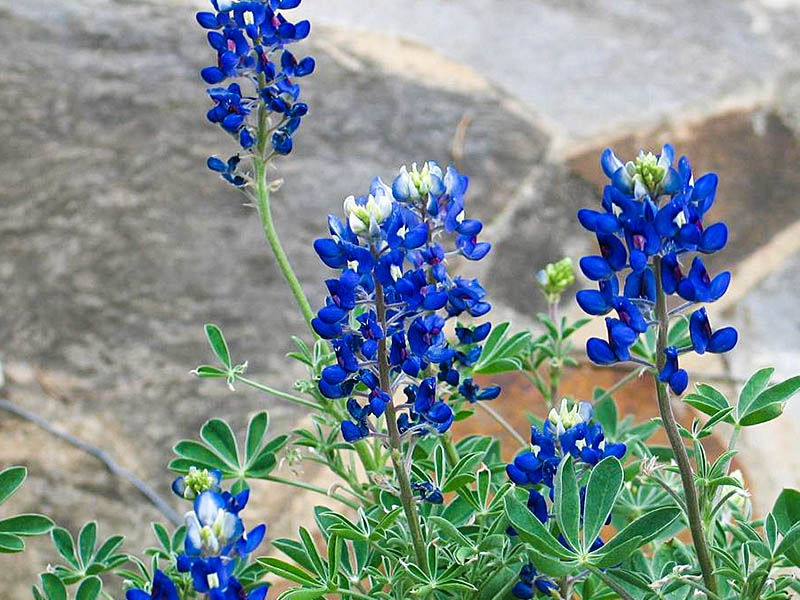
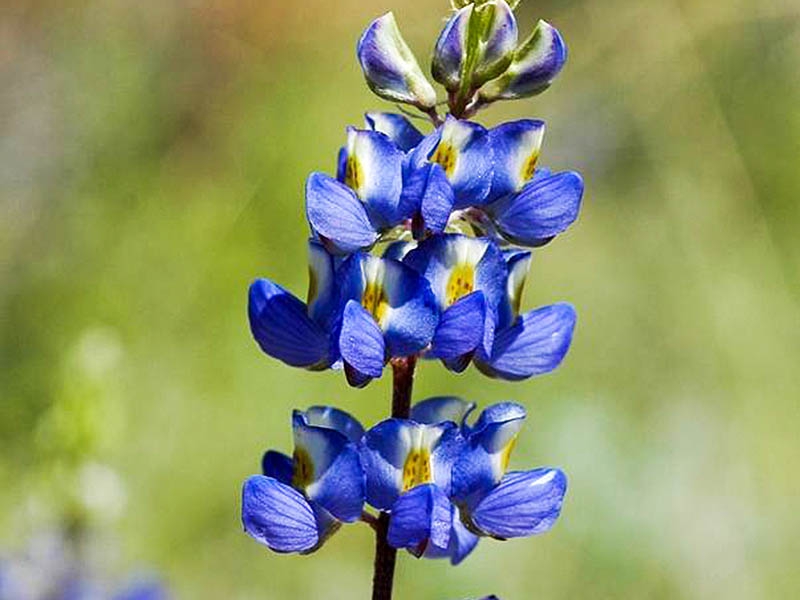
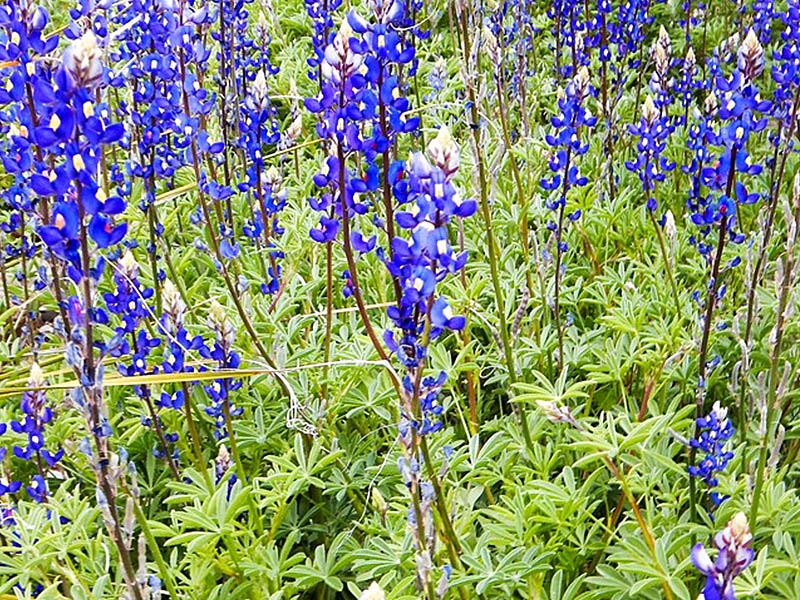
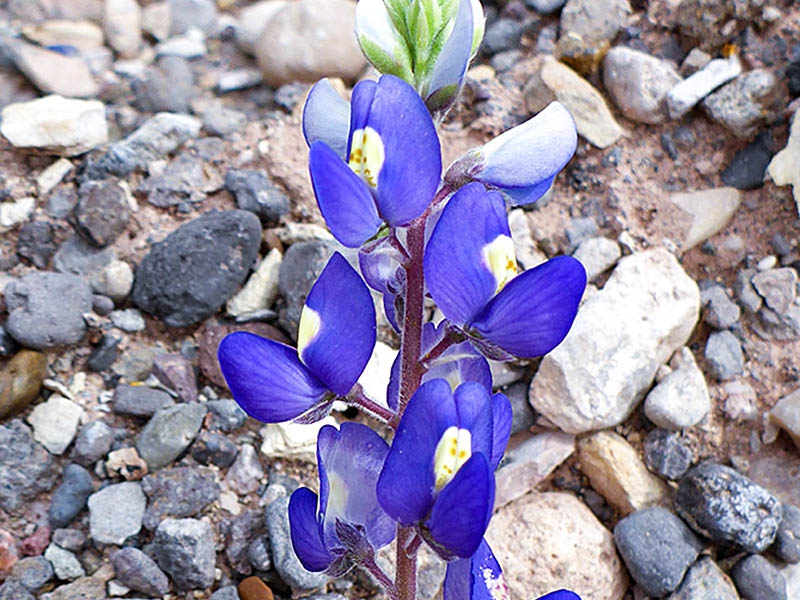
Lupinus havardii is a plant native primarily to the southwestern United States, found particularly abundantly in Texas. The following is information regarding this plant's growth characteristics, propagation methods, cultivation techniques, garden uses, major pests and diseases, and control methods. Growth Characteristics - Growth Environment: Lupinus havardii thrives in sunny locations and prefers well-drained soil. - Height and Shape: This plant typically grows to a height of 60 to 100 cm and produces flowers in various colors. - Flower Characteristics: It produces flowers in a variety of colors ranging from purple and blue to white, primarily blooming in the spring. Propagation Methods - Seed Propagation: Propagation by seeds is common; seeds can be sown directly in the spring or planted in the fall to germinate in the spring. - Germination Conditions: Before planting, seeds can be soaked in water for about a day or lightly sanded to increase the germination rate. Cultivation Methods - Soil Preparation: Sandy soil is suitable for good drainage. A pH range of neutral to slightly acidic is ideal. - Watering: It is best to keep the soil dry, but care must be taken to prevent it from becoming too dry. - Fertilizer: It does not require much fertilizer, but applying a light fertilizer during the flowering period is beneficial. Garden Uses - Landscaping: Lupinus habardi is used to add color to gardens using its flowers in various colors. - Natural Planting: It does not spread easily, so it has the advantage of not encroaching on other plants when placed in specific areas of the garden. Major Pests and Control Methods - Pests and Diseases: Lupinus habardi is generally resistant to disease, but it can contract root rot in poorly drained soil. - Control Methods: To prevent problems, ensure good drainage. If disease occurs, the infected parts must be removed. - Pests: Damage may occur from aphids or snails; these can be physically removed or appropriate pesticides can be used. Lupinus habardi is an easy-to-care-for plant, and if you provide the right environment, you can enjoy its vibrant flowers for a long time.
Plant Family
legumes
Height
30~120cm
Spread
30~60cm
Colors
blue
Bloom Period
March to April
Water Needs
commonly
Exposure
Sunny
Freezing Resistance
-30°C
Lupinus latipolius
Lupinus latifolius
Lupinus Bicolore
Lupinus bicolor