English
한국어
English
Español
中文
हिंदी
Home
News
Community
Dictionary
English
한국어
English
Español
中文
हिंदी
View list
Lupinus Bicolore
Lupinus bicolor
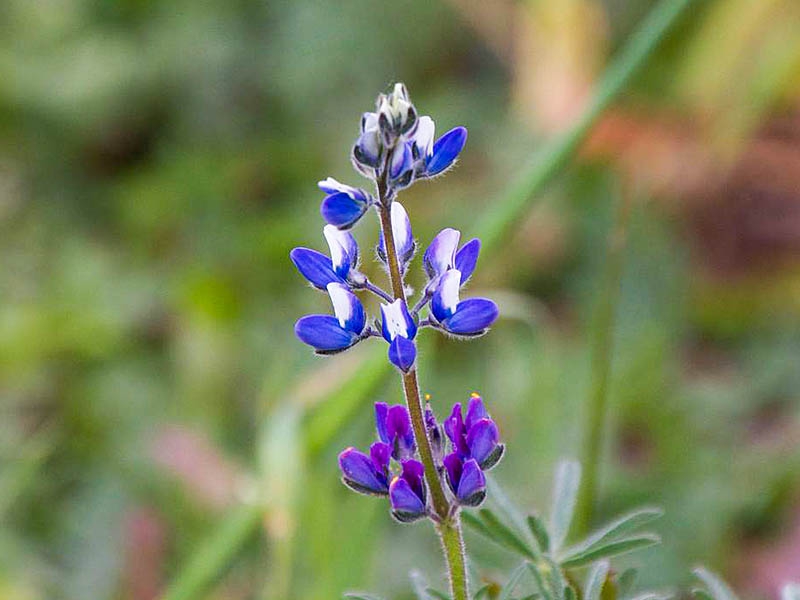
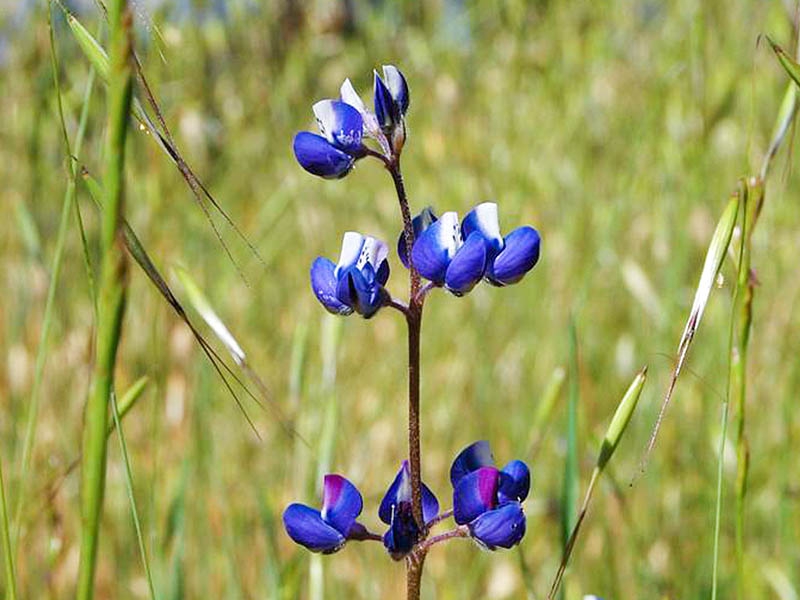
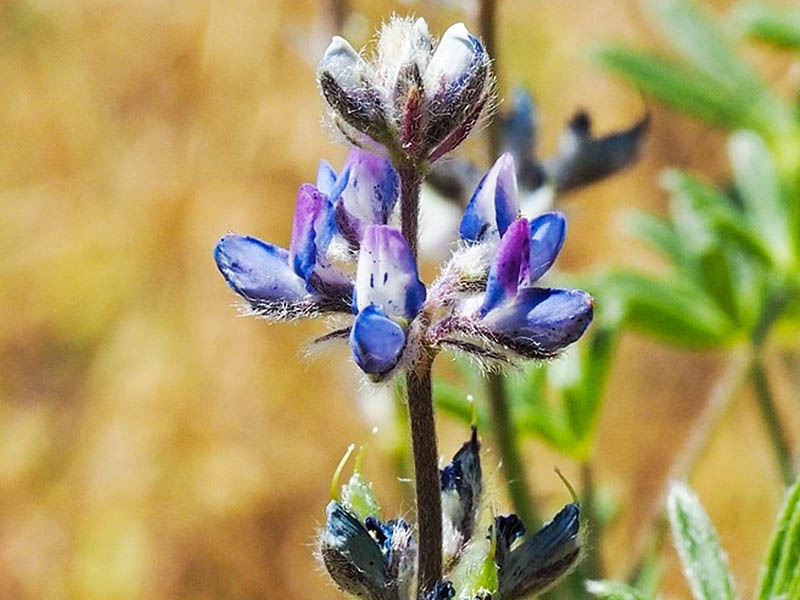
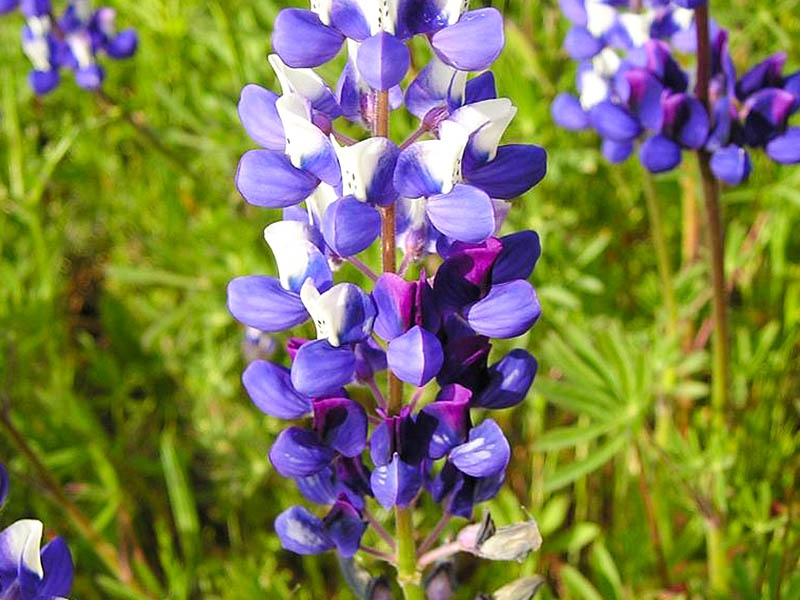
Lupinus bicolor is an annual or perennial plant belonging to the legume family, native primarily to western North America. The following is information regarding the growth and cultivation of Lupinus bicolor. Growth Characteristics - Growth Habits: It grows primarily as an annual plant, reaching a height of approximately 20 to 50 cm. The stems are straight, and the leaves are palmately compound. - Flowers: Blue-violet or purple flowers bloom in the spring, arranged in racemes. The flowers often attract small insects with their fragrance. Propagation Methods - Seed Propagation: It is primarily propagated by seeds. Germination rates can be improved by making small incisions in the seeds before sowing or soaking them in water for a few hours. - Sowing Time: It is best to sow from late winter to early spring. Cultivation Method - Soil: Well-drained sandy or gravelly soil is suitable, and it prefers an acidic to neutral pH. - Watering: Be careful not to overwater; it is recommended to water when the soil becomes dry. - Sunlight: It requires sufficient sunlight, so it should be grown in a sunny location. Garden Uses - Landscape Beauty: Thanks to its unique flower shapes and vivid colors, it is suitable for wildflower gardens or rock gardens. - Environmental Benefits: As a legume, it has the ability to fix nitrogen, contributing to increased soil fertility. Important Pests and Control Methods - Diseases: It is generally resistant to diseases, but root rot can occur if it becomes waterlogged. It is important to grow it in well-drained soil and avoid overwatering. - Pests: Aphids or mites may occur, so regular observation is necessary. In the early stages of infestation, they can be controlled using soapy water or eco-friendly insecticides. Lupinus bicolor is a relatively easy-to-care-for plant, making it suitable even for gardening beginners. It grows well in various environments, so under proper care, it can provide a beautiful landscape.
Plant Family
legumes
Height
10~60cm
Spread
25~30cm
Colors
purple
Bloom Period
March to June
Water Needs
commonly
Exposure
Sunny
Freezing Resistance
-15°C
Lupinus habardi
Lupinus havardii
Lupinus argenteus
Lupinus argenteus