English
한국어
English
Español
中文
हिंदी
Home
News
Community
Dictionary
English
한국어
English
Español
中文
हिंदी
View list
Nadosafran Rosea
Zephyranthes rosea
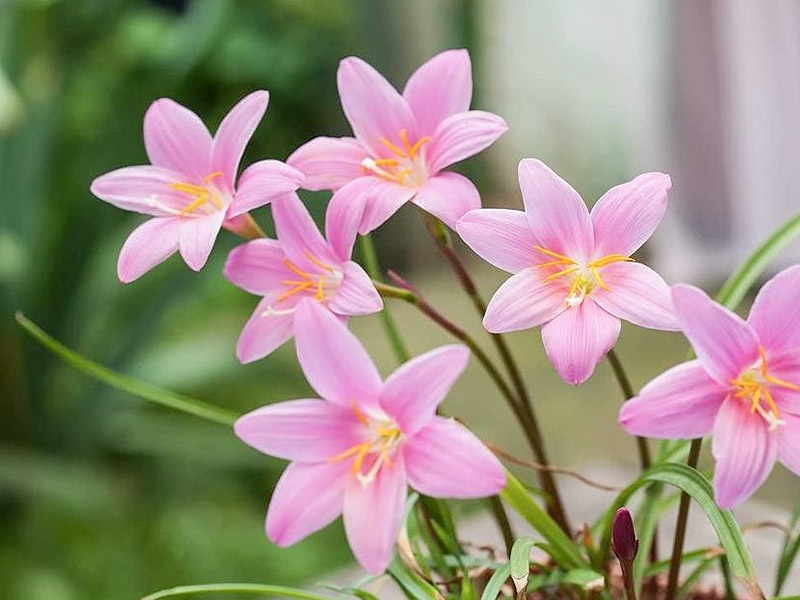
Growth Characteristics Zephyranthes rosea is a perennial bulbous plant belonging to the Amaryllidaceae family. It primarily grows in tropical and subtropical regions, reaching a height of approximately 15 to 30 cm. Pink flowers bloom alongside slender leaves, and flowering mainly occurs in summer and autumn. Propagation Methods Bulb division is the most common method of propagation. After the flowers have faded, dig up the bulbs, separate the offsets, and plant them. While propagation by seeds is possible, bulb propagation is more common as it takes a long time. Cultivation Methods - Soil: It thrives in well-drained soil and prefers slightly acidic to neutral soil. - Sunlight: It grows well in partial shade, but also thrives in areas with abundant sunlight. - Watering: Water appropriately when the soil becomes dry, but be careful not to overwater. - Temperature: It prefers a warm climate, and it is best to keep it indoors during the winter. Garden Use Nadosafran Rosea is popular for ground cover, borders, or as a decorative plant for flowerbeds. Its small flowers bloom in clusters, adding vibrant color to the garden. Important Pests and Control Methods - Diseases: Overwatering can cause bulb rot. To prevent this, well-drained soil and proper watering are required. - Pests: While generally resistant to pests, aphids or scale insects may occur. Remove them immediately upon discovery or use insecticides if necessary. With proper care and conditions, Nadosafran Rosea is a plant that allows you to easily enjoy bright and beautiful flowers.
Plant Type
Plant Family
Narcissus family
Height
15~20cm
Spread
2~5cm
Colors
pink
Bloom Period
August
Water Needs
commonly
Exposure
Sunny
Freezing Resistance
-10°C
Idosafran Citrina
Zephyranthes citrina
I also Safran Atamasca
Zephyranthes atamasca