English
한국어
English
Español
中文
हिंदी
Home
News
Community
Dictionary
English
한국어
English
Español
中文
हिंदी
View list
millet grass
Lysimachia vulgaris
var.
davurica
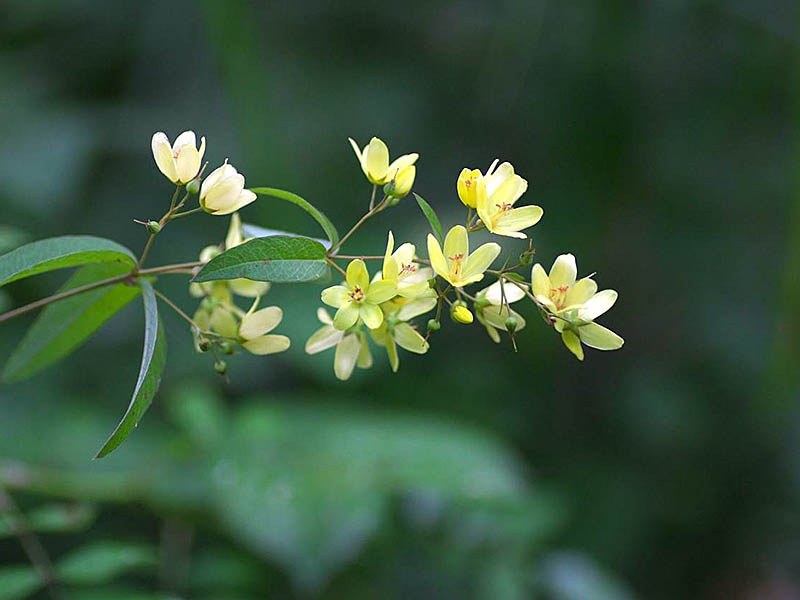
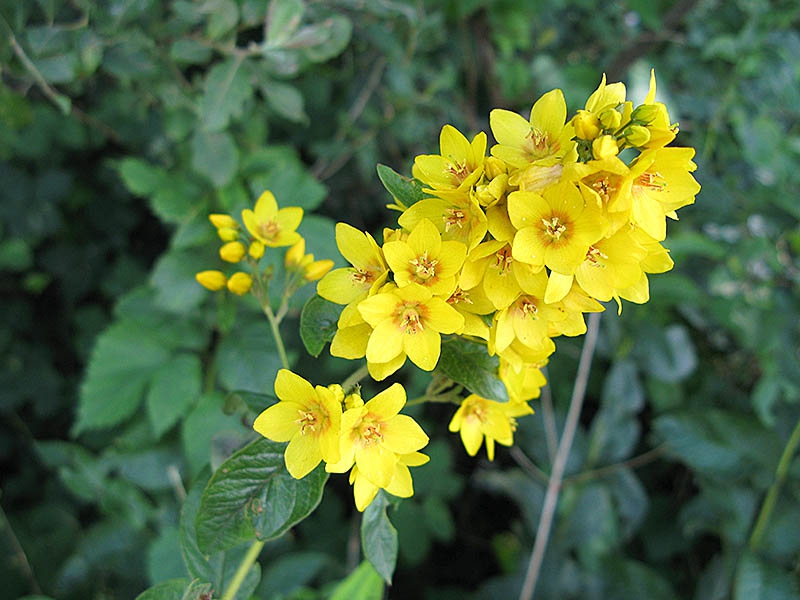
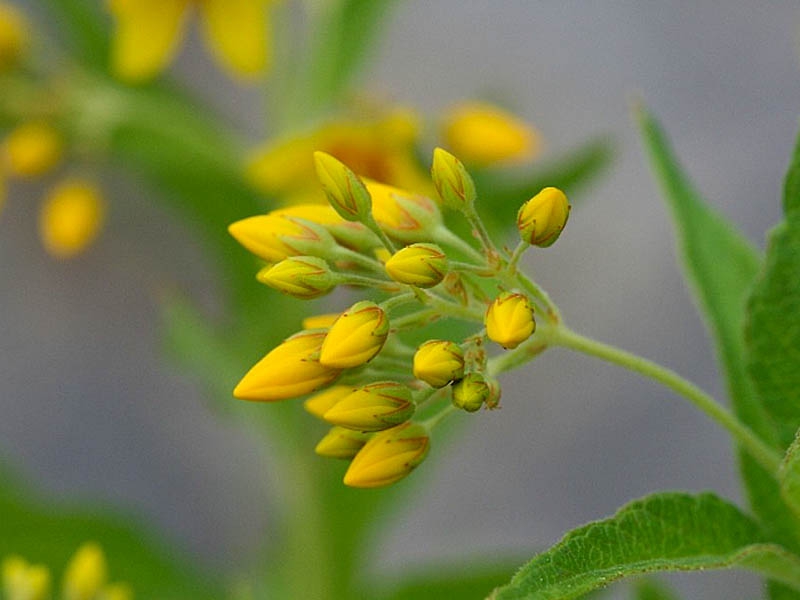
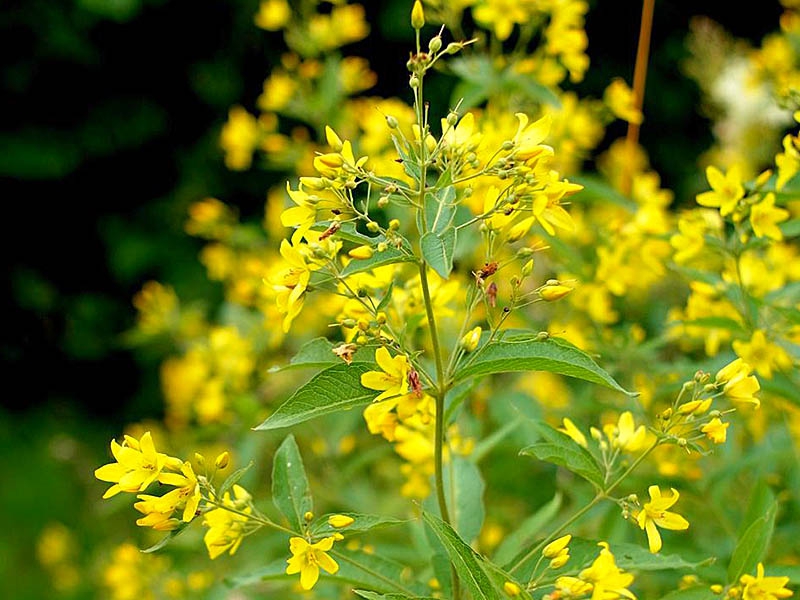
The growth characteristics, propagation methods, cultivation methods, garden uses, major pests and diseases, and control methods for Lysimachia vulgaris var. davurica are as follows. Growth Characteristics Lysimachia vulgaris var. davurica is a perennial herbaceous plant that prefers high humidity and thrives in sunny locations. It is primarily found in swamps or damp areas. The plant grows to a height of approximately 50 cm to 1 m, and yellow flowers bloom during the summer. Propagation Methods This plant is primarily propagated by seeds and rhizomes. It can be propagated by sowing seeds directly into the ground in spring or autumn. Additionally, new plants can be created by dividing the rhizomes. Cultivation Methods Lysimachia vulgaris var. davurica grows well in fertile, well-drained soil. It is important to maintain a moist environment by watering regularly. It thrives when supplied with adequate nutrients during the growing season. It is best to avoid overly dry environments. Uses in the GardenMillet vulgaris var. dabrica plays an important role in garden landscapes due to its beautiful flowers and unique foliage. It is suitable for landscaping waterside gardens or nature-friendly gardens. It also harmonizes well with various other plants. Important Pests and Control Methods Millet vulgaris is relatively resistant to pests and diseases, but it can be attacked by fungal diseases or aphids. In the case of fungal diseases, it is important to maintain an environment with good ventilation and prevent moisture stagnation. If aphids are found, removing them with soapy water or using an appropriate insecticide is effective. Pests and diseases can be prevented through regular plant inspection and care. You can keep your Millet vulgaris var. dabrica healthy with proper care and attention.
Plant Family
Primulaceae
Height
40~100cm
Colors
yellow
Bloom Period
June to August
Water Needs
commonly
Exposure
Sunny
Freezing Resistance
-30°C
Lishikiton Kamtzkatkensis
Lysichiton camtschatcensis
Lysimachia
Lysimachia nummularia