English
한국어
English
Español
中文
हिंदी
Home
News
Community
Dictionary
English
한국어
English
Español
中文
हिंदी
View list
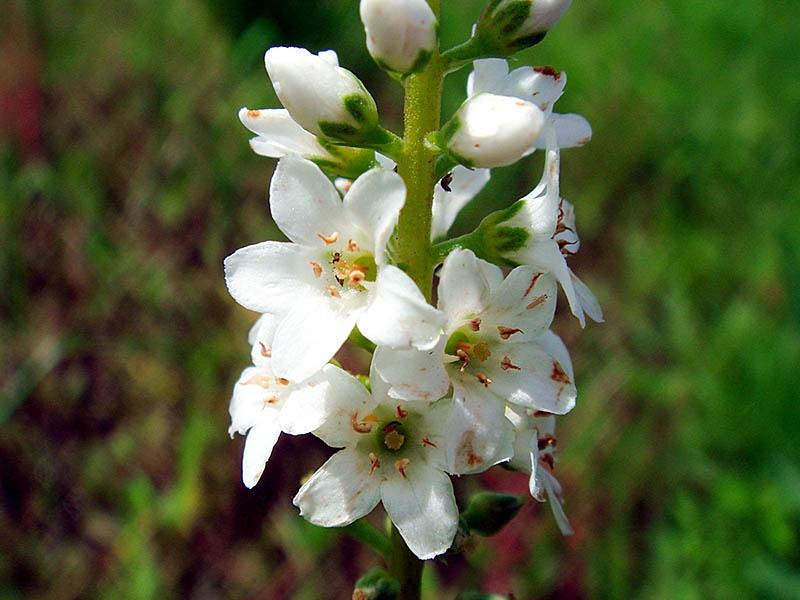
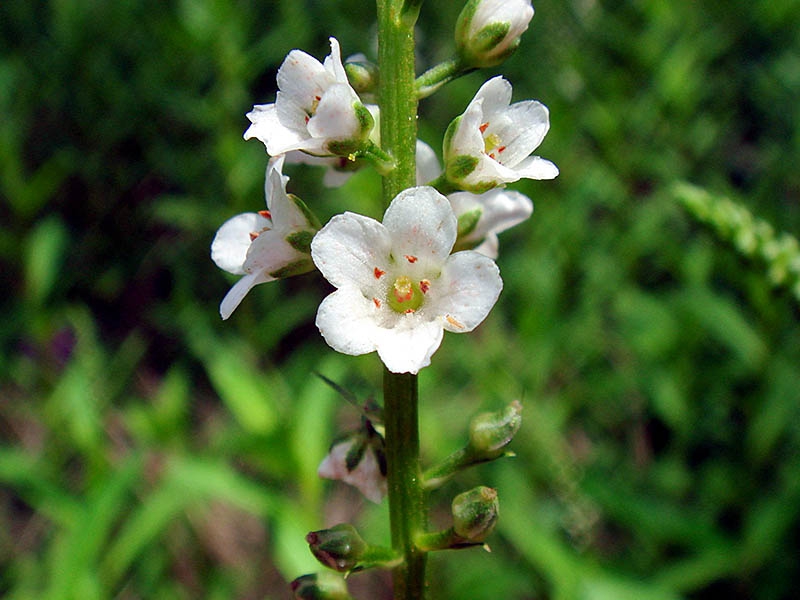
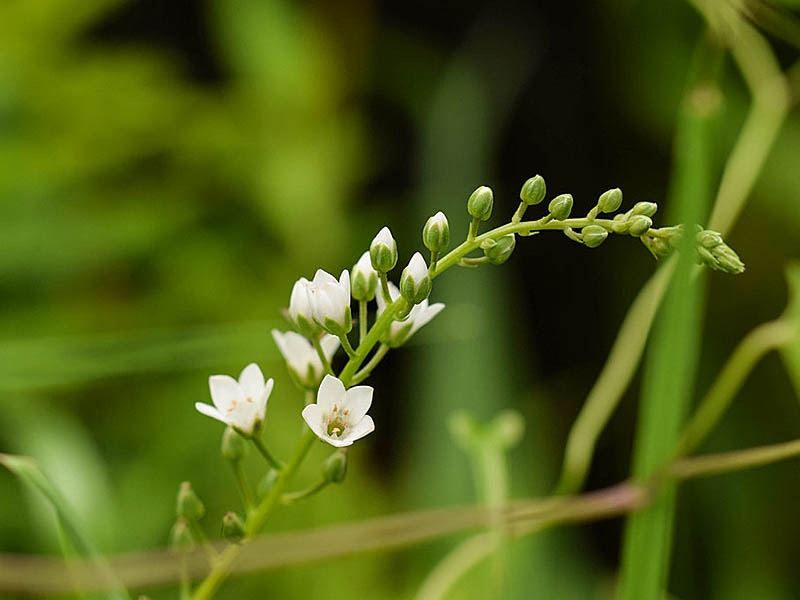
Jinpeori magpie's beard
Lysimachia fortunei
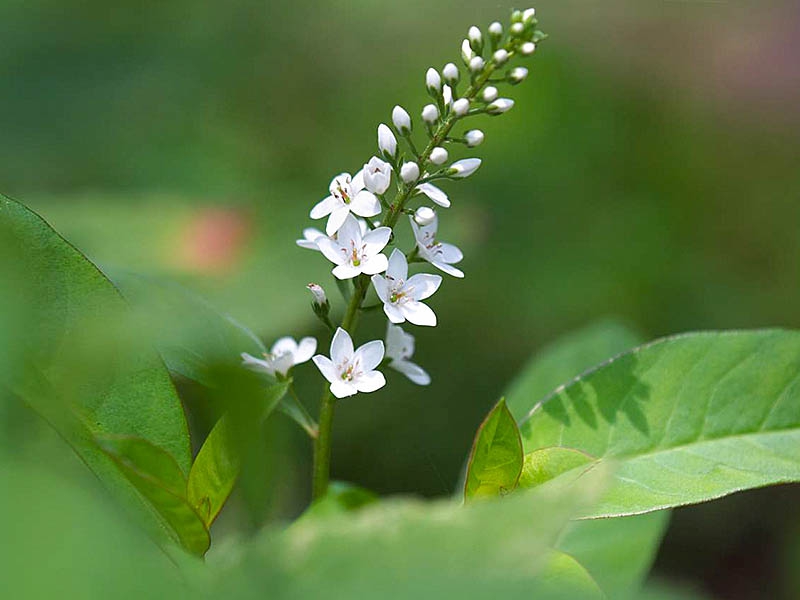
I will explain the growth characteristics, propagation methods, cultivation methods, garden uses, and major pests and diseases and control methods of Lysimachia fortunei. Growth Characteristics Lysimachia fortunei is a perennial herbaceous plant that thrives primarily in humid environments. It grows to a height of approximately 30 to 70 cm, and its leaves are characterized by being elongated oval-shaped and arranged opposite each other. White or pale yellow flowers bloom in the summer, appearing as racemes. Propagation Methods Lysimachia fortunei is primarily propagated by seeds or root division. For seed propagation, sowing in the spring is suitable, and sprouts begin to emerge after about 2 to 3 weeks. Root division is mainly performed in the spring or autumn; the roots are carefully separated and transplanted. Cultivation Methods Since this plant prefers moisture, it should be planted in well-drained soil, and it is important to maintain sufficient moisture. Although it grows well in partial shade or in direct sunlight, it is best to avoid very strong direct sunlight. In winter, the above-ground parts dry out and die, but the roots remain alive, allowing it to grow again the following year. Uses in the GardenSince Scutellaria fortunae prefers moisture, it is suitable for pond areas or wetland gardens. It harmonizes well with other perennial plants, creating a natural atmosphere. Additionally, when in bloom, it offers a unique charm and serves as a visual focal point in the garden. Important Pests and Control Methods Scutellaria fortunae is relatively resistant to pests and diseases, but some pests such as aphids or scale insects may occur. If pests appear, it is best to remove them early or control them using soapy water or eco-friendly insecticides. Caution is required as fungal diseases may occur if the soil is excessively wet or ventilation is poor. It is important to improve ventilation by planting at appropriate intervals. This concludes the explanation of basic information and care methods for Scutellaria fortunae. I hope this will be useful for creating an eco-friendly garden.
Plant Family
Primulaceae
Height
40~70cm
Colors
white
Bloom Period
July~August
Water Needs
commonly
Exposure
Sunny
Freezing Resistance
-30°C
small-grass
Lysimachia japonica
True millet
Lysimachia coreana