English
한국어
English
Español
中文
हिंदी
Home
News
Community
Dictionary
English
한국어
English
Español
中文
हिंदी
View list
Maklura Formifera
Maclura pomifera
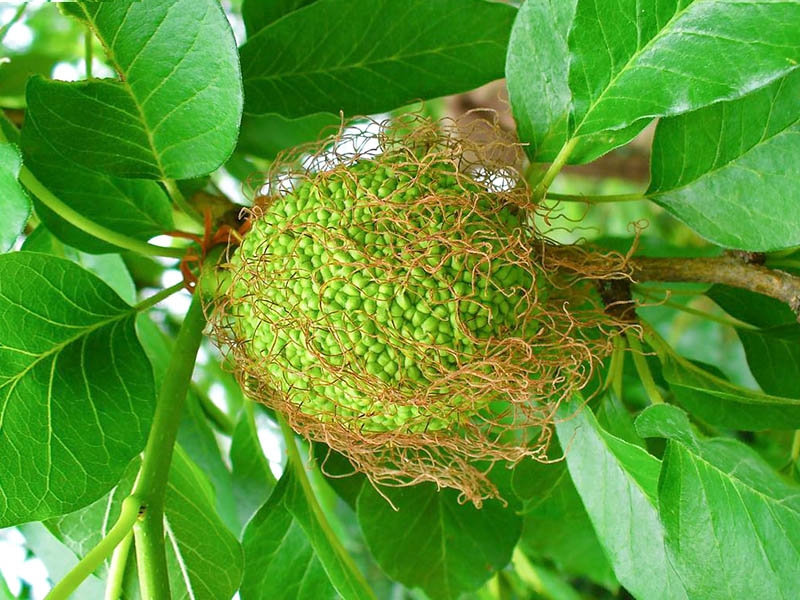
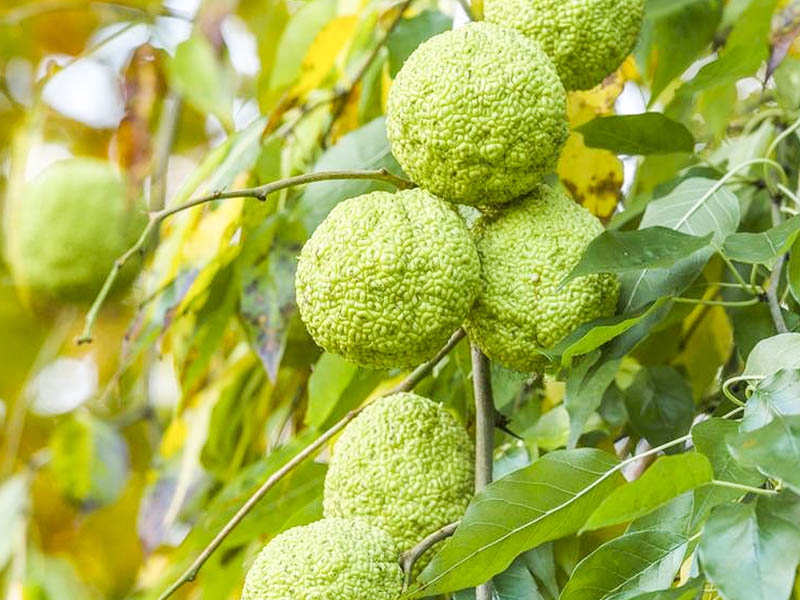
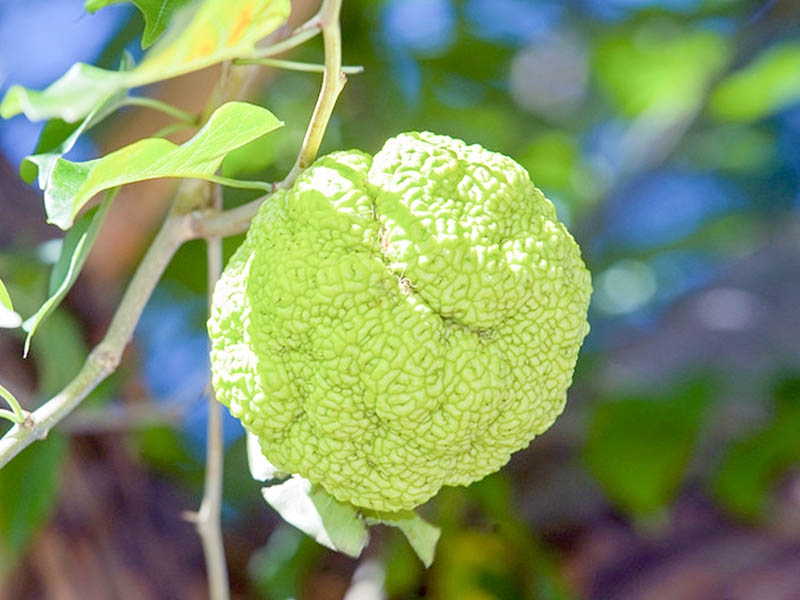
Maclura pomifera is a deciduous tree belonging to the Moraceae family, also commonly known as the 'Orange Tree' or 'Oss Age Orange'. This tree is native primarily to North America and possesses the following growth characteristics and cultivation information. Growth Characteristics - Height and Shape: Mature trees typically grow to a height of 8 to 15 meters, with branches spreading widely to form a dome-shaped crown. - Leaves and Flowers: The leaves are oval-shaped, measuring approximately 5 to 15 cm in length, with smooth margins. Flowers bloom in May and June, and the tree is dioecious (having separate male and female trees). - Fruit: Green fruits measuring 8 to 15 cm in diameter mature in September and October. The fruit is not edible but possesses a distinctive aroma. Propagation Methods - Seed Propagation: Seeds are collected from mature fruits, stored in a cold place during the winter, and sown in the spring. 2. Cuttings: It can be propagated by cutting off new shoots in the summer. Cultivation Methods - Soil: It prefers well-drained soil, but grows well in various soil conditions. - Sunlight: It can adapt from full sunlight to partial shade, but grows healthiest in sunny locations. - Watering Preference: It requires sufficient water supply in the early stages, but can tolerate relatively dry conditions after maturity. Uses in the Garden This tree is often used as a hedge or windbreak. In particular, it is highly popular as a landscape tree due to its strong adaptability and durability. Important Pests and Control Methods - Diseases: It is relatively resistant to pests and diseases, but root rot can occasionally occur. Prevent this by selecting well-drained soil. - Pests: Insect damage is rare, but regular observation and the use of appropriate pesticides are necessary if it occurs. Maclura formifera is a relatively easy-to-care-for tree that fits well in gardens and parks and can have a positive impact on the ecosystem.
Plant Family
Moraceae
Height
9~18m
Spread
9~18m
Colors
green
Bloom Period
April to August
Water Needs
commonly
Exposure
Sunny
Freezing Resistance
-30°C
Macleaia 'Kelweiss Coral Plume'
Macleaya microcarpa
'Kelway's Coral Plume'
Prolongatum
Macromitrium prolongatum