English
한국어
English
Español
中文
हिंदी
Home
News
Community
Dictionary
English
한국어
English
Español
中文
हिंदी
View list
Blue-flowered fern
Macrothelypteris viridifrons
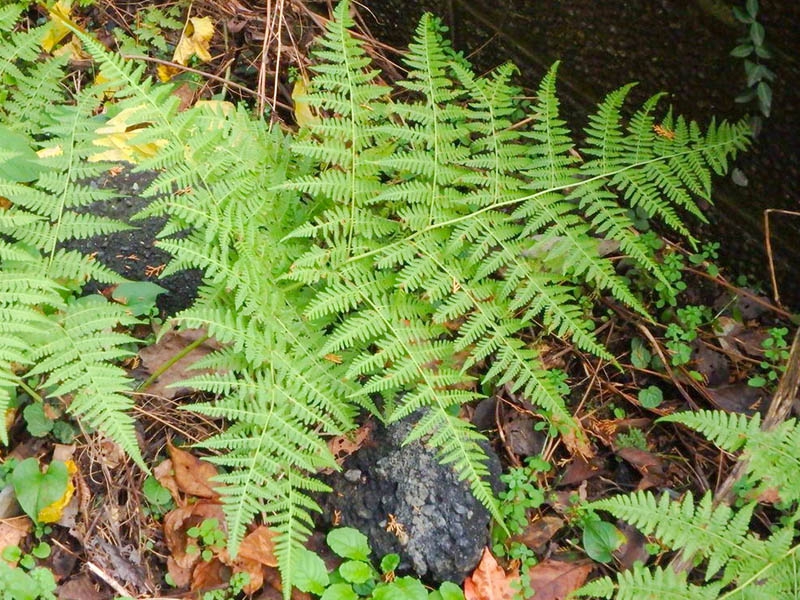
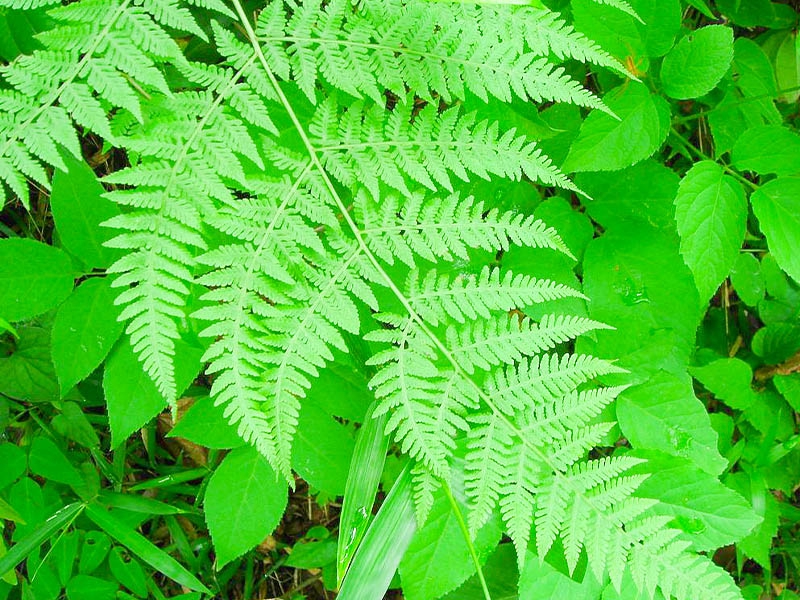
Macrothelypteris viridifrons is a perennial fern with beautiful green leaves that thrives in full sun and partial shade. Below is a description of this plant's growth characteristics, propagation methods, cultivation methods, garden uses, major pests and diseases, and control methods. Growth Characteristics - Habitat: Macrothelypteris viridifrons grows well primarily in damp areas in mountains and fields. - Soil: It prefers fertile, well-drained soil, but it is highly adaptable to various soil conditions. - Sunlight: It prefers partial shade or partial shade, and it is best to avoid locations with strong direct sunlight. - Temperature: It grows well in warm climates and possesses a certain degree of cold tolerance during the winter. Propagation Methods - Propagation is primarily achieved by spores. - Spore Collection: Mature spores are collected from the undersides of leaves when they turn brown. - Spore Germination: Spores germinate in environments with high humidity. After germination, the plant grows into a small plant, and managing this process requires careful attention. Cultivation Methods - Planting: Transplant into well-drained soil rich in organic matter. - Watering: Keep the soil moist at all times, but avoid overwatering. Water thoroughly, especially during the summer. - Fertilizer: During the growing season, supplying slow-release fertilizer appropriately can aid growth. Garden Uses - The Blue-leaved Fern is highly popular for landscaping due to its unique leaf shape. - It can be planted in pots or placed along the borders of flower beds. Its vibrant green leaves harmonize with other plants, contributing to the creation of a beautiful garden. Important Pests and Control Methods - Pests and Diseases: While generally resistant to pests and diseases, it can be damaged by spider mites or aphids. - Control Methods: Observe the plant periodically; if pests or diseases appear early, use appropriate pesticides or natural predators for control. Additionally, ensure good ventilation and prune surrounding plants to minimize the occurrence of diseases. Based on this information, you can cultivate the blue-flowered fern to create a beautiful garden environment.
Plant Family
Virgin fern family
Height
60~120cm
Colors
sporophyte
Bloom Period
June to September (spore period)
Water Needs
commonly
Exposure
semi-shaded area
Freezing Resistance
-10°C
Yaponicum longifolia
Macromitrium japonicum
Malkong Uniflorum
Macrotyloma uniflorum