English
한국어
English
Español
中文
हिंदी
Home
News
Community
Dictionary
English
한국어
English
Español
中文
हिंदी
View list
Madea Elegans
Madia elegans
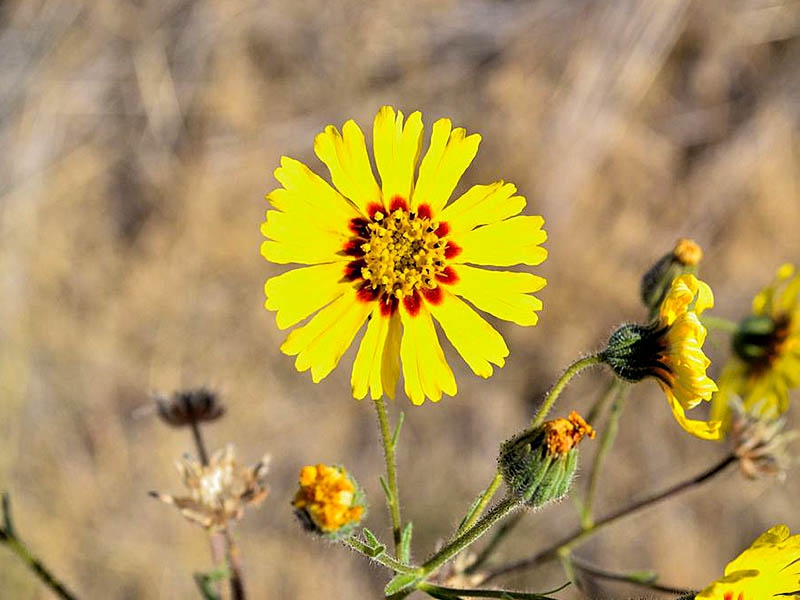
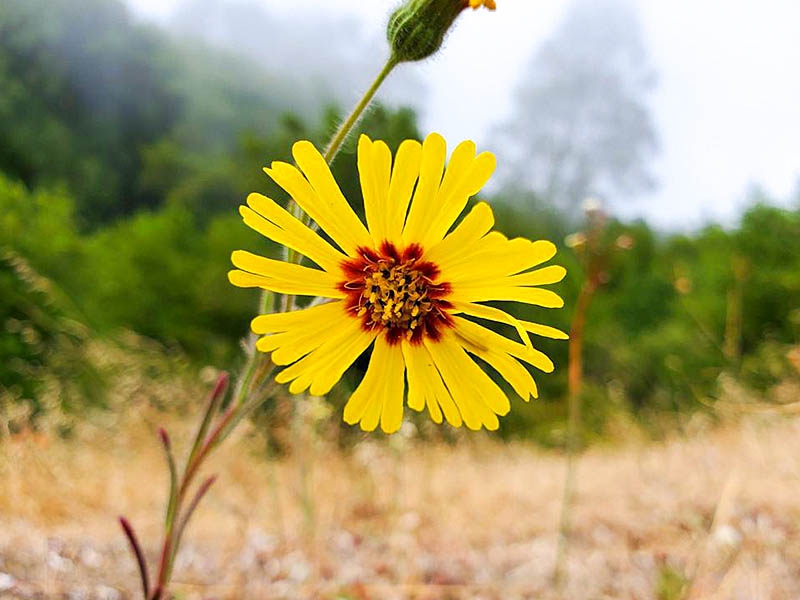
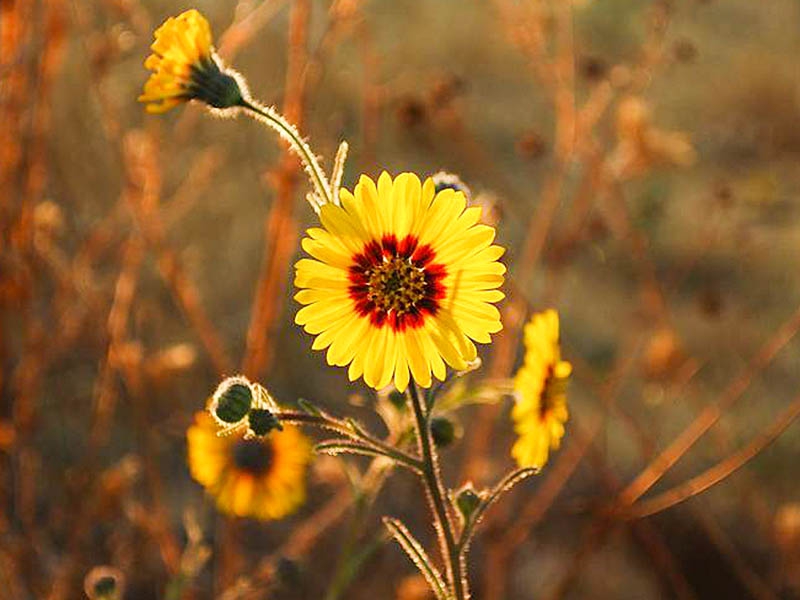
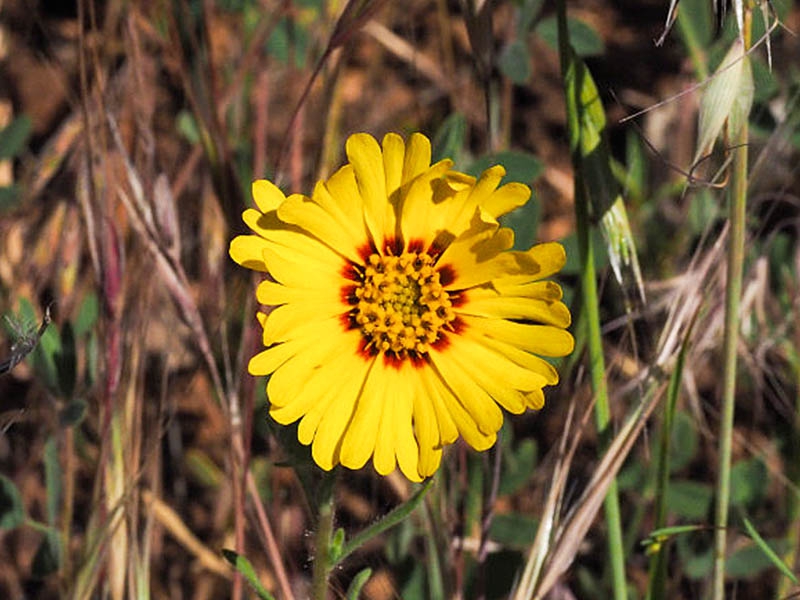
Growth Characteristics of Madia elegans Madia elegans is an annual plant belonging to the Asteraceae family, native primarily to the western regions of North America. This plant can grow to a height of 30 cm to 1.8 m and blooms with yellow or orange flowers from summer to early autumn. It thrives even in dry environments and grows best in sunny locations. Propagation Methods Madia elegans can be easily propagated by seeds. Seeds can be sown directly into the ground in spring or autumn. After sowing, lightly cover the seeds with soil and water gently to initiate germination. It has a high natural germination rate without any special treatment. Cultivation Methods - Soil: It prefers well-drained soil. While it grows well in poor soil, it is best to avoid areas with excessive moisture. - Watering: Since it is resistant to dry conditions, frequent watering is not necessary. It is best to water only when the soil is completely dry. 3. Sunlight: It grows best in sunny locations, and flowering may be reduced in shade. - Temperature: It thrives better in warm climates than in cool ones, but it can grow in a relatively wide range of temperatures. Uses in the Garden Madiea elegans is suitable for adding a natural feel to the garden. It is frequently used to create natural gardens by blending with other wildflowers. Additionally, it plays a role in supporting the ecosystem by attracting bees and butterflies. Important Pests and Control Methods Madiea elegans is relatively resistant to pests and diseases, but the following issues may rarely occur: - Diseases: Powdery mildew or rust may occur. To prevent this, it is recommended to grow the plant in a well-ventilated environment and remove any infected leaves. - Pests: Aphid or moth larvae may occur. In this case, you can wash them off with water or use approved insecticides. If the goal is pesticide-free cultivation, natural pest control methods include using natural enemies or biopesticides.
Plant Family
Asteraceae
Height
60~150cm
Spread
30~60cm
Colors
yellow
Bloom Period
July~August
Water Needs
commonly
Exposure
Sunny
Freezing Resistance
-10°C
Malkong Uniflorum
Macrotyloma uniflorum
Plate flower magnolia
Magnolia
×
soulangeana