English
한국어
English
Español
中文
हिंदी
Home
News
Community
Dictionary
English
한국어
English
Español
中文
हिंदी
View list
Japanese Magnolia
Magnolia obovata
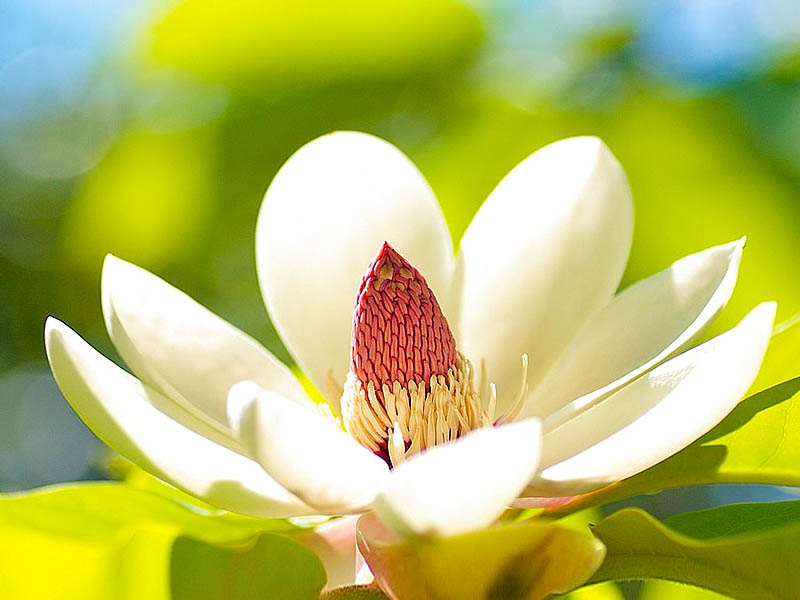
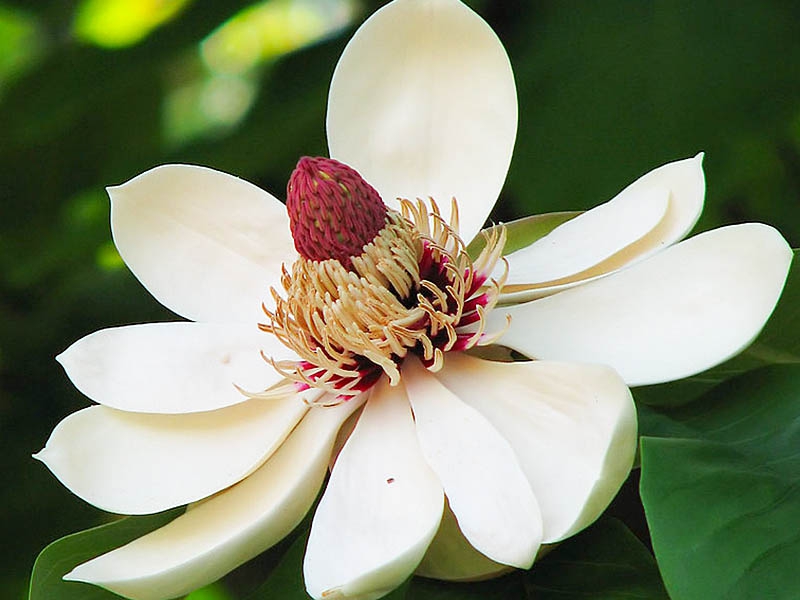
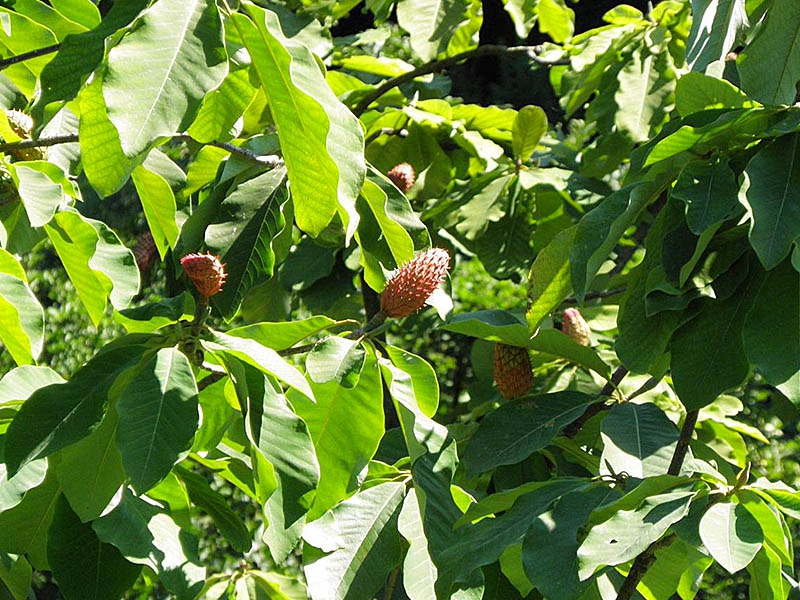
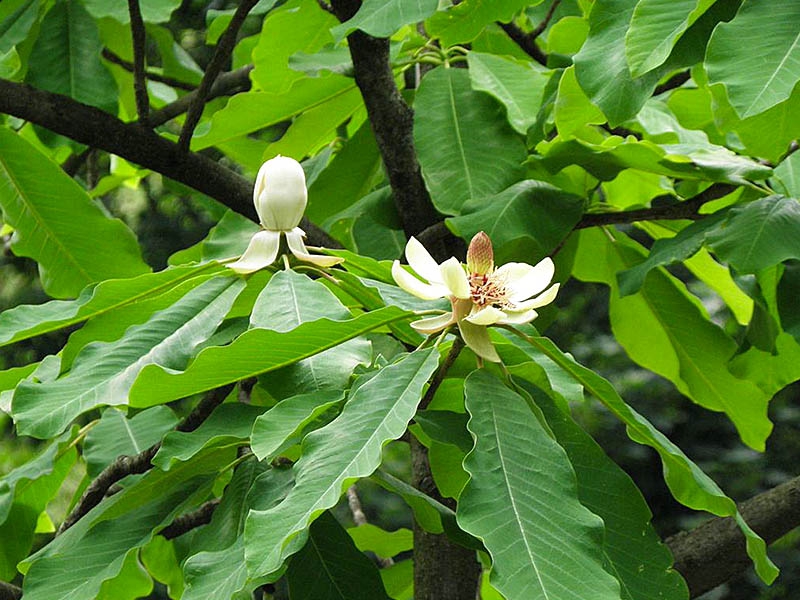
Magnolia obovata, also known as the large-leaved magnolia, is a deciduous tree belonging to the Magnoliaceae family. This tree is native primarily to Japan and the Russian Far East, thriving in forests at altitudes of 600 to 1,600 meters. Growth Characteristics - Height and Shape: Mature trees typically grow to 20 to 30 meters in height, with densely distributed branches. - Leaves: The leaves are large and oval-shaped, reaching a length of 30 to 50 cm. The tips of the leaves are not pointed but are rounded or slightly concave. - Flowers: Blooming from May to June, the flowers are characterized by their large size and white color. They reach a diameter of approximately 15 to 25 cm and emit a strong fragrance. - Fruit: Red, elongated berries develop from September to October. Propagation Methods - Seeds: Propagation by seeds is common. Collect seeds from mature fruits and plant them immediately, or plant them in early spring after a short period of cold dormancy. - Cuttings: While it is possible to propagate by cutting new branches, seed propagation is generally recommended due to the low success rate. Cultivation Methods - Soil: It prefers well-drained, acidic soil rich in organic matter. - Sunlight: It thrives in partial shade but can also grow in full sun. - Watering: Maintain the soil consistently moist. Avoid overwatering. - Fertilizer: It is recommended to apply an appropriate amount of slow-release fertilizer in spring and autumn. Uses in Gardens - Ornamental Tree: It is widely used as an ornamental tree in gardens and parks due to its large leaves and showy flowers. - Shade Provider: Its large, lush foliage makes it suitable for providing shade during the summer. Important Pests and Control Methods - Powdery Mildew: Powdery mildew causes symptoms resembling white powder on the leaves. To minimize damage, prune branches to ensure good ventilation and use appropriate fungicides if necessary. - Aphids: Aphids may appear on leaves and new shoots. Wash them off with water in the early stages, and use the appropriate insecticide if the condition is severe. - Bark Rot: The tree's bark may peel and show signs of rotting. Remove the diseased parts and apply a disinfectant. Obobata is a relatively easy-to-care-for tree that can add a unique charm to your garden. It can be grown healthily through regular care and pest and disease prevention.
Plant Family
Magnolia family
Height
20m
Colors
white
Bloom Period
May~June
Water Needs
commonly
Exposure
semi-shaded area
Freezing Resistance
-20°C
Magnolia
Magnolia sieboldii
Purple Magnolia
Magnolia liliiflora