English
한국어
English
Español
中文
हिंदी
Home
News
Community
Dictionary
English
한국어
English
Español
中文
हिंदी
View list
Purple magnolia
Magnolia denudata
var.
purpurascens
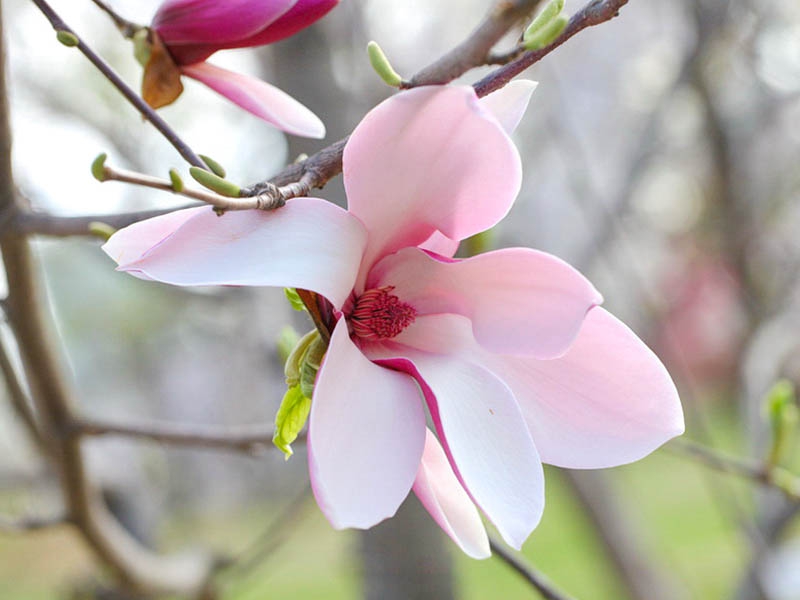
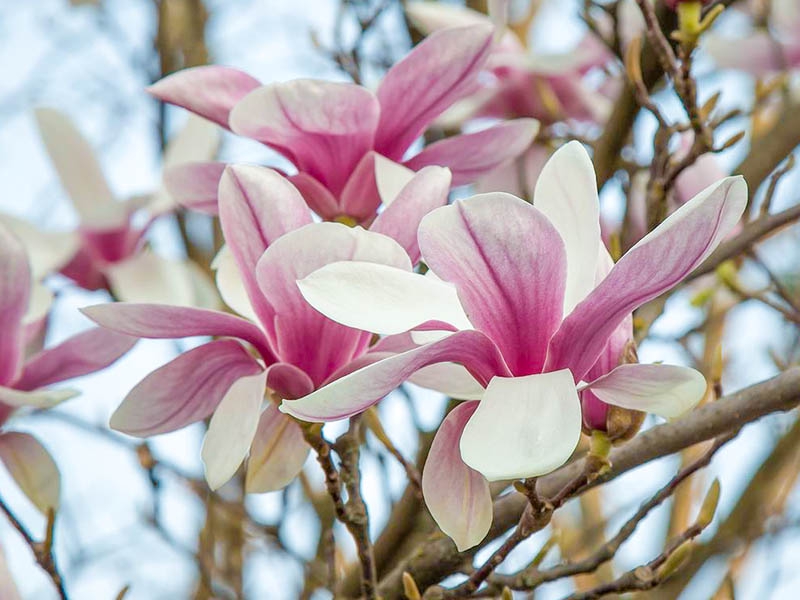
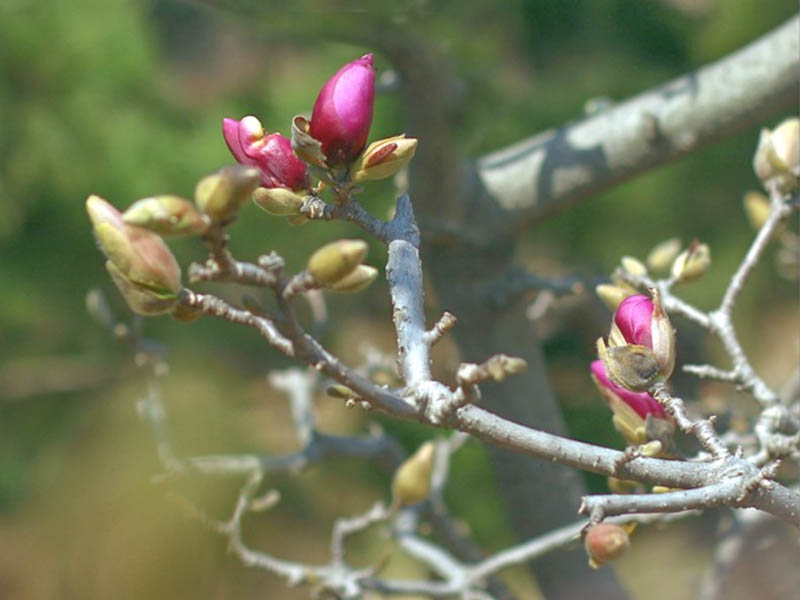
Magnolia denudata var. purpurascens is a variety of the purple magnolia that is popular as an ornamental plant due to its beautiful, distinctive pinkish flowers. Let's examine the growth characteristics, cultivation methods, propagation methods, garden uses, and pest and disease control methods for this variety. Growth Characteristics Magnolia denudata var. purpurascens thrives in well-drained soil and sunny locations. It is relatively cold-hardy, allowing it to withstand some cold during the winter, and it produces abundant flowers in the spring. It grows well in well-drained soil, and it is recommended to maintain the soil pH at a slightly acidic to neutral level. Propagation Methods It is primarily propagated through cuttings and grafting. Cuttings are taken in the spring when new shoots are forming to encourage rooting as quickly as possible. Grafting is possible in the spring or summer, and it is important to use branches from healthy trees. Cultivation Methods Plant in a location with sufficient sunlight and good drainage. When planting, ensure there is ample space around the tree to allow it room to grow. Provide sufficient water during the growing season, but be careful not to overwater. It is recommended to fertilize 1 to 2 times a year, using organic fertilizers in late winter and early spring, or using slow-release fertilizers with balanced nutrients. Uses in the GardenMagnolia denudata var. purpurascens is widely used as an ornamental plant in gardens and parks due to its showy flowers. It can harmonize with other trees or serve as a visual focal point. Thanks to its large and elegant flowers, it can be shaped into various forms through pruning, contributing to enhancing the aesthetic appeal of the garden. Important Pests and Control Methods The main pests and diseases affecting the Magnolia are fungal diseases and pests. In particular, it can be susceptible to fungi such as gray mold or rust, while pests such as aphids and scale insects may occur. To prevent these issues, it is important to perform periodic pruning and maintain good ventilation. In the event of disease, control measures should be taken using appropriate fungicides and insecticides; for eco-friendly methods, plant-based oils or soapy water can be used. By effectively utilizing these management methods, you can grow healthy Magnolia denudata var. purpurascens and create a beautiful garden.
Plant Family
Magnolia family
Height
15m
Colors
white, purple
Bloom Period
April~May
Water Needs
commonly
Exposure
Sunny
Freezing Resistance
-15°C
Chinese Magnolia
Magnolia officinalis
var.
biloba
Campanula
Magnolia champaca