English
한국어
English
Español
中文
हिंदी
Home
News
Community
Dictionary
English
한국어
English
Español
中文
हिंदी
View list
I also Safran Atamasca
Zephyranthes atamasca
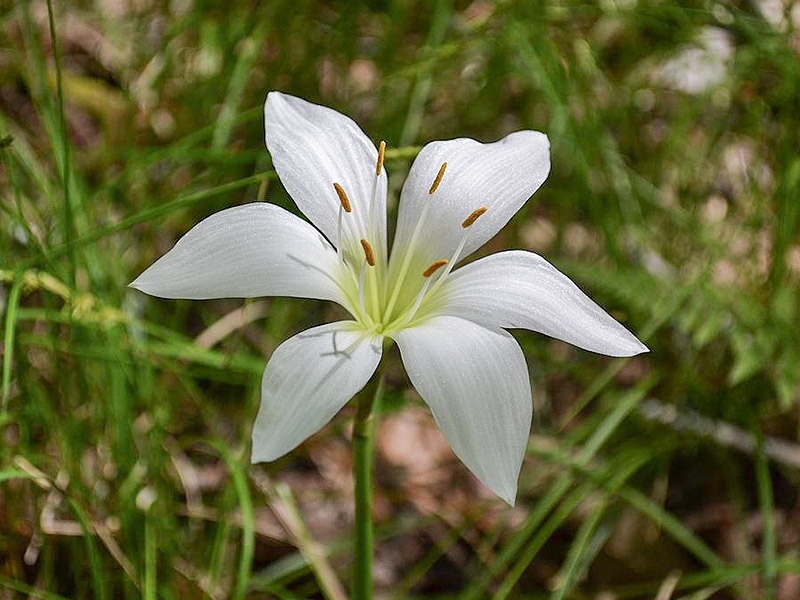
I will explain the growth characteristics, propagation methods, cultivation methods, garden uses, and major pests and diseases and their control methods for Zephyranthes atamasca. Growth Characteristics Zephyranthes atamasca is a perennial bulbous plant that blooms primarily in spring and summer. It grows to a height of about 15–30 cm and produces small, trumpet-shaped white or pink flowers. It thrives in sunny locations and prefers well-drained soil. Propagation Methods It can be propagated by bulb division or seed sowing. Bulb division is usually performed during the dormant period; the separated bulbs can be planted immediately or stored in a dry place for a while before planting. Seed sowing is done in the spring, and patience is required as germination may take some time. Cultivation Methods - Soil: It prefers well-drained, slightly acidic to neutral soil. - Watering: Avoid overwatering and water moderately. Reduce watering during the rainy season. - Sunlight: Choose a sunny location, but it tolerates partial shade. - Temperature: It thrives in warm climates, but winter protection is required in cold regions. Uses in the GardenPlanting clusters of Nadosaffron along the edges of flowerbeds or in rock gardens creates a beautiful landscape. Additionally, its diverse color combinations add vitality to the garden. Major Pests and Control Methods - Diseases: Nadosaffron is relatively resistant to disease, but root rot can occur due to excessive moisture. To prevent this, attention must be paid to drainage. - Pests: Common garden pests such as snails and slugs can be a problem. Physical removal or attractants can be used to control them. With proper care and attention, Nadosaffron atamasca will bloom beautifully and brighten up your garden.
Plant Type
Plant Family
Narcissus family
Height
15~60cm
Spread
30~60cm
Colors
white
Bloom Period
March to June
Water Needs
commonly
Exposure
Sunny
Freezing Resistance
-5°C
Nadosafran Rosea
Zephyranthes rosea
Zuctophyllum suffocate
Zeuktophyllum suppositum