English
한국어
English
Español
中文
हिंदी
Home
News
Community
Dictionary
English
한국어
English
Español
中文
हिंदी
View list
Magnolia 'Anne'
Magnolia liliiflora
'Ann'
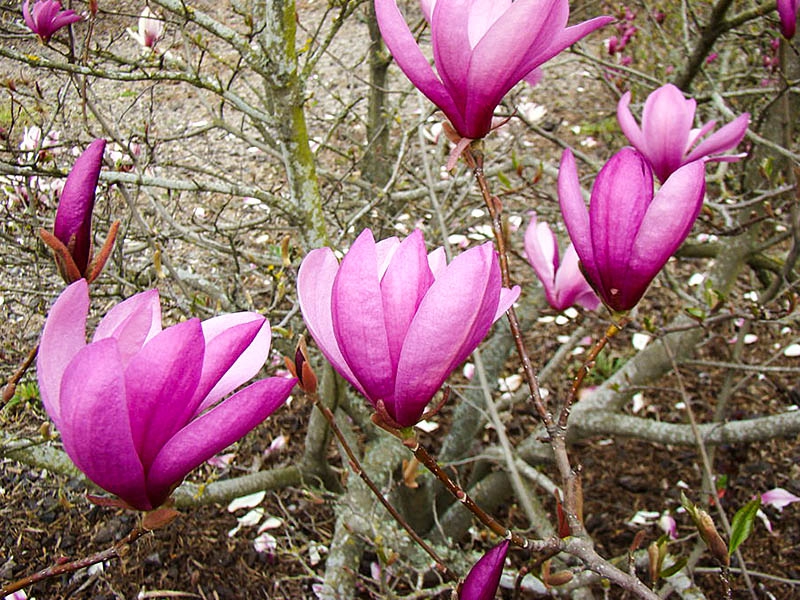
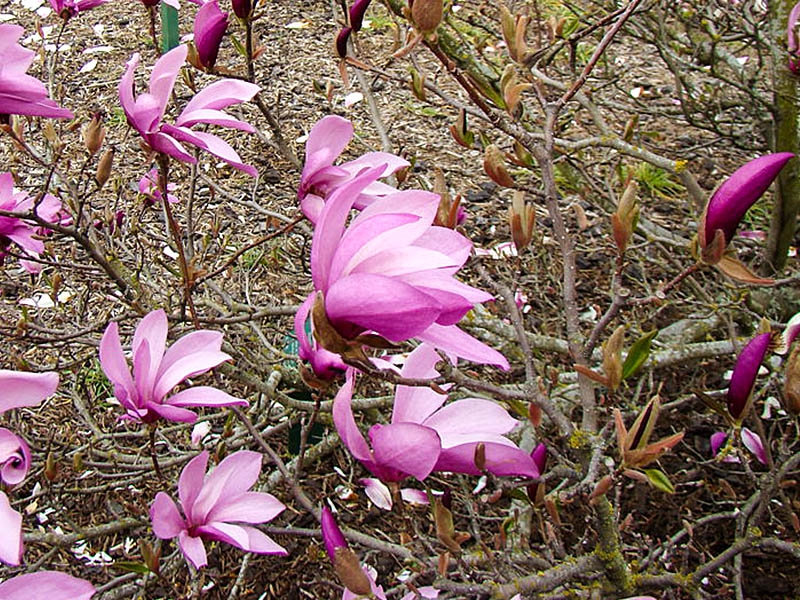
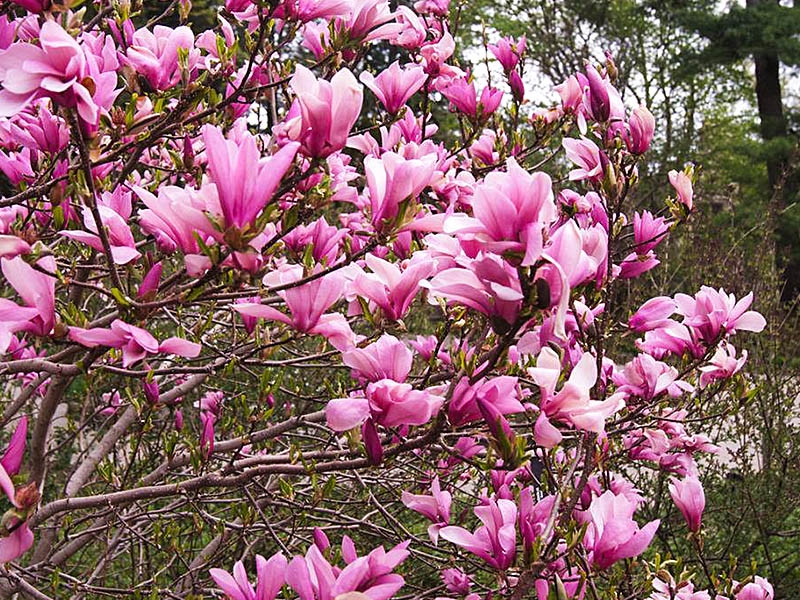
Magnolia 'Ann' (Magnolia liliiflora 'Ann') is a plant much loved in gardens for its beautiful flowers and fragrance. The following describes the growth characteristics, propagation methods, cultivation methods, garden uses, and major pests and diseases and control methods for this variety. Growth Characteristics - Size and Form: Magnolia 'Ann' grows to an average height of 3 to 4 meters and develops as a shrub. The tree shape is generally round, with dense branches. - Flowering Season: Flowers bloom in the spring, changing from purple to pink. Because it generally blooms later in spring than other magnolias, it is less susceptible to late frost damage. - Growing Conditions: It thrives in well-drained soil and can adapt to sunny locations or partial shade. Slightly acidic soil with a pH between 5.5 and 6.5 is ideal. Propagation Methods - Cuttings: It can be propagated by taking cuttings from semi-hardened branches in late summer. - Grafting: Grafting using other magnolia varieties as rootstock is also a method used. - Seed Propagation: Seeds germinate slowly, and it may take several years for the first bloom to occur. Cultivation Methods - Soil Management: It prefers well-drained soil; prepare nutrient-rich soil by adding sufficient organic matter. - Watering: Regular watering is required for the first 1 to 2 years after planting. Once the root system is established, it is generally hardy and can withstand drought for a certain period. - Fertilizer: Apply a balanced fertilizer 1 to 2 times a year, in spring and early summer. Uses in the Garden Magnolia 'Anne' is a popular choice as a focal point in gardens due to its unique flower color and shape. It can be planted alone or in groups with other flowering trees to enhance beauty. Additionally, its low height makes it well-suited for small gardens. Important Pests and Diseases and Control Methods - Diseases: Brown spots may appear on the leaves, primarily caused by excessive moisture or poor drainage. Control can be achieved by improving soil drainage and using high-quality fungicides. - Pests: Aphids or scale insects may appear. Upon early detection, control them using soapy water or organic insecticides. The above outlines the basic care tips and characteristics of the Magnolia 'Anne'. For successful cultivation, it is important to adjust care methods according to local climate conditions.
Plant Family
Magnolia family
Height
2.4~3m
Spread
2.4~3m
Colors
white, pink
Bloom Period
April~May
Water Needs
commonly
Exposure
Sunny
Freezing Resistance
-15°C
Magnolia 'Butterflies'
Magnolia
'Butterflies'
Magnolia 'Susan'
Magnolia
'Susan'