English
한국어
English
Español
中文
हिंदी
Home
News
Community
Dictionary
English
한국어
English
Español
中文
हिंदी
View list
Bernonia Paschirata
Vernonia fasciculata
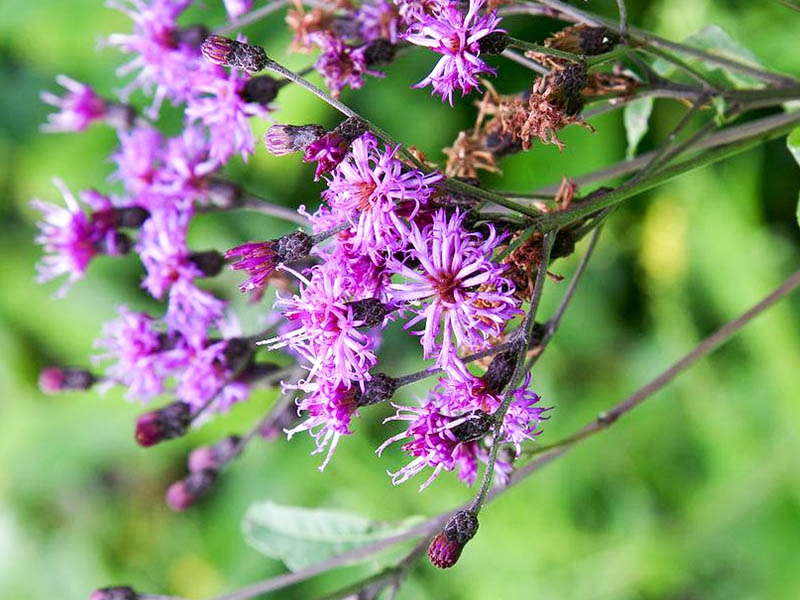
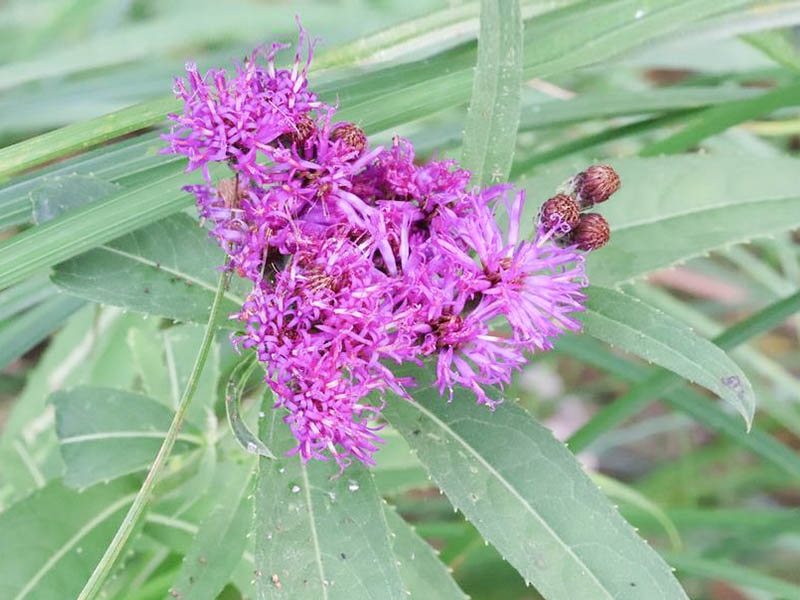
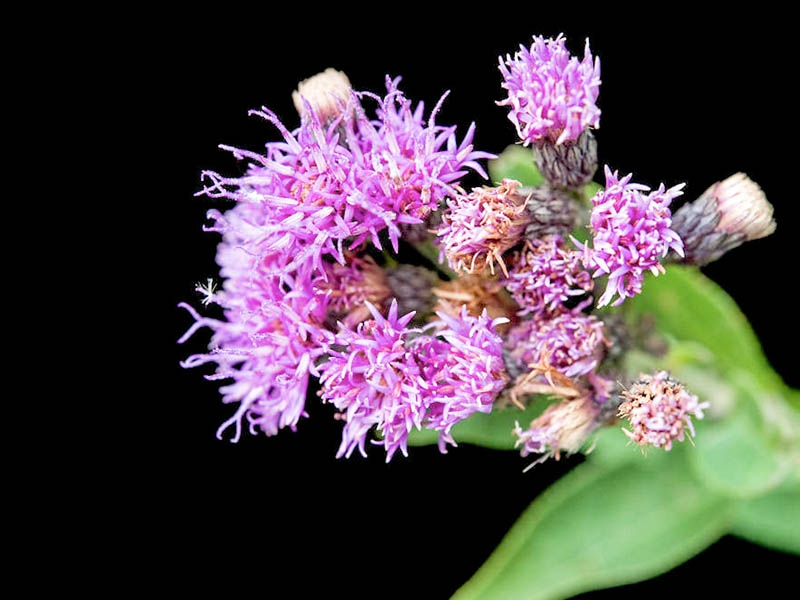
Vernonia fasciculata is a perennial herbaceous plant native to North America, commonly known as the "large purple rhododendron." The following is information regarding this plant's growth characteristics, propagation methods, cultivation techniques, garden uses, and major pests and diseases, as well as control methods. Growth Characteristics - Growing Environment: Vernonia fasciculata thrives in sunny locations and prefers well-drained soil. However, it also grows reasonably well in moist environments. - Size: It typically grows from 60 cm to 180 cm. - Flowering Period: It blooms between July and September. It is characterized by its showy purple flowers. Propagation Methods - Seed Propagation: Sow seeds indoors in the spring and transplant them into the garden in late spring. - Root Division: The plant can be propagated by dividing its roots in early spring or autumn. Root division is particularly suitable for mature plants. Cultivation Method - Soil Preparation: Prepare well-draining soil and mix in organic matter if necessary. - Watering: It likes water but is sensitive to overwatering, so it is best to keep the soil moist. - Fertilizer: No special fertilizer is required, but it is recommended to apply a small amount of all-purpose fertilizer in the spring to aid growth. Garden Use - Vernonia faciculata is tall and has showy flowers, making it excellent for planting in the back of the garden as a background plant. It is effective for landscaping, providing intense colors in the summer and autumn. Important Pests and Control Methods - Diseases: It is generally resistant to diseases, but issues such as root rot may occur under very humid conditions. - Pests: Aphids and moth larvae can cause problems. - Control Methods: - Physical Removal: Small pests can be removed by hand or washed away with water. - Chemical Insecticides: Use insecticides if necessary, but be careful not to harm the plant. - Natural Control: Natural control is possible by utilizing ladybugs, which are natural enemies of pests. Based on this information, you can successfully cultivate and manage Vernonia faciculata.
Plant Type
Plant Family
Asteraceae
Height
60~180cm
Spread
60~180cm
Colors
purple
Bloom Period
July~August
Water Needs
commonly
Exposure
Sunny
Freezing Resistance
-30°C
Bernonia Gigantia
Vernonia gigantea
Bernonia Baldwini
Vernonia baldwinii