English
한국어
English
Español
中文
हिंदी
Home
News
Community
Dictionary
English
한국어
English
Español
中文
हिंदी
View list
Horned Nandina aquifolium
Mahonia aquifolium
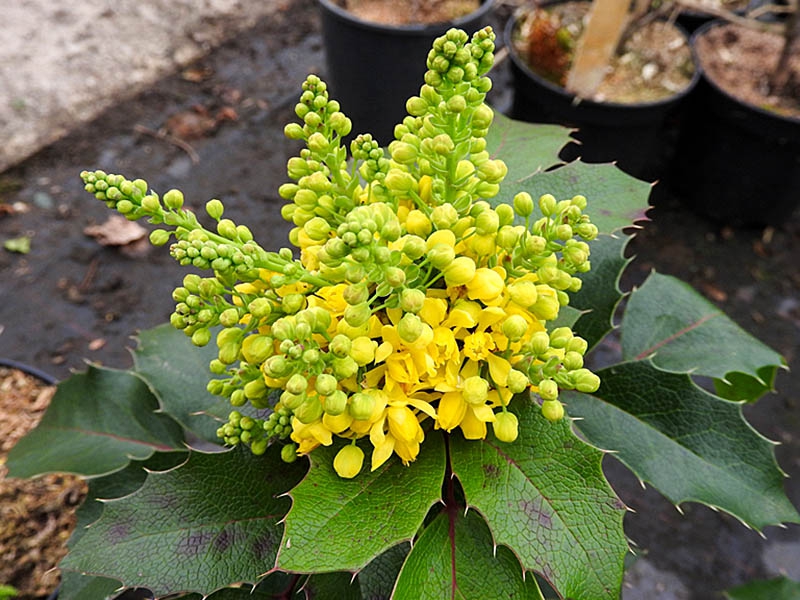
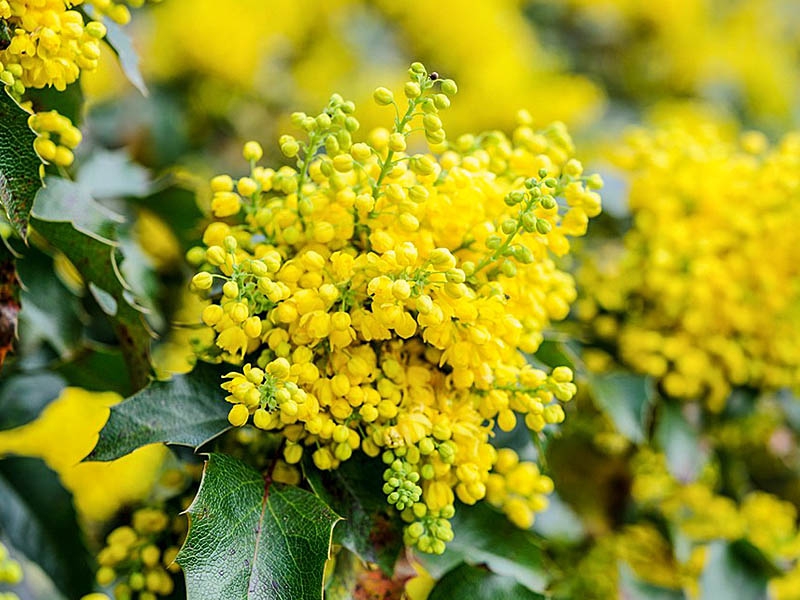
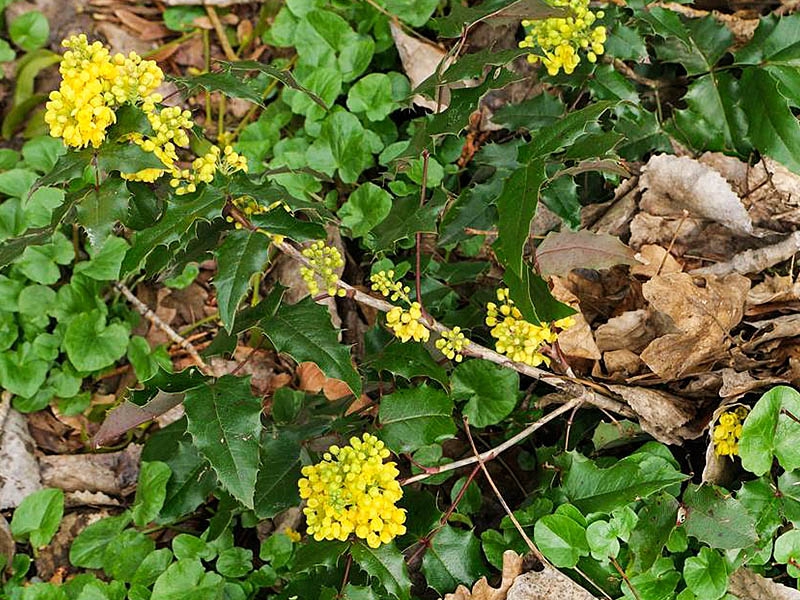
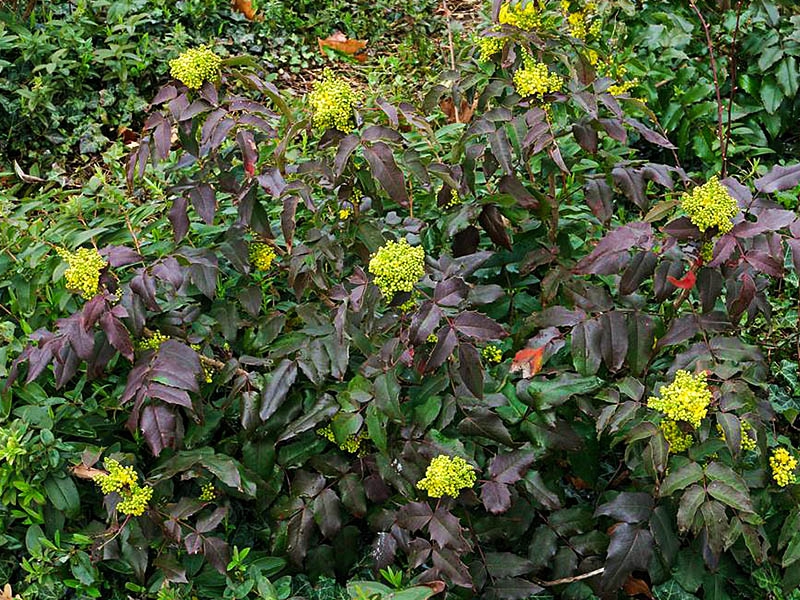
Mahonia aquifolium is an evergreen shrub native to North America that grows to a height of 1 to 2 meters. Its leaves are spiny, pinnately compound, glossy, and dark green. It blooms with yellow flowers in the spring and bears purple berries in the summer. Growth Characteristics: - Growing Environment: It thrives in partial shade and can tolerate direct sunlight. - Soil: It prefers fertile, well-drained soil. - Cold Hardiness: It possesses considerable cold hardiness and can survive below -20°C, but protection is required in extreme environments. Propagation Methods: - Seed Propagation: Collect seeds from mature berries in the autumn, let them overwinter, and sow them in the spring. - Cuttings: It can be propagated by cutting new branches in the spring or early summer. Cultivation Method: - Planting: It is best to plant in early spring or autumn, and water regularly to support early growth. - Care: Regularly provide organic fertilizer and prune as needed to maintain its shape. Garden Uses: Nandina aquifolium is popular as a landscape plant due to the unique shape and color of its stems and leaves. It is suitable for hedges or as a background plant, and its flowers and berries add various seasonal colors to the garden. Important Pests and Control Methods: - Diseases: It is resistant to most diseases, but leaf spot or fungal diseases may occur. - Pests: Insects or aphids may occur. - Control Methods: In case of pest infestation, use non-protein pesticides or remove contaminated leaves to improve ventilation. It is important to minimize pest occurrences through regular observation and preventive measures.
Plant Family
Berberidaceae
Height
90~180cm
Spread
60~150cm
Colors
yellow
Bloom Period
April~May
Water Needs
commonly
Exposure
semi-shaded area
Freezing Resistance
-20°C
Taiwanese Horned Nandina 'Ibechner'
Mahonia japonica
'Hivernant'
large crane flower
Maianthemum dilatatum