English
한국어
English
Español
中文
हिंदी
Home
News
Community
Dictionary
English
한국어
English
Español
中文
हिंदी
View list
American Somdae
Maianthemum racemosum
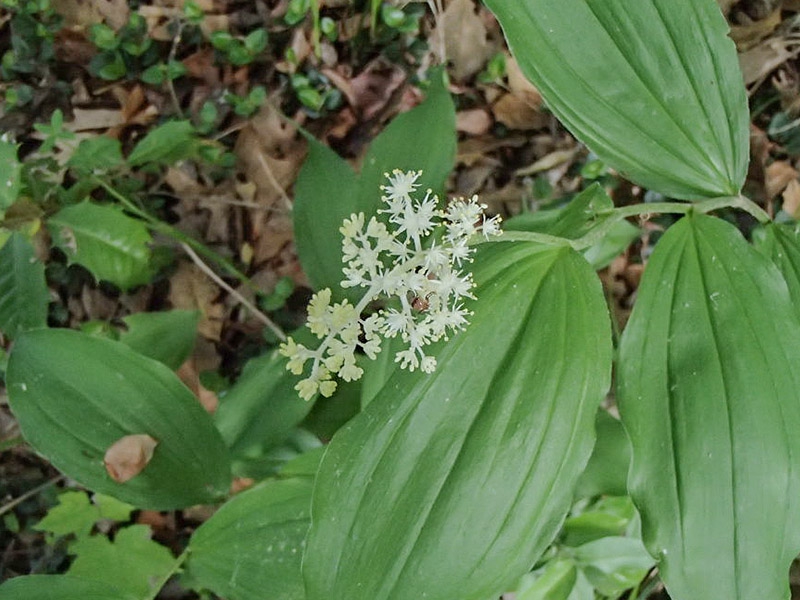
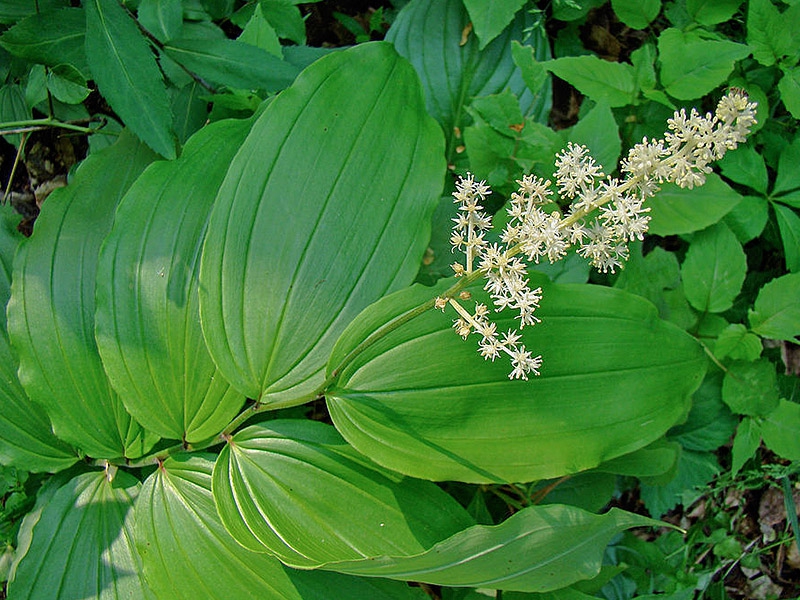
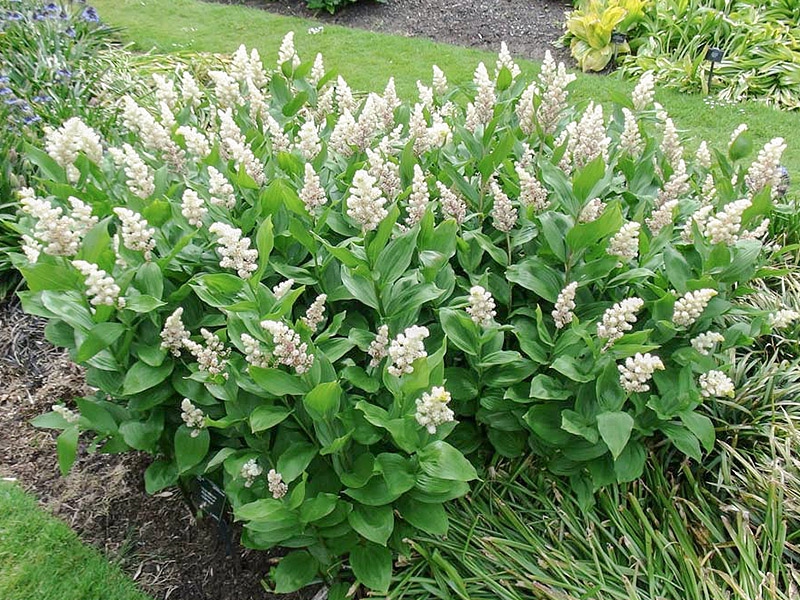
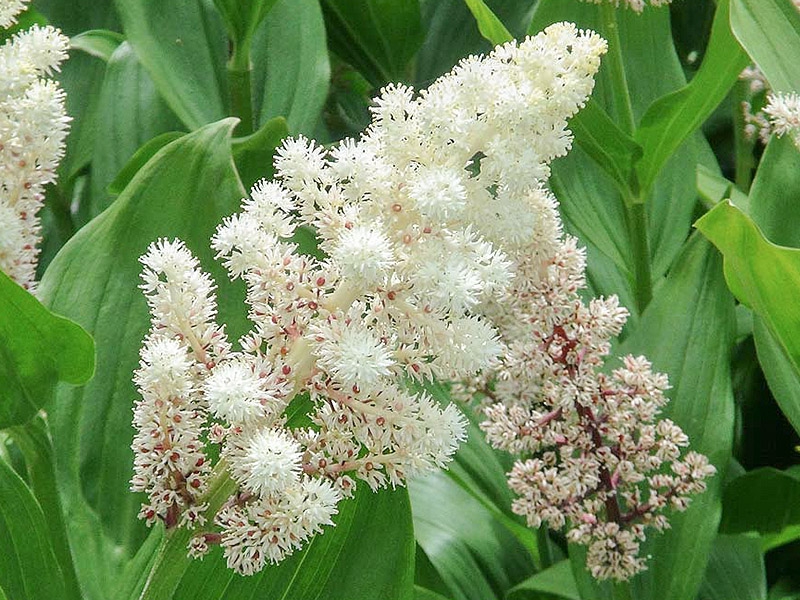
Maianthemum racemosum is a perennial plant native to the temperate regions of the Northern Hemisphere. Below is a description of this plant's growth characteristics, propagation methods, cultivation methods, garden uses, and major pests and diseases, as well as control methods. Growth Characteristics - Plant Morphology: Maianthemum grows to a height of 30–90 cm and features arch-shaped, drooping stems. - Leaves: Long, oval leaves are arranged alternately along the stems. - Flowers: Small white flowers bloom in spring and early summer, forming dense panicles (racemosum). - Fruit: Red fruits develop in late summer. Propagation Methods - Seeds: Propagation is possible by seeds; it is recommended to chill the seeds by refrigeration before sowing. - Rhizomes: Propagation can also be performed by dividing the rhizomes, which should be done in spring or autumn. Cultivation Method - Soil: It thrives in fertile, well-drained soil. - Location: It grows well in partial shade; it is best to avoid direct sunlight. - Watering: Water consistently to keep the soil from drying out, but be careful not to overwater. Garden Uses - Ornamental: The cranesbill is suitable as a ground cover in shaded gardens and can create a natural atmosphere. - Natural Landscape: It fits well in wildflower gardens or forest gardens. Important Pests and Control Methods - Diseases: It is generally resistant to diseases, but root rot may occur if it becomes waterlogged. Proper drainage is important. - Pests: It can be damaged by snails and slugs, so control them by installing a physical barrier or using attractants. With this information, you will be able to properly care for and utilize the cranesbill racemosum.
Plant Family
Broom family
Height
30~90cm
Spread
30~60cm
Colors
white
Bloom Period
April~May
Water Needs
commonly
Exposure
semi-shaded area
Freezing Resistance
-30°C
Stellatum
Maianthemum stellatum
Canadella canadella
Maianthemum canadense