English
한국어
English
Español
中文
हिंदी
Home
News
Community
Dictionary
English
한국어
English
Español
中文
हिंदी
View list
Acerola Emaginata
Malphigia emaginata
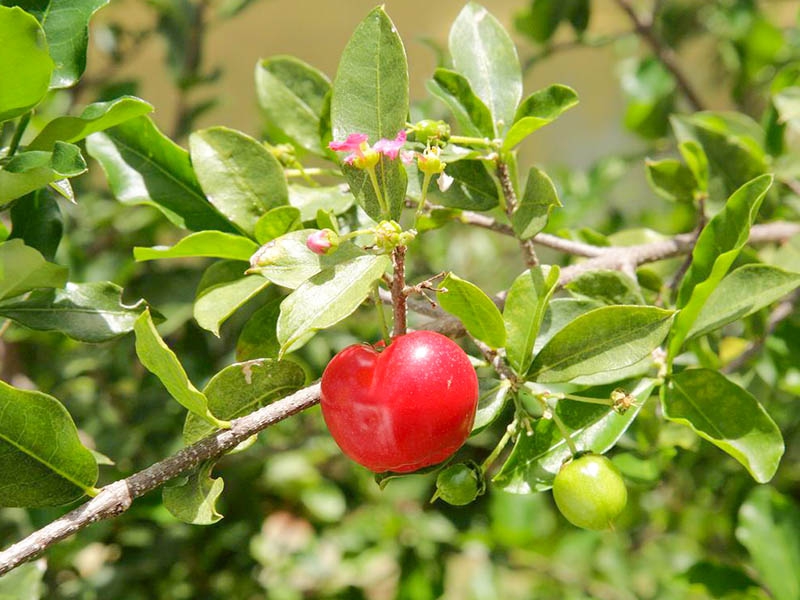
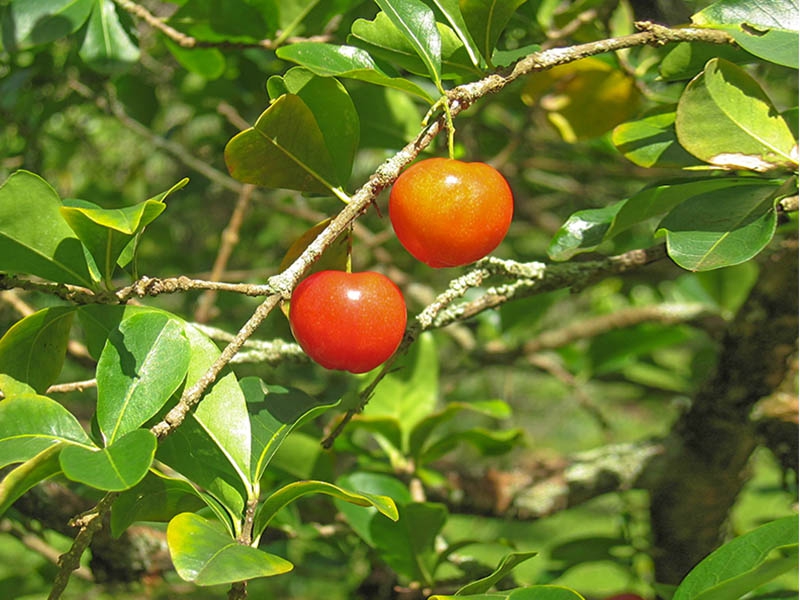
Acerola emarginata (Malphigia emarginata) is a shrub native to tropical and subtropical regions, primarily known for its fruit which is high in Vitamin C. The following describes the growth characteristics, propagation methods, cultivation techniques, garden uses, and important pests and diseases, as well as control methods. Growth Characteristics - Climate: It thrives in tropical and subtropical climates and prefers warm, humid environments. - Soil: It grows well in well-drained soil. Soil with a slightly acidic to neutral pH is suitable. - Sunlight: It requires plenty of sunlight, and it is recommended to receive at least 6 hours of direct sunlight per day. - Temperature: It exhibits optimal growth at temperatures between 15 and 30 degrees Celsius. Propagation Methods - Seeds: It can be propagated by seeds, but continuous care is required due to the low germination rate. - Cuttings: Generally, propagation by cuttings is more effective. Cut a healthy branch and allow it to root in water or soil. Cultivation Methods - Planting: Start in a small pot initially, and transplant into a larger pot once the roots have grown. - Watering: Water thoroughly only after the soil has dried completely. Excessive watering can cause root rot. - Fertilization: During the growing season, apply a compound fertilizer containing nitrogen, phosphorus, and potassium at regular intervals. - Pruning: Prune to maintain the tree's shape and remove diseased branches. Uses in the Garden - Ornamental: Acerola is popular as an ornamental plant due to its small, pretty flowers and fruit. It is excellent for planting in gardens or on terraces. - Harvesting: Acerola fruit is high in Vitamin C and is used as a health food, as well as an ingredient for juice, jam, and jelly. Important Pests and Control Methods - Diseases: Fungal diseases such as root rot may occur. Ensure good drainage and immediately remove any diseased parts. - Pests: Watch out for leaf-eating pests and aphids. You can use pesticides periodically or natural extracts for organic control (e.g., neem oil). With consistent care and proper environmental conditions, acerola grows healthily and allows for fruit harvesting.
Plant Family
Malpighian
Height
3~6m
Colors
pink
Bloom Period
April to October
Water Needs
commonly
Exposure
Sunny
Freezing Resistance
-5°C
Euonymus
Mallotus japonicus
apple tree
Malus pumila