English
한국어
English
Español
中文
हिंदी
Home
News
Community
Dictionary
English
한국어
English
Español
中文
हिंदी
View list
Improved apple tree 'Macintosh'
Malus domestica
'McIntosh'
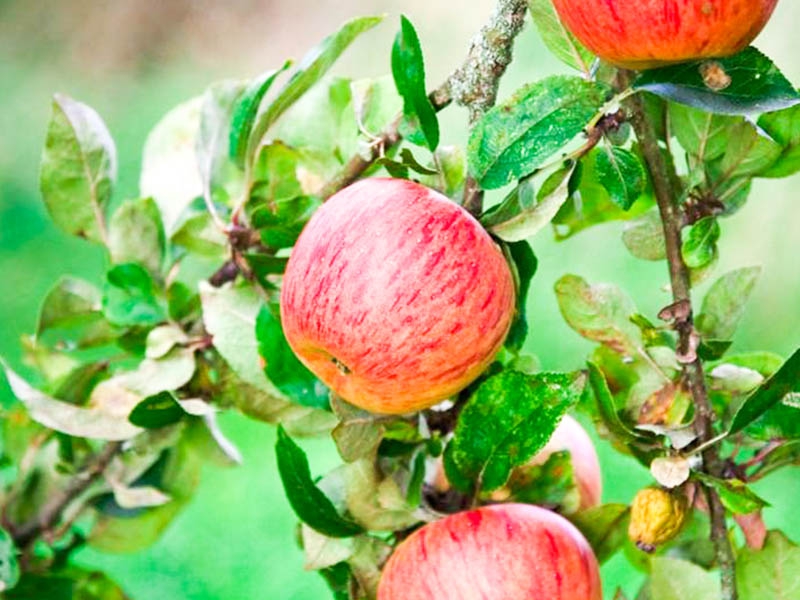
Improved Apple Tree 'McIntosh' (Malus domestica 'McIntosh') - Growth Characteristics: - The McIntosh apple tree primarily grows into a medium-sized tree. - The leaves are dark green, and beautiful white flowers bloom in the spring. - The fruit is typically medium-sized, with a skin that is bright red and green. - The taste is sweet with a slight tartness, so it is mainly eaten raw or used in cooking. - Propagation Methods: - It is commonly propagated by grafting. - Grafting results in faster and more stable growth compared to other apple tree varieties. - Propagation is easier when using young saplings. - Cultivation Methods: - It must be grown in a sunny location. - Suitable soil with adequate drainage and a neutral to slightly acidic pH is ideal. - Provide sufficient water during the summer, and maintain a somewhat dry condition during the winter. - Pruning is performed annually to maintain the tree's shape and improve light and air circulation. - Use in the Garden: - The Macintosh apple tree is aesthetically beautiful in itself. - As a medium-sized tree, it is suitable for horticulture and home gardens. - The flowering season and the ripening process of the apples add a variety of colors to the garden. - Major Pests and Control Methods: - Diseases: It is mainly susceptible to scab and pink mold. To prevent this, it is important to use appropriate fungicides and prune diseased branches. - Pests: Aphids and powdery mildew are common problems. To combat them, early detection and the use of appropriate insecticides are essential. - Regular monitoring and preventive treatment are important for pest control.
Plant Family
Rosaceae
Height
3.6~4.5m
Spread
3.6~4.5m
Colors
white, pink
Bloom Period
March to April
Water Needs
commonly
Exposure
Sunny
Freezing Resistance
-30°C
Improved apple tree 'Pink Lady'
Malus domestica
'Pink Lady'
Improved apple tree 'Rodi'
Malus domestica
'Lodi'