English
한국어
English
Español
中文
हिंदी
Home
News
Community
Dictionary
English
한국어
English
Español
中文
हिंदी
View list
Island tail grass
Pseudolysimachion nakaianum
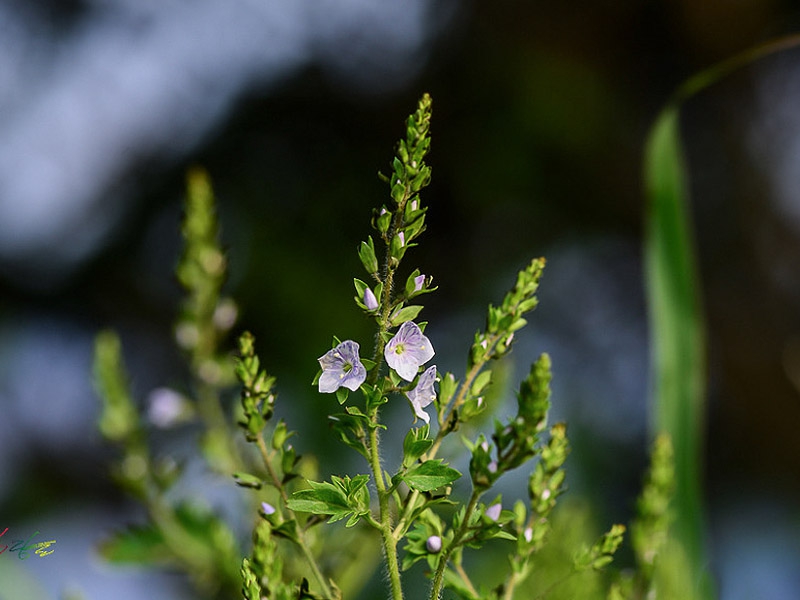
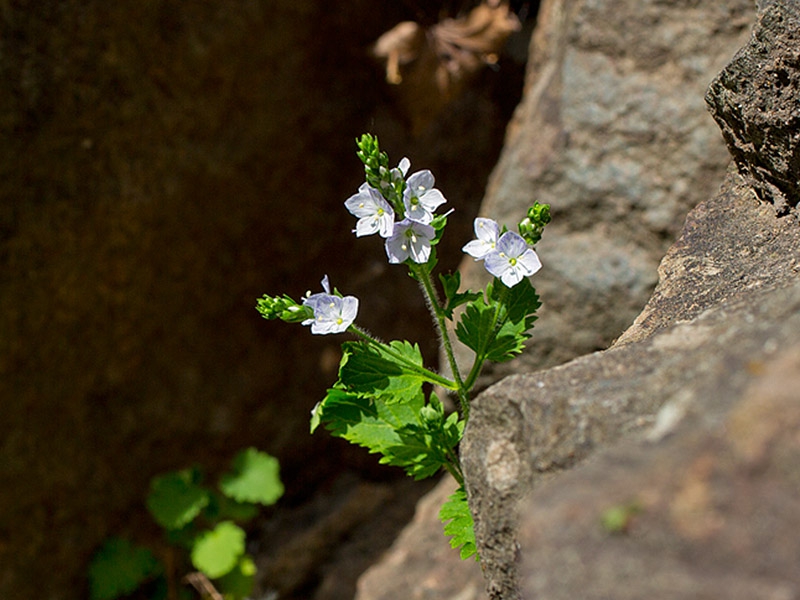
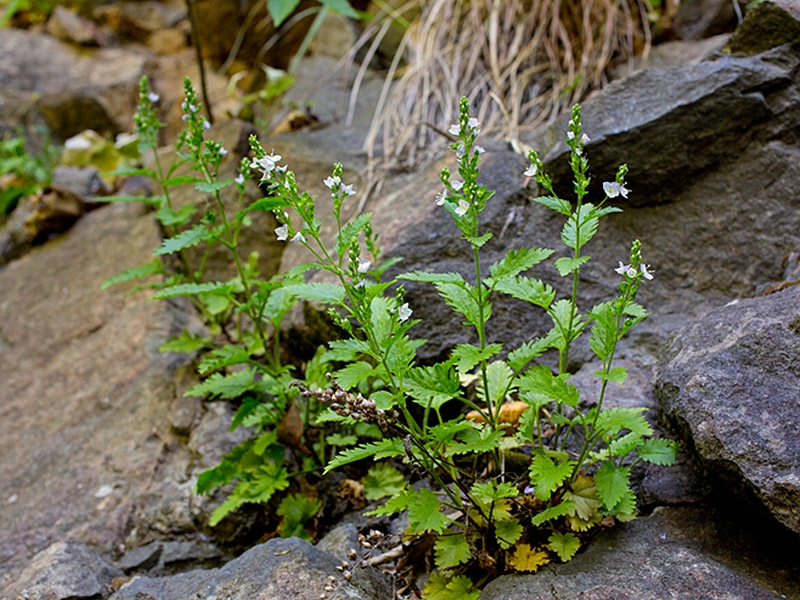
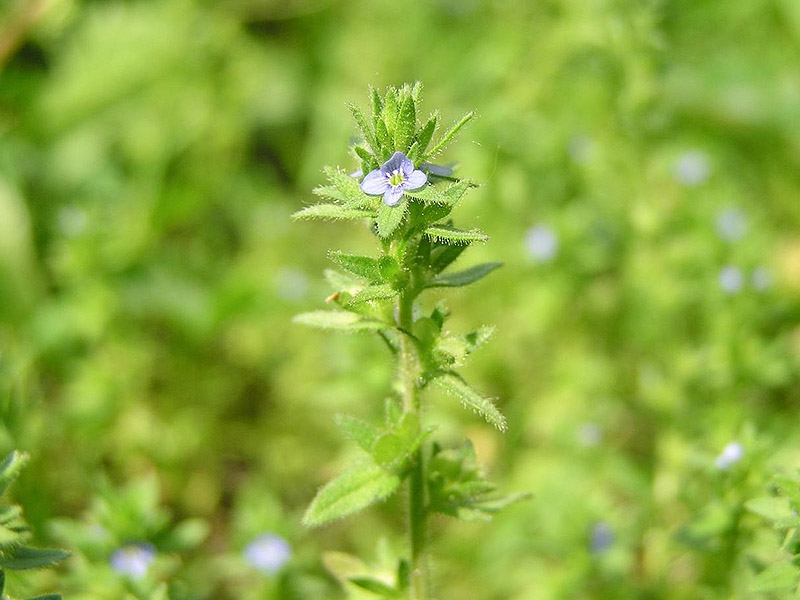
Growth Characteristics Pseudolysimachion nakaianum is a perennial herbaceous plant primarily distributed in the southern part of the Korean Peninsula that thrives in humid environments. It grows to a height of approximately 30–60 cm and produces blue-purple flowers during the summer. It grows healthily in sunny locations and prefers well-drained soil. Propagation Methods - Seed Propagation: It can be propagated by sowing seeds in the spring. The germination rate is relatively high, but consistent humidity and temperature are required. - Division Propagation: Mature plants can be easily propagated by dividing them in the spring or autumn. Division is even more effective in hot and humid environments. Cultivation Methods - Soil: It grows well in well-drained soil. Neutral to slightly acidic soil acidity is suitable. - Watering: Care must be taken to avoid overwatering; maintain adequate moisture in a well-drained environment. - Fertilizer: Using compound fertilizer in the spring can promote growth. Use in Gardens Tailgrass is suitable for planting in gardens as an ornamental plant. Its beautiful flower colors and shapes enhance the landscape. It can be used for group planting or as a boundary plant, and it helps maintain ecological balance by attracting bees and butterflies. Important Pests and Diseases and Control Methods - Diseases: Although generally resistant to disease, root rot may occur if the plant is excessively wet for a long period. To prevent this, improve drainage and use fungicides if necessary. - Pests: While insect damage is rare, brown spot disease may occasionally occur on the leaves. In this case, control it using appropriate insecticides and fungicides. To prevent pests and diseases, it is important to maintain a healthy growing environment along with periodic observation.
Plant Type
Plant Family
Scrophulariaceae
Height
30cm
Spread
Colors
blue
Bloom Period
June~July
Water Needs
commonly
Exposure
semi-shaded area
Freezing Resistance
-20°C
large dog's testicles
Veronica persica
long-tailed mountain grass
Pseudolysimachion longifolium