English
한국어
English
Español
中文
हिंदी
Home
News
Community
Dictionary
English
한국어
English
Español
中文
हिंदी
View list
long-tailed mountain grass
Pseudolysimachion longifolium
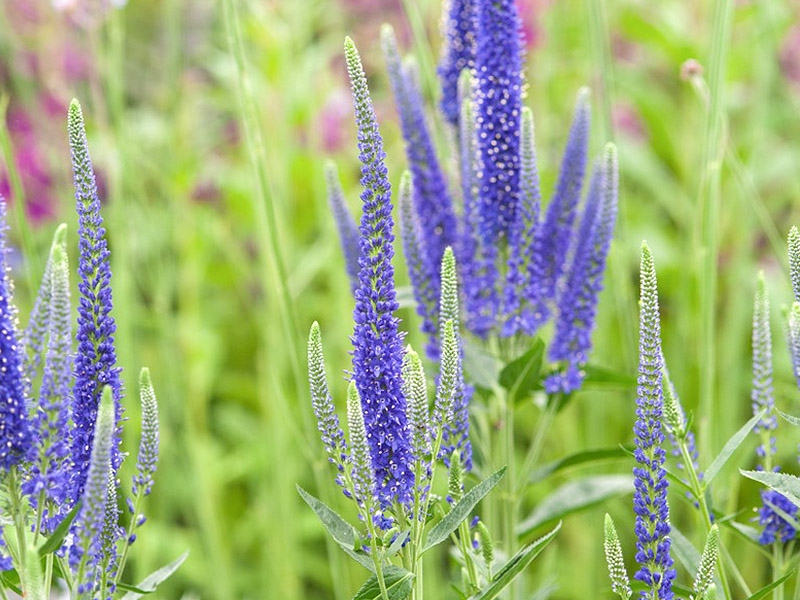
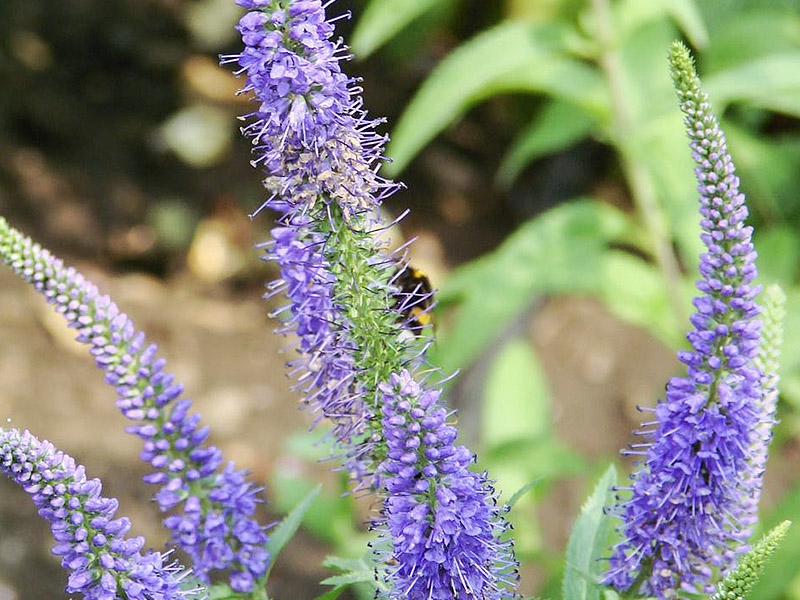
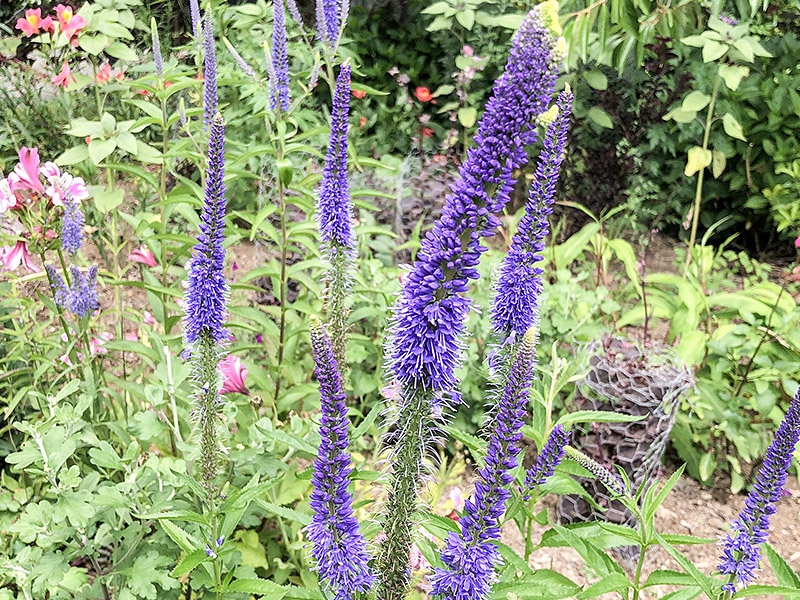
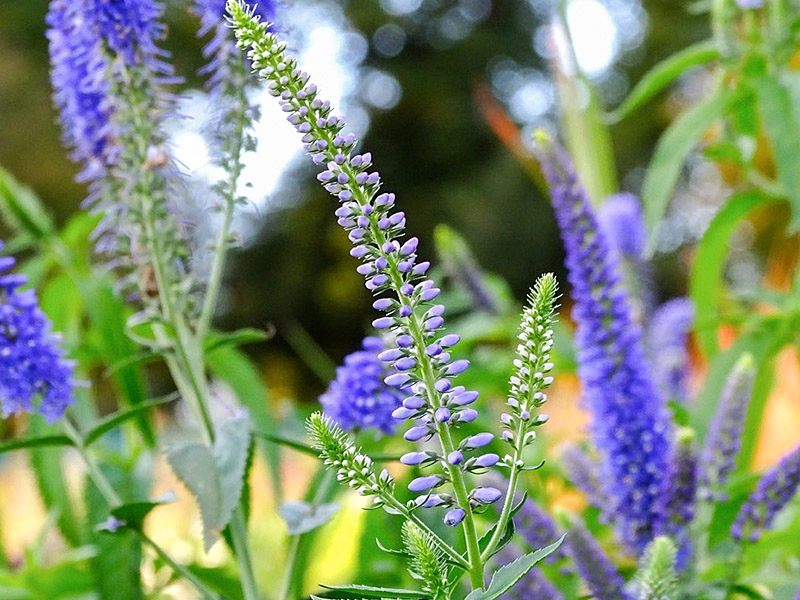
Pseudolysimachion longifolium is a perennial herbaceous plant native to East Asia, including Korea. Its growth characteristics, propagation methods, cultivation methods, garden uses, and pest and disease control methods are as follows: Growth Characteristics - Growth Environment: Pseudolysimachion longifolium thrives in sunny locations and prefers well-drained soil. - Size and Shape: It typically grows to a height of 50–100 cm. The stems stand upright, and the leaves are long, slender, and slightly pointed at the tips. - Flowering Period: Blue flowers usually bloom between July and August. It is characterized by long flower stalks and densely packed flowers. Propagation Methods - Seed Propagation: It can be propagated by sowing seeds in the spring. Germination takes approximately 2–3 weeks after sowing, and the germination rate is higher in well-drained environments. - Division Propagation: It can also be propagated by dividing the roots. This method is primarily performed on mature plants, and it is recommended to try it in spring or autumn. Cultivation Method - Soil: Fertile, well-drained soil is suitable. It grows well in acidic to neutral soil conditions. - Watering: Be careful not to overwater; it is best to water thoroughly after the soil has dried out. - Fertilizer: Applying organic fertilizer or slow-release fertilizer in the spring can aid growth. Uses in the Garden Long-tailed Mountain Grass is widely used in gardens due to its high ornamental value. Especially during the summer flowering season, its unique colors and shapes make it a focal point in the garden, and when arranged harmoniously with other plants, it creates a beautiful landscape. Important Pests and Diseases & Control Methods - Diseases: Fungal diseases, mainly affecting the leaves, may occur. To prevent this, it is recommended to provide a well-ventilated environment and periodically spray pesticides. - Pests: Pests such as aphids or mites may appear; control them using insecticides immediately upon discovery. Long-tailed mountain grass is relatively easy to care for, but with the right environment and care, it can be grown into an even healthier and more beautiful plant.
Plant Type
Plant Family
Scrophulariaceae
Height
60~120cm
Spread
Colors
blue, purple
Bloom Period
July~August
Water Needs
commonly
Exposure
semi-shaded area
Freezing Resistance
-30°C
Island tail grass
Pseudolysimachion nakaianum
Dog's testicles
Veronica polita