English
한국어
English
Español
中文
हिंदी
Home
News
Community
Dictionary
English
한국어
English
Español
中文
हिंदी
View list
Dog's testicles
Veronica polita
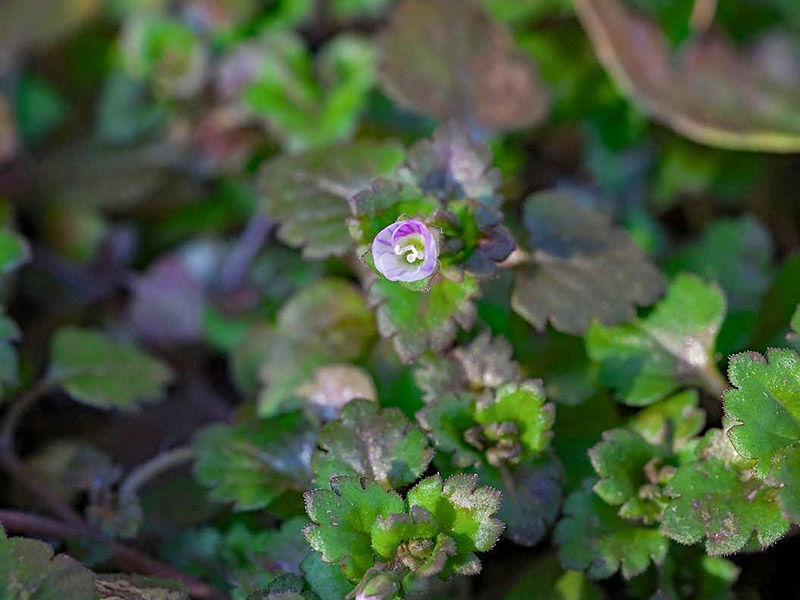
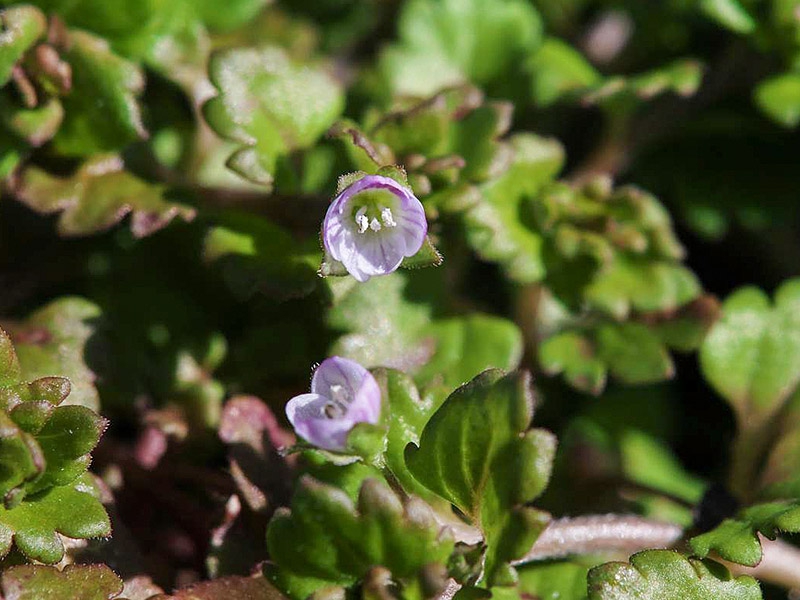
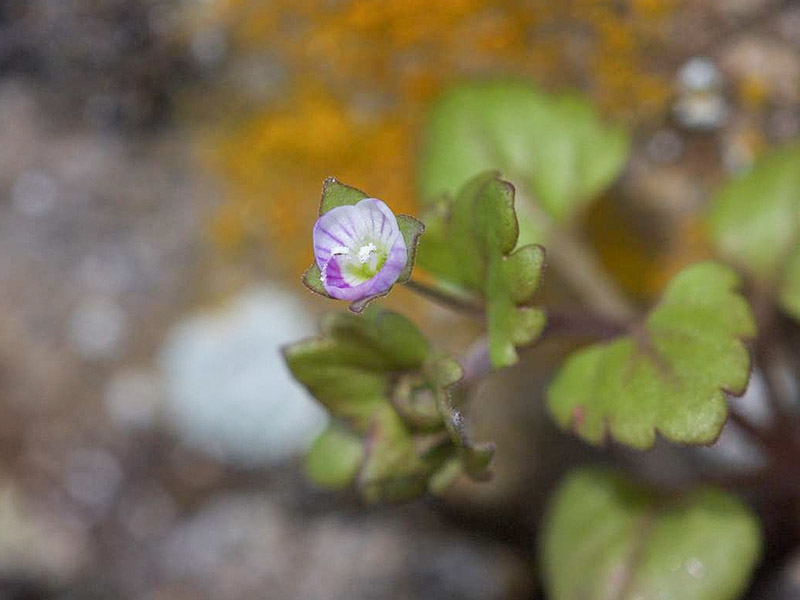
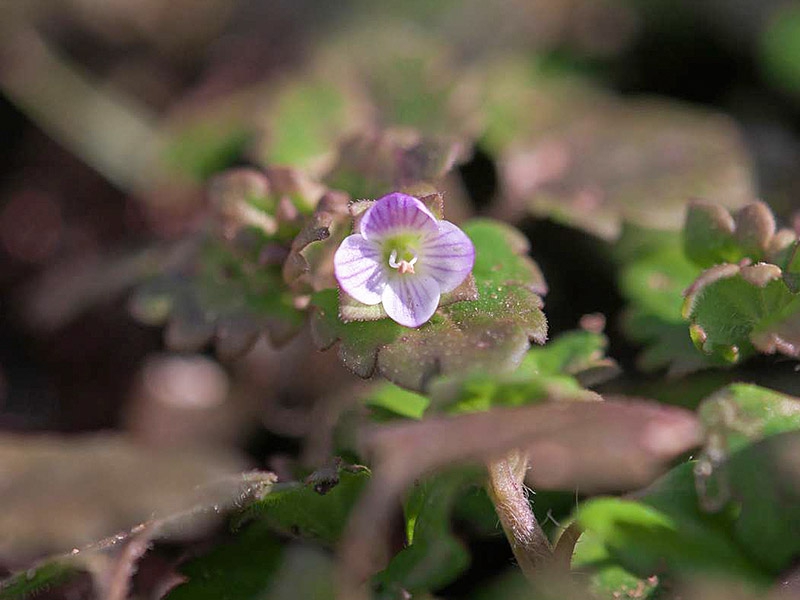
Veronica didyma var. lilacina is primarily characterized by the following growth characteristics, propagation methods, cultivation methods, and garden use. Growth Characteristics - Ecological Environment: It grows naturally mainly in temperate regions and thrives in sunny locations. - Soil: It prefers well-drained soil and grows even better in fertile soil. - Features: It is evergreen and is widely used as an ornamental plant due to its beautiful leaves and flowers. Propagation Methods - Seeds: It can be propagated using Veronica didyma seeds. Seeds can be sown directly in spring or early summer, or germinated indoors and then transplanted. - Cuttings: A stem can be cut and rooted in well-draining sand or perlite. Cultivation Methods - Watering: Be careful not to overwater; water only when the soil becomes dry. - Fertilizer: During the growing season, you can provide additional nutrients by applying a small amount of liquid fertilizer. - Pruning: Pruning as needed helps maintain shape and regulate density. Uses in the Garden - Uses: Primarily used for garden edges, flower beds, or rock gardens due to its attractive small flowers. - Artificial Planting: Can be planted mixed with other flowering plants and creates harmony with flowers of various colors. Important Pests and Control Methods - Diseases: Diseases such as fungal diseases may occur, so avoid improper watering or environments with poor ventilation. - Pests: Pests such as aphids may occur; to prevent this, inspect the plant periodically and use insecticides if necessary. - Control: Environmentally friendly methods, such as washing with water or using soapy water for early control, can be effective. The information above will help you grow and care for the healthy Veronica didymata var. lilaquina.
Plant Type
Plant Family
Scrophulariaceae
Height
5~30cm
Spread
Colors
purple
Bloom Period
May~June
Water Needs
commonly
Exposure
semi-shaded area
Freezing Resistance
-10°C
long-tailed mountain grass
Pseudolysimachion longifolium
Veronica persica
Veronica arvensis