English
한국어
English
Español
中文
हिंदी
Home
News
Community
Dictionary
English
한국어
English
Español
中文
हिंदी
View list
Busan tail grass
Pseudolysimachion pusanensis
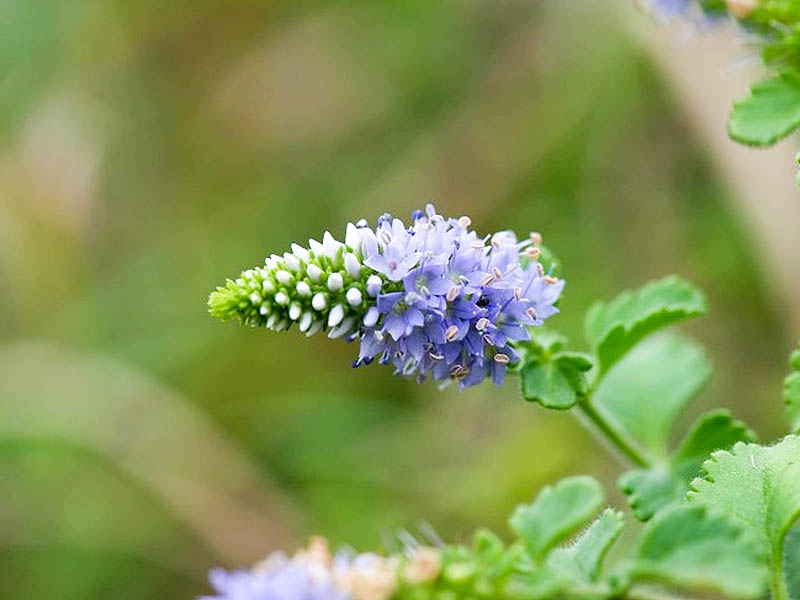
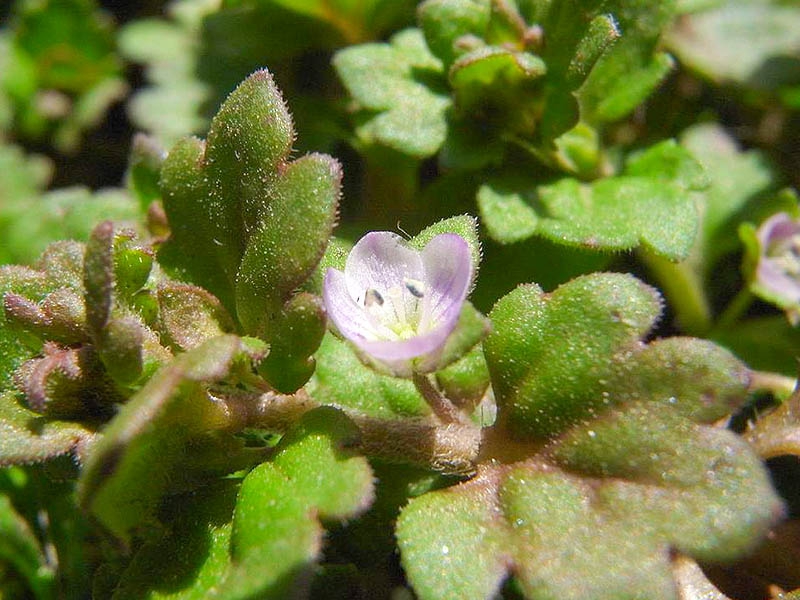
Pseudolysimachion pusanensis is a plant native to Korea, a perennial herbaceous plant that grows primarily along coastlines and in mountainous areas. The following is information regarding the growth characteristics, propagation methods, cultivation methods, garden uses, and major pests and diseases and control methods of Pseudolysimachion pusanensis. Growth Characteristics - Environment: Pseudolysimachion pusanensis prefers sunny locations with good drainage. It thrives in relatively dry environments and has good cold tolerance. - Soil: It grows well in fertile, well-drained soil and is adaptable to acidic soil. - Growth: It reaches a height of approximately 30–60 cm and blooms with pale blue or purple flowers from summer to autumn. Propagation Methods - Seed Propagation: Seeds are sown in the spring; to increase germination rates, they should be germinated in a location away from direct sunlight. - Division: It can be propagated by dividing the root system in early spring or autumn. Plant the divided plants immediately and manage them. Cultivation Method - Water Management: Be careful of overwatering; water as needed but avoid excessive watering. - Fertilizer: It is best to apply an appropriate amount of fertilizer in the spring when growth begins. Phosphorus fertilizer, in particular, helps with flower development. - Pruning: In winter or early spring, cut off dead leaves or branches to improve ventilation and maintain a beautiful shape. Uses in GardensBusan-tailed grass is widely planted in gardens as an ornamental plant due to its beautiful flowers. Planting it alongside flowers of the Asteraceae family can create a harmonious landscape. It is suitable for use in street flowerbeds, riversides, and parks. Important Pests and Control Methods - Diseases: Busan-tailed grass is rarely susceptible to specific diseases; however, leaf blight or gray mold may occur during the rainy season or when humidity is high. - Control: Remove diseased parts, ensure good ventilation, and use appropriate fungicides if necessary. - Pests: Leaf beetles or aphids may occur. - Control: Control by physically removing them or using eco-friendly insecticides. Busan-tailed grass is relatively easy to care for and boasts beauty, making it useful in various garden environments.
Plant Type
Plant Family
Scrophulariaceae
Height
20cm
Spread
Colors
blue
Bloom Period
July–August
Water Needs
commonly
Exposure
Sunny
Freezing Resistance
-30°C
Large-tailed grass
Pseudolysimachion pyrethrinum
Munmocho
Veronica peregrina