English
한국어
English
Español
中文
हिंदी
Home
News
Community
Dictionary
English
한국어
English
Español
中文
हिंदी
View list
mango
Mangifera indica
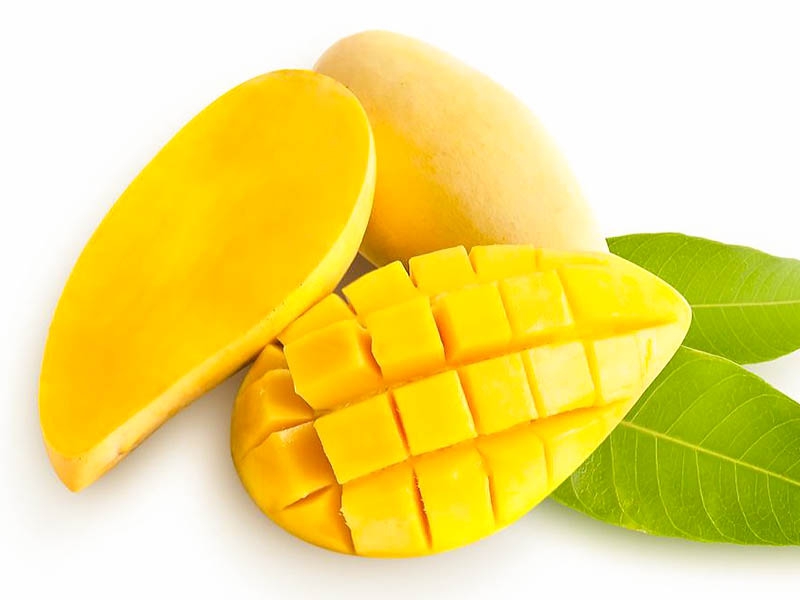
I will explain the growth characteristics, propagation methods, cultivation methods, garden uses, and major pests and diseases and control methods of Mango Indica (Mangifera indica). Growth Characteristics Mangoes thrive in tropical and subtropical regions and prefer high temperatures and humid environments. They require plenty of sunlight and grow well in well-drained soil. Generally, mango trees can grow up to 10 to 20 meters tall, with a lifespan of approximately 40 to 100 years. Propagation Methods Mangoes can primarily be propagated through seeds and grafting. Seed propagation is easy and inexpensive, but genetic variations can occur, which may result in inconsistent quality. On the other hand, grafting is commercially preferred as it allows for obtaining desired mango varieties with consistent characteristics. Cultivation Methods - Soil Preparation: It is important to plant in well-drained soil. - Planting: Seeds should be planted at a depth of 2 to 3 cm, while grafted seedlings should be planted with the roots parallel to the soil surface. 3. Watering: In the early stages, provide sufficient water to help the roots establish themselves, but avoid overwatering. - Fertilization: Apply nitrogen fertilizer during the initial growth stage, and then phosphorus and potassium fertilizers thereafter. - Pruning: Regular pruning is necessary to maintain a healthy tree structure and improve fruit quality. Uses in the GardenMango trees provide large, lush shade, making them excellent for creating resting spaces in the garden. Additionally, their colorful flowers and delicious fruit make them popular for both ornamental and edible purposes. Important Pests and Diseases & Control Methods - Diseases: - Anthracnose: This disease primarily causes black spots on the fruit, leaves, and branches. Regular use of copper-based fungicides is a control measure. - Root Rot: Improving soil drainage and pruning infected parts helps with control. - Pests: - Mango Moth: Moth larvae feed on the fruit. Control methods include installing pheromone traps or using insecticides. - Aphids: They leave a sticky substance on the leaves, and in severe cases, the leaves dry up and die. They can usually be easily removed with soapy water, but insecticides are used in severe cases. Based on this information, you can effectively cultivate and manage Mango Indica.
Plant Family
Anacardiaceae
Height
30~35m
Colors
white
Bloom Period
January to April
Water Needs
commonly
Exposure
Sunny
Freezing Resistance
-1°C
Mangabe 'Desert Dragon'
Mangave hybrid
'Desert Dragon'
cassava
Manihot esculenta