English
한국어
English
Español
中文
हिंदी
Home
News
Community
Dictionary
English
한국어
English
Español
中文
हिंदी
View list
Hohound
Marrubium vulgare
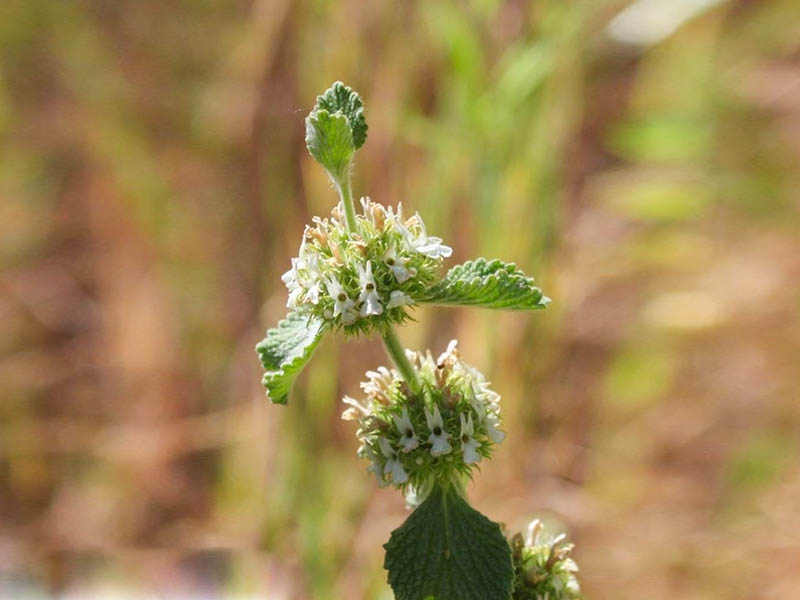
I will explain the growth characteristics, propagation methods, cultivation methods, garden uses, and major pests and diseases and control methods of Marrubium vulgare. Growth Characteristics Marrubium vulgare is a perennial herb native primarily to Europe and Western Asia. It prefers dry, sunny environments and grows relatively well even in poor soil. It grows to a height of approximately 30 to 60 cm and produces small white or light purple flowers. The leaves are silvery-green with a wrinkled surface. Propagation MethodsMarrubium vulgare is primarily propagated by seeds. Seeds can be sown directly outdoors in the spring or germinated indoors and then transplanted. Propagation is also possible through root division. Simply divide the roots of a mature plant to separate it into multiple individuals for planting. Cultivation MethodsMarrubium vulgare should be planted in well-drained soil, and overly humid environments should be avoided. It thrives in sunny locations and requires regular watering, though overwatering should be avoided. Organic fertilizers should be applied in the spring, and no special fertilizers are needed otherwise. Uses in the GardenHoehounds are primarily used as medicinal plants for digestive health and cough relief. They are commonly planted in herb gardens or natural gardens, and their subtle fragrance blends well with other plants. Important Pests and Control MethodsHoehounds are relatively resistant to pests and diseases, but they may occasionally be susceptible. Major pests include aphids and spider mites; these can be controlled by using natural insecticides or by removing the pests directly. Diseases such as root rot can be prevented by avoiding overwatering. If the plant becomes diseased, it is recommended to cut off the affected area and disinfect it. Based on these characteristics, proper care of Hoehounds can maintain a healthy and robust plant.
Plant Family
Lamiaceae
Height
20∼50cm
Colors
white
Bloom Period
June–July
Water Needs
commonly
Exposure
Sunny
Freezing Resistance
-20°C
Baekgungak Cactus
Marginatocereus marginatus
Na Do-eun-jo-rong
Marsdenia tomentosa