English
한국어
English
Español
中文
हिंदी
Home
News
Community
Dictionary
English
한국어
English
Español
中文
हिंदी
View list
large water chrysanthemum
Veronica anagallis-aquatica
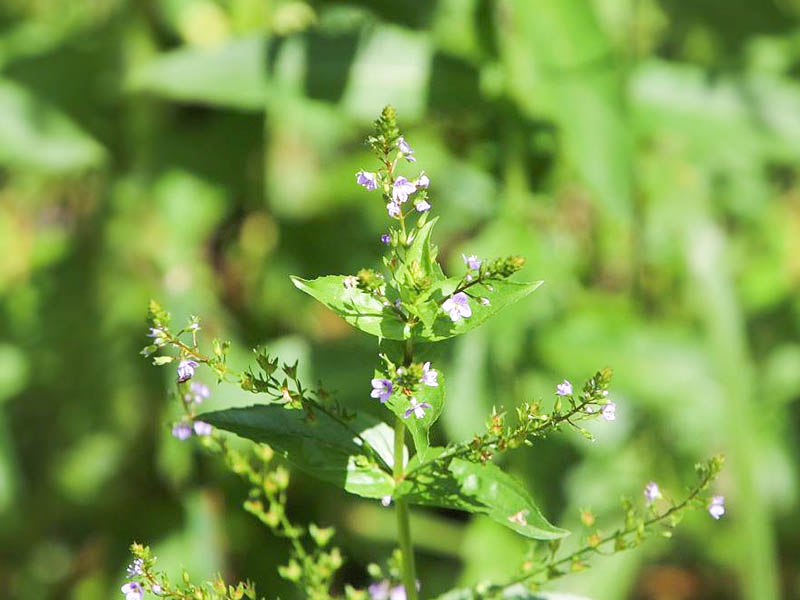
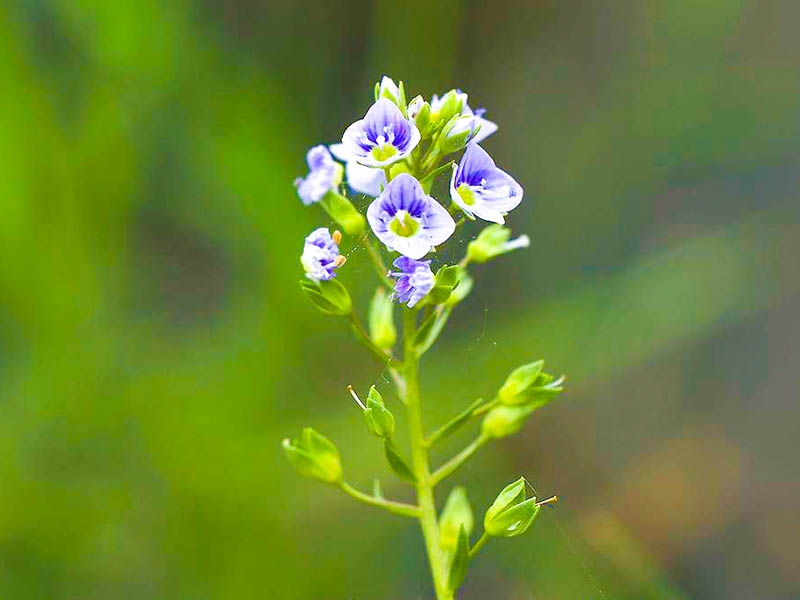
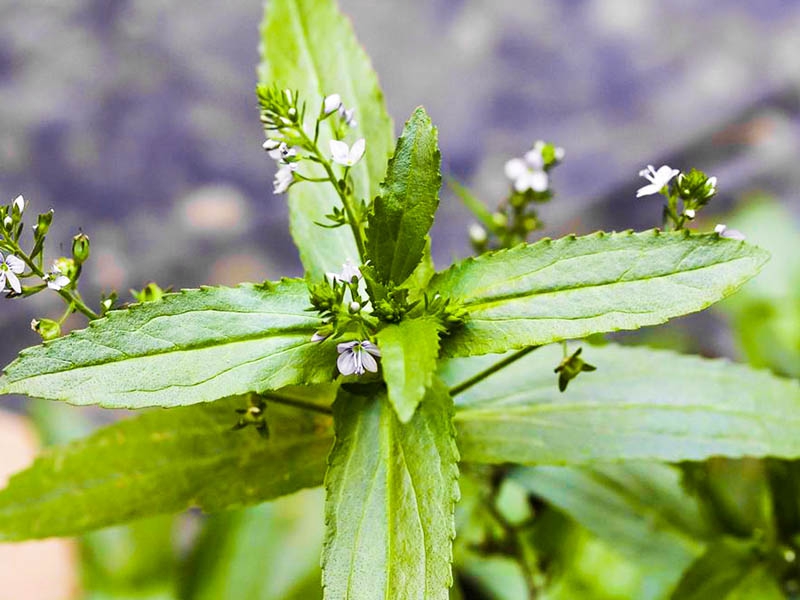
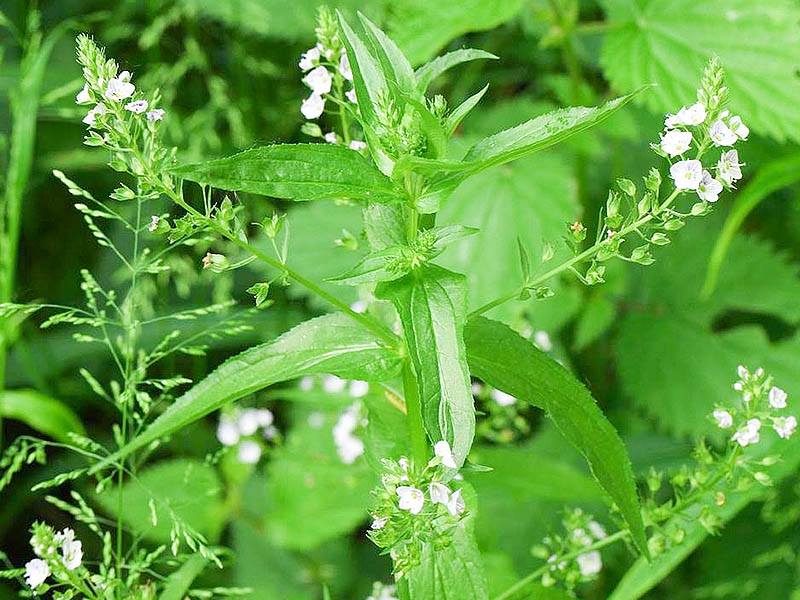
Veronica anagallisaquatica, scientific name Veronica anagallisaquatica, is a plant that grows in wetlands or along water's edge and thrives in environments close to water. I will explain the plant's growth characteristics, propagation methods, cultivation methods, garden uses, major pests and diseases, and control methods. Growth Characteristics Veronica anagallisaquatica is a perennial herbaceous plant that grows well primarily in wetlands or along water's edge. Its roots are shallow, and its stems grow long and branch out in various ways. The stems and leaves have a soft texture, and the leaves are opposite and oval-shaped. It blooms with small sky-blue flowers during the summer. Propagation Methods Veronica anagallisaquatica can naturally propagate through seeds, and propagating by cutting a stem and placing it in water to encourage new roots is also an effective method. Additionally, it flourishes lushly in wetland environments maintained by consistent watering. Cultivation Methods - Soil and Location: Well-drained soil that can always retain moisture is ideal. It grows best when planted near water, and it is recommended to place it in a location with partial sunlight. - Watering: Watering should not be done frequently, but it must be provided sufficiently. Care must be taken to avoid water shortage, especially during the hot summer months. - Fertilization: It is recommended to apply fertilizer about 1 to 2 times a year. While there are no specific fertilizer requirements, using organic fertilizer can promote healthy growth. Uses in the Garden Trichosanthes kirilowii is primarily suitable for wetland landscaping or waterside gardens. Its delicate colored flowers and green leaves are beautiful, making it excellent for ornamental purposes and useful for creating natural landscapes. Major Pests and Control Methods - Diseases: There are no major diseases, but care must be taken with drainage as root rot can occur due to excessive moisture. - Pests: It can be damaged by common garden pests such as aphids. Control Methods - Pests can be naturally controlled through regular monitoring and the use of natural enemies. 2. In severe cases, control measures can be taken using insect soap or approved insecticides. It is always recommended to prioritize eco-friendly methods. By referring to this information, you can successfully cultivate and manage Gymnocalycium chinense.
Plant Type
Plant Family
Scrophulariaceae
Height
40~80cm
Spread
Colors
white
Bloom Period
April to September
Water Needs
commonly
Exposure
Sunny
Freezing Resistance
-10°C
Veronica Dahurica
Veronica dahurica
American water worm
Veronica americana