English
한국어
English
Español
中文
हिंदी
Home
News
Community
Dictionary
English
한국어
English
Español
中文
हिंदी
View list
White-bearded daughter-in-law's rice grain
Melampyrum roseum
var.
japonicum
f.
leucanthum
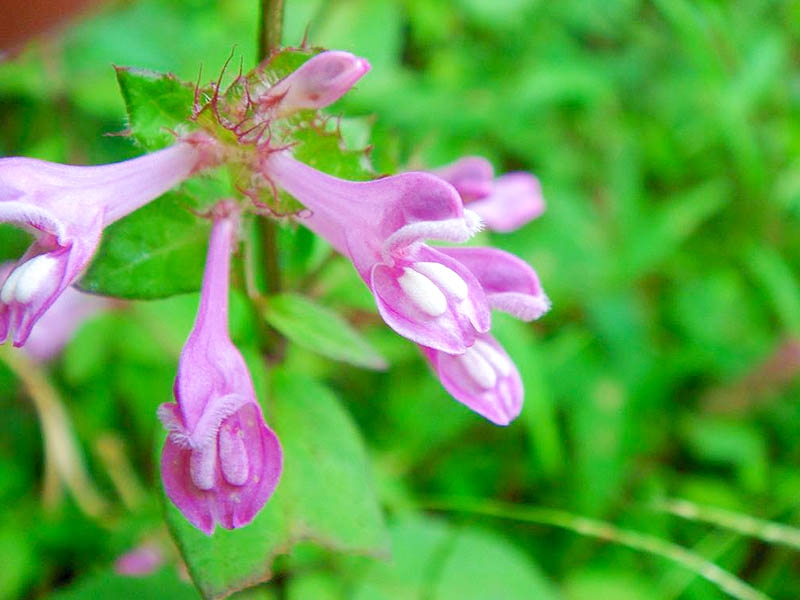
Melampyrum roseum var. japonicum f. leucanthum is a plant that can add unique beauty to your garden. Below is information regarding this plant's growth characteristics, propagation methods, cultivation methods, garden uses, and important pests and diseases and control methods. - Growth Characteristics: - This plant thrives primarily in partial shade and exhibits optimal growth in soil that maintains moderate moisture. - Flowers bloom mainly from summer to autumn and are generally white or light pink. - Propagation Methods: - It is mainly propagated by seeds, and it is best to sow seeds in the spring. - Since the seeds are small, it is recommended to scatter them thinly over the soil and lightly cover them. - Cultivation Methods: - Select well-draining soil, but be careful not to let it become excessively dry. - Water regularly to keep the soil moist, but ensure that the roots do not rot due to excessive water. - Use slow-release fertilizer in spring and summer to provide nutrients. - Use in the Garden: - Primarily used as a ground cover or border plant, it pairs well with other perennials. - It is particularly well-suited for natural gardens or forest gardens. - Major Pests and Control Methods: - It is generally resistant to pests and diseases, but root rot or fungal diseases may occur due to excessive moisture. - If pests or diseases occur, using appropriate fungicides or insecticides is helpful. - Regular observation allows you to detect and address problems early. Since this plant prefers a natural environment, it is important to manage it while maintaining its natural state as much as possible.
Plant Family
Scrophulariaceae
Height
30~50cm
Colors
white
Bloom Period
August~September
Water Needs
commonly
Exposure
Sunny
Freezing Resistance
-15°C
Flower daughter-in-law's rice grain
Melampyrum roseum
Ganeunjangguchae Seoulense
Melandryum seoulense