English
한국어
English
Español
中文
हिंदी
Home
News
Community
Dictionary
English
한국어
English
Español
中文
हिंदी
View list
Noctiflorum
Melandryum noctiflorum
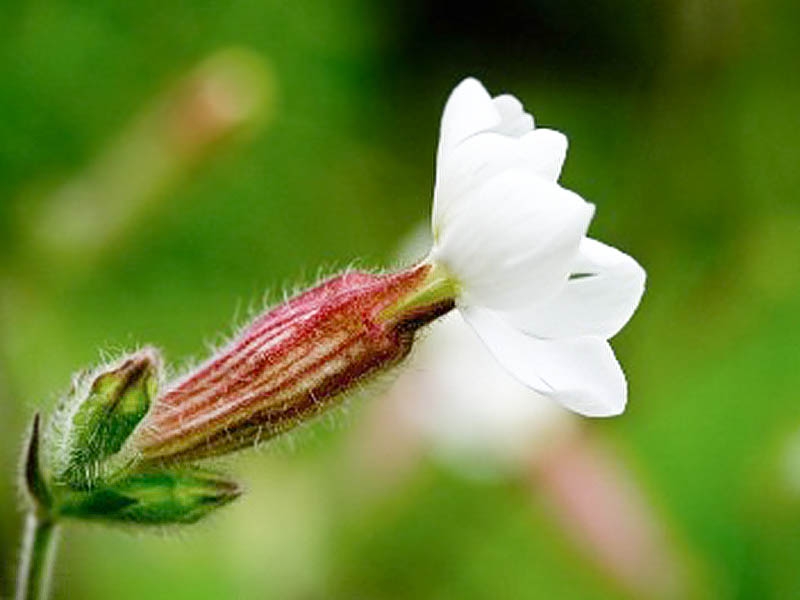
Melandryum noctiflorum has the following growth characteristics: Growth Characteristics - Sunlight: It thrives best in partial shade or shade. - Soil: It prefers well-drained soil rich in organic matter. - Temperature: It likes cool temperatures and struggles to grow in overly hot environments. Propagation Methods - Seeds: It is primarily propagated by seeds. Seeds tend to germinate well when sown in spring or autumn. - Division: Propagation is also possible by dividing the roots of mature plants. Cultivation Methods - Planting: Before planting, prepare the soil thoroughly and ensure a drainage layer before planting seeds or seedlings. - Watering: Avoid overwatering and water moderately. It is especially important to check for good drainage. - Fertilizer: It is beneficial to use fertilizers rich in nitrogen during the initial stages, and phosphate and potassium fertilizers during the later stages of growth. Use in the Garden - Since it grows in partial shade, it is suitable for shaded gardens or flower beds. - Its beautiful flowers make it excellent for garden decoration, and its fragrance can add a natural scent. Important Pests and Control Methods - Pests: Aphids and various fungal diseases are the main issues. - Control Methods: - Aphids can be removed by using appropriate insecticides or by spraying soapy water as a natural control method. - To prevent fungal diseases, maintain a well-ventilated and dry environment, and use antifungal agents if necessary. By cultivating Clematis chinensis (Clematis chinensis Noctiflorum) with these characteristics in mind, you will be able to create an even more beautiful garden.
Plant Family
Caryophyllaceae
Height
50cm
Colors
red
Bloom Period
July–August
Water Needs
commonly
Exposure
Sunny
Freezing Resistance
-10°C
Pink drumstick copy dispute
Melandryum capidatum
Flower-like grains roseum var. ovalifolium
Melcunpyrum roseum
var.
ovalifolium