English
한국어
English
Español
中文
हिंदी
Home
News
Community
Dictionary
English
한국어
English
Español
中文
हिंदी
View list
large-shelled bird
Melica turczaninowiana
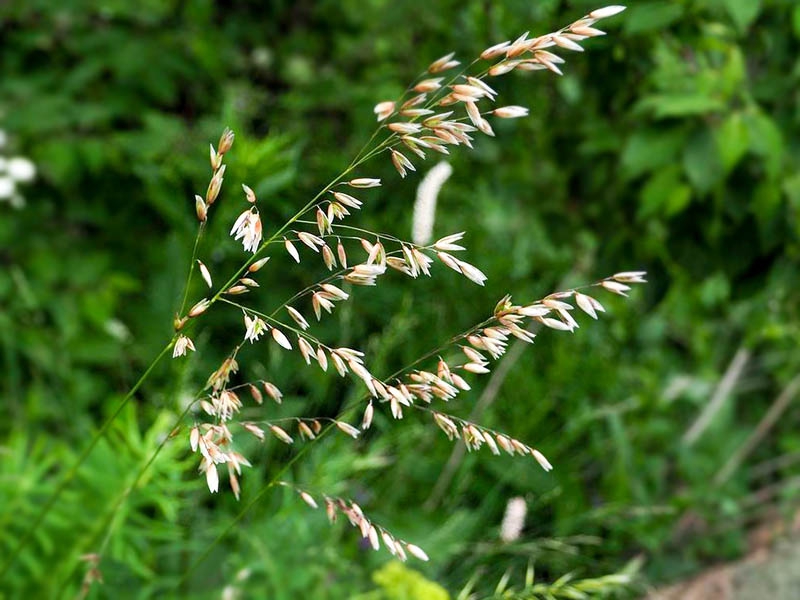
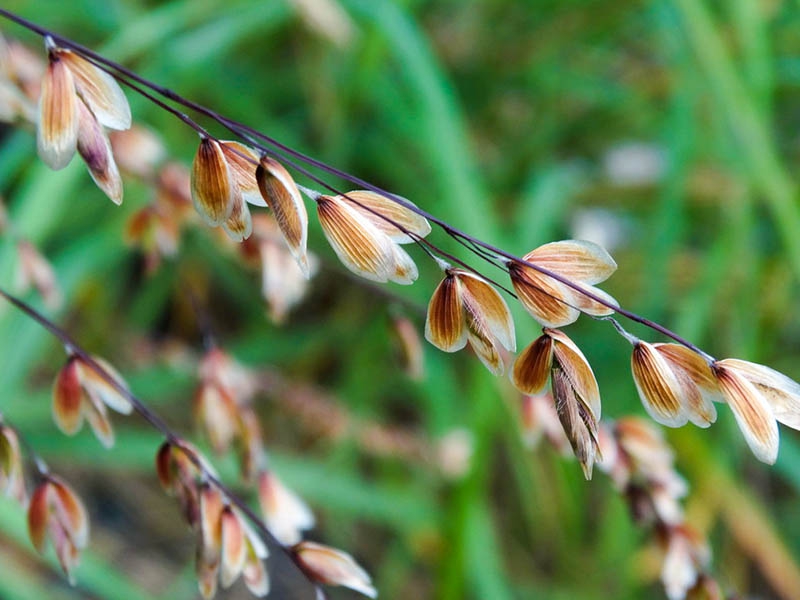
Melica turczaninowiana is a perennial herb native to East Asia, including Korea, and possesses the following characteristics: Growth Characteristics: Melica turczaninowiana thrives primarily at forest edges or in sunny meadows. It grows to a height of approximately 30 to 80 cm and produces green leaves and flowers from early spring through summer. It tolerates dry environments relatively well and thrives in partial shade. Propagation Methods: This plant is primarily propagated by seed germination. It is common practice to collect mature seeds in the autumn, store them in the refrigerator, and sow them in the spring. It can also be propagated by root division. This method is suitable for spring or autumn. Cultivation Methods: - Soil: Well-drained soil is suitable, and it grows well in soil with a general neutral pH. - Watering: Be careful not to overwater; water only when the soil becomes dry. 3. Location: It thrives in partial shade or full sun. However, excessive sunlight may lead to drought damage. Garden Uses: Turcjaninoviana is widely used as a landscape plant. It can be planted alongside grasses or meadow plants to create a natural atmosphere, and thanks to its strong vitality, it is relatively easy to care for. Important Pests and Control Methods: - Diseases: Although Turcjaninoviana is resistant to specific diseases, root rot caused by excessive moisture may occur. Pay attention to drainage and ensure good ventilation. - Pests: While it is relatively resistant to common pests, small pests such as aphids may appear. In such cases, control them using soapy water or organic pesticides. By following these methods, you can cultivate a healthy Turcjaninoviana and create a beautiful garden.
Plant Family
Poaceae
Height
25~100cm
Colors
White, purple, green
Bloom Period
June to August
Water Needs
commonly
Exposure
Sunny
Freezing Resistance
-30°C
King Rice Bird
Melica nutans
Chamssalsae
Melica scabrosa