English
한국어
English
Español
中文
हिंदी
Home
News
Community
Dictionary
English
한국어
English
Español
中文
हिंदी
View list
Hapdarinamu
Meliosma pinnata
var.
oldhamii
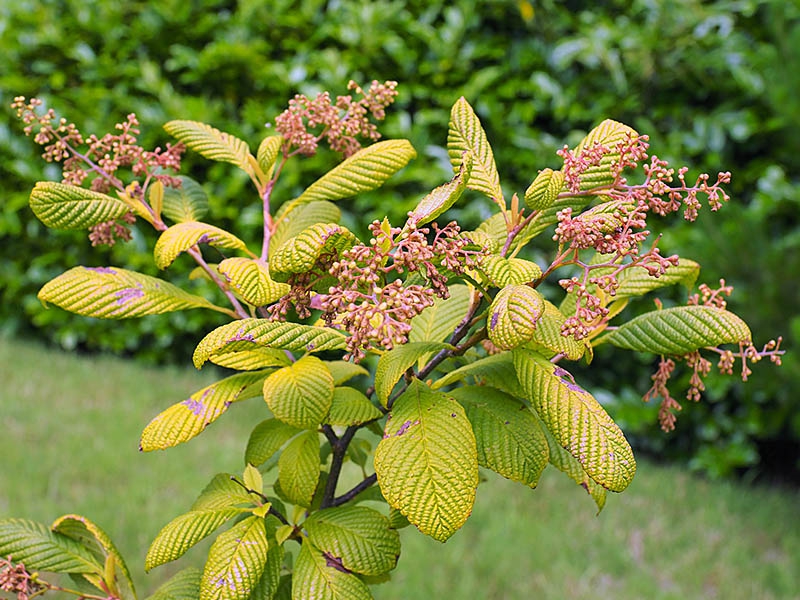
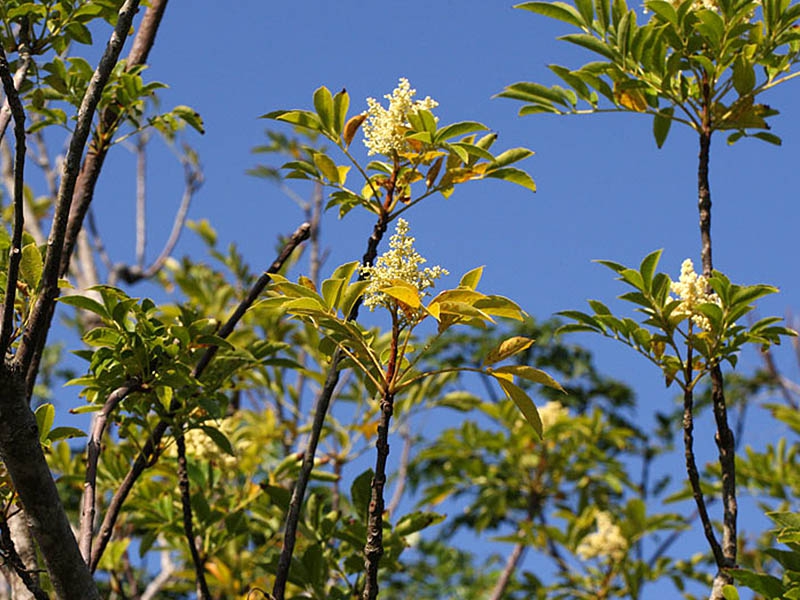
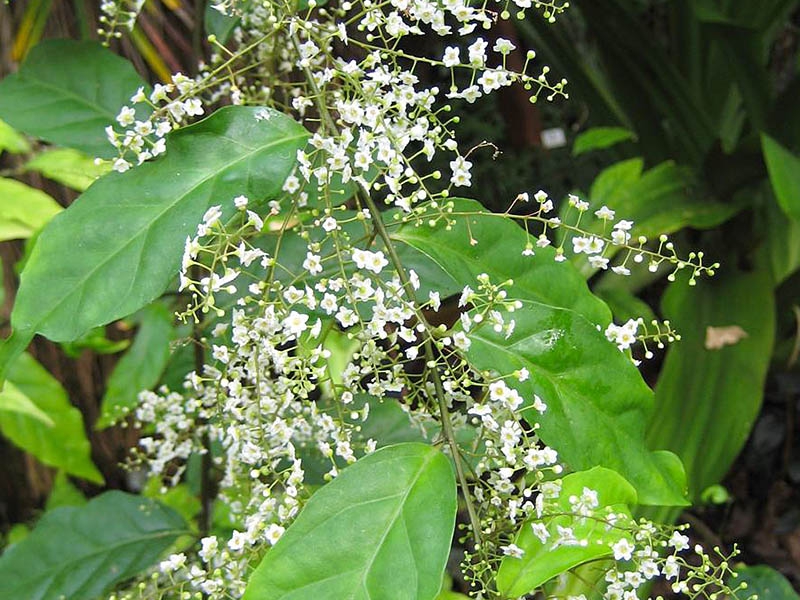
Meliosma oldhamii #Growth Characteristics Meliosma oldhamii is a deciduous broad-leaved tree primarily distributed in Asia. This tree grows to a height of 6 to 15 meters, and its leaves are lanceolate, long, and thin. Small yellowish-white flowers bloom between May and June, adding to its beauty. The fruit is small and round, ripening in the autumn. #Propagation Methods Meliosma oldhamii is mainly propagated by seeds. You can attempt propagation using seeds collected from mature fruit. Propagation by cuttings is also possible; you can take cuttings from branches when new shoots emerge in the spring. #Cultivation Methods Meliosma oldhamii thrives in well-drained soil and prefers sunny locations. Well-drained soil rich in organic matter is suitable, and dry environments should be avoided. Applying fertilizer in the spring and autumn can promote healthy growth. #Uses in Gardens The Japanese pagoda tree is suitable as a garden tree due to its excellent shade-providing ability and beautiful flowers and leaves. In particular, it is well-suited for growing in urban environments, making it suitable for use as a park tree or street tree. #Important Pests and Control Methods The Japanese pagoda tree is relatively resistant to pests and diseases, but it may occasionally suffer damage from fungal diseases or certain pests. In such cases, it is important to detect the problem early and apply appropriate fungicides or insecticides. Additionally, periodic pruning and maintaining cleanliness can prevent the occurrence of pests and diseases.
Plant Family
Pulmonaceae
Height
10m
Colors
white
Bloom Period
June
Water Needs
commonly
Exposure
Sunny
Freezing Resistance
-10°C
Melinys nerbiglous
Melinis nerviglumis
Japanese chestnut
Meliosma myriantha