English
한국어
English
Español
中文
हिंदी
Home
News
Community
Dictionary
English
한국어
English
Español
中文
हिंदी
View list
mountain grass
Mercurialis leiocarpa
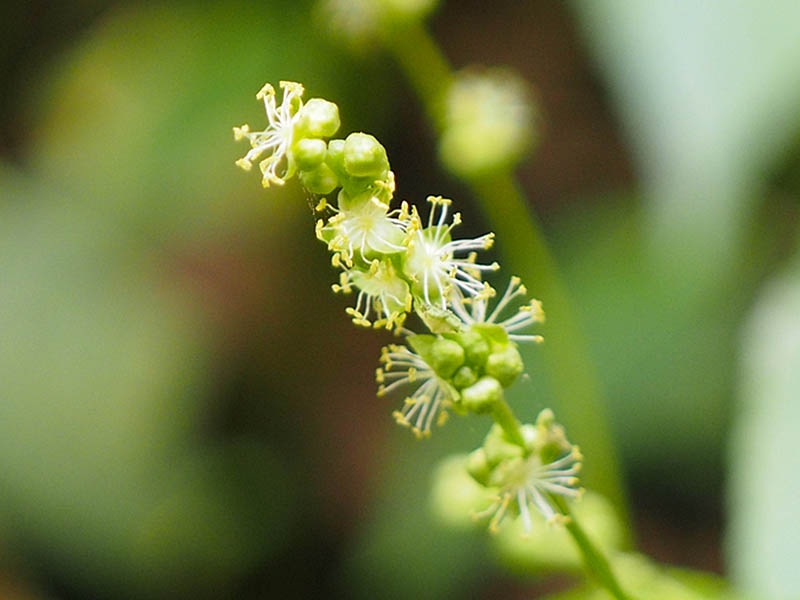
Mercurialis leiocarpa Growth Characteristics: Mercurialis leiocarpa is a perennial herb that thrives primarily in shady and humid environments. It requires moderate temperature and moisture, and grows vigorously in fertile soil. Generally, it does not grow well in environments where temperatures are too low or too high. Propagation Methods: This plant can be propagated by seeds and root division. For propagation by seeds, planting in the spring is best. Root division can be performed in spring and autumn; this method involves dividing the roots of an existing plant to create a new individual. Cultivation Methods: - Soil Preparation: Prepare fertile and well-drained soil. - Planting: Seeds are sown in the spring, while root division is performed in spring or autumn. - Care: Maintain adequate moisture and provide fertilizer as needed. Since it generally grows well in shaded areas, avoid strong direct sunlight. 4. Weed Removal: Regularly remove weeds to help the plant grow healthily. Garden Uses: Mountain indigo (Leiocarpa) can be used as a ground cover plant in shady gardens or forests. Since it generally thrives in shaded areas, it is excellent for improving these environments. Important Pests and Control Methods: Mountain indigo (Leiocarpa) is relatively resistant to pests, but it can be attacked by pests such as aphids and scale insects. These pests can be controlled by removing them by hand or using appropriate pesticides. If necessary, it is recommended to manage pests using eco-friendly methods. Common diseases include leaf spot caused by various fungi. To control this, maintaining sufficient ventilation and using fungicides when necessary is effective.
Plant Family
Euphorbia
Height
25~50cm
Colors
yellow, green
Bloom Period
March to May
Water Needs
commonly
Exposure
shade
Freezing Resistance
-20°C
Joreumnamul
Menyanthes trifoliata
Gaetjichi Faniculata
Mertensia paniculata