English
한국어
English
Español
中文
हिंदी
Home
News
Community
Dictionary
English
한국어
English
Español
中文
हिंदी
View list
Mesembrian Summon Barkley
Mesembrianthemum barklyi
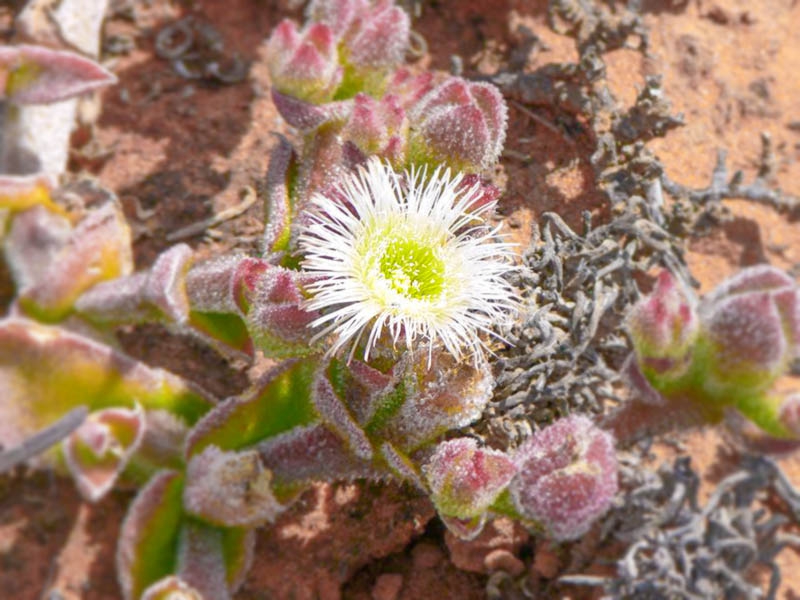
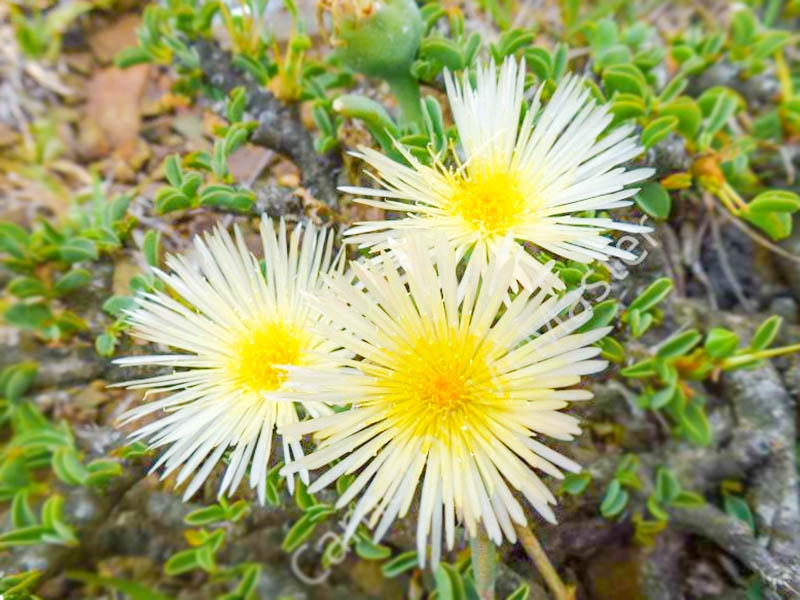
Growth Characteristics, Propagation Methods, Cultivation Methods, Garden Uses, Major Pests and Diseases, and Control Methods of Mesembrianthemum barklyi - Growth Characteristics: Mesembrianthemum barklyi is a succulent plant native to South Africa that thrives in dry environments. While it prefers some shade, it requires sufficient sunlight. It grows best in well-draining soil and does not require much water. - Propagation Methods: It can primarily be propagated by seeds or cuttings. When propagating by seeds, it is best to plant them in the spring. Cuttings involve cutting a mature stem and allowing it to root in a warm environment. - Cultivation Methods: Select well-draining soil and use a pot with good drainage. It is best to water only after the soil has completely dried out. It should be brought indoors for overwintering, and watering should be further reduced during the winter months. 4. Use in the Garden: Mesembrianum barkley is well utilized as a decorative plant in stone walls or rock gardens. It is also excellent as a ground cover, and its colorful flowers add vibrancy to the garden. - Important Pests and Diseases and Control Methods: Although generally resistant to pests, it can develop root rot if watered excessively. In such cases, reduce watering and ensure good ventilation. Additionally, bryozoans and aphids may occur, so manage them using appropriate pesticides. If necessary, wiping with soapy water or alcohol is also an effective natural method. This concludes the information on the characteristics and cultivation of Mesembrianum barkley. This plant is relatively easy to care for, so even beginners can grow it without difficulty.
Plant Family
Pomegranate family
Height
60cm
Spread
18cm
Colors
white
Bloom Period
May to July
Water Needs
Bad
Exposure
Sunny
Freezing Resistance
-5°C
sea snails
Mertensia maritima
subsp.
asiatica
sandwort
Argusia sibirica