English
한국어
English
Español
中文
हिंदी
Home
News
Community
Dictionary
English
한국어
English
Español
中文
हिंदी
View list
Siberian snow cypress
Microbiota decussata
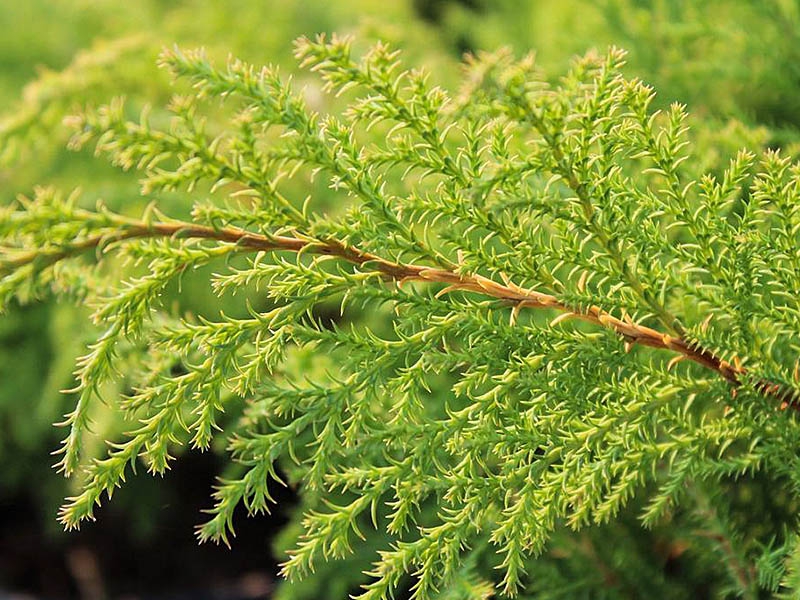
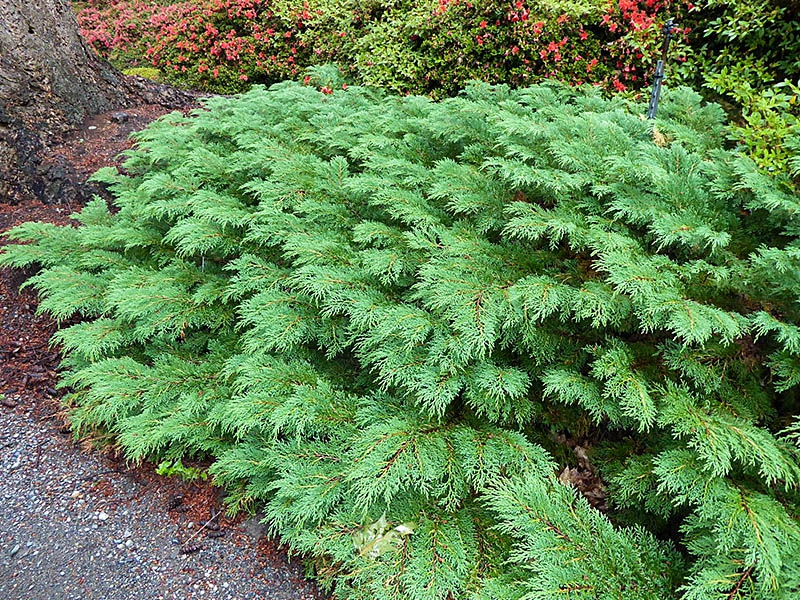
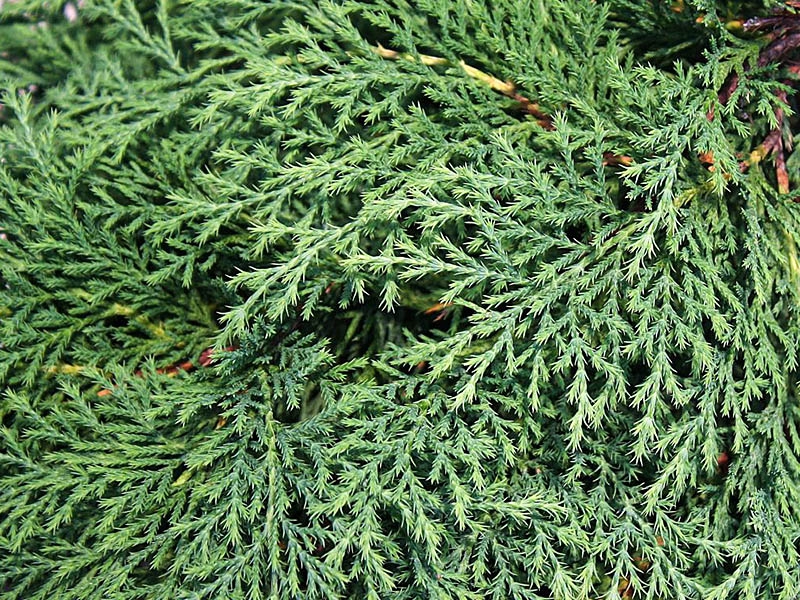
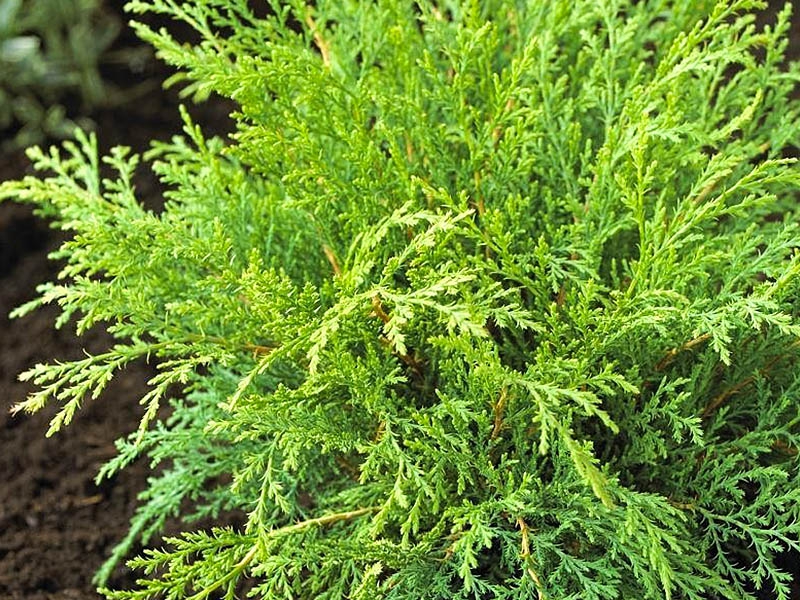
Siberian Snow Thuja (Microbiota decussata) is a conifer native to the Siberian region of Russia. The following is information regarding this plant's growth characteristics, propagation methods, cultivation methods, garden uses, and major pests and diseases and control methods. Growth Characteristics - Growth Pattern: Siberian Snow Thuja is a low-growing, shrub-like conifer with a spreading tendency. It typically reaches a height of 30–50 cm and can grow up to 2–3 m in width. - Leaves: It is characterized by small, scale-like leaves. The leaf color is deep green in the summer and may turn purple or brown in the winter. - Environment: It thrives in well-drained soil and sunny locations. While it can tolerate partial shade, it grows healthier in areas with plenty of sunlight. Propagation Methods - Seed Propagation: It can be propagated using seeds, but this is not a common method due to the low germination rate and the long waiting time. - Cuttings: This is a commonly used propagation method. You can take cuttings by cutting green branches in early summer. Plant the cut branches in potting soil that maintains adequate moisture to encourage root development. Cultivation Method - Soil: Well-draining, neutral to slightly acidic soil is suitable. - Watering: Water regularly during the first year after planting; thereafter, natural rainfall is sufficient. However, it is recommended to water during prolonged droughts. - Fertilizer: No special fertilizer is required, but applying an appropriate amount of slow-release fertilizer during the growing season is beneficial. Uses in Gardens - Due to its low-growing nature, the Siberian Snow Thuja is suitable as a ground cover plant. It is effective for landscape design and is suitable for planting in rock gardens, on slopes, and along edges. It is highly cold-hardy and thrives even in cold regions. Major Pests and Control Methods - Pests and Diseases: It is relatively resistant to pests and diseases. However, root rot can occur due to excessive moisture, so special attention must be paid to drainage. - Prevention and Management: Planting in well-drained soil and keeping the soil dry can prevent most pests and diseases. Pruning as needed to promote air circulation is also recommended. With this information, you can promote the healthy growth of Siberian Snow Thuja and add green beauty to your garden.
Plant Family
Cupress family
Height
15~60cm
Spread
0.9~3.6m
Colors
green
Bloom Period
March to August
Water Needs
commonly
Exposure
Sunny
Freezing Resistance
-30°C
Micranthoceae cactus estevesii
Micranthocereus estevesii
mud grass
Microcarpaea minima