English
한국어
English
Español
中文
हिंदी
Home
News
Community
Dictionary
English
한국어
English
Español
中文
हिंदी
View list
mud grass
Microcarpaea minima
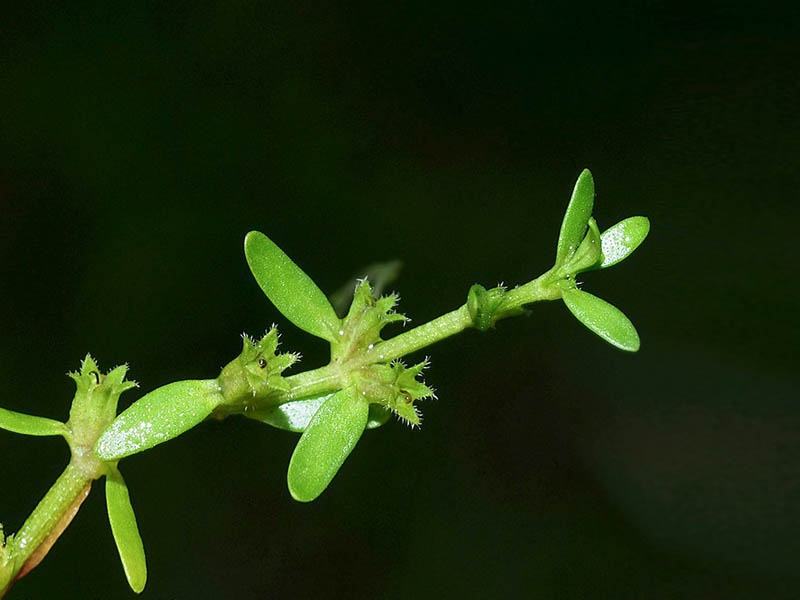
Microcarpaea minima has the following characteristics regarding growth, propagation, cultivation, garden use, major pests and diseases, and control methods. Growth Characteristics - Environment: Microcarpaea minima thrives in areas with high humidity. It primarily grows in wetlands or near water, and also grows well in well-drained soil. - Sunlight: It grows well in partial shade, but sufficient sunlight is also beneficial. - Temperature: It prefers a warm climate but can tolerate some temperature fluctuations. Propagation Methods - Seeds: It can be propagated by sowing seeds in spring or early summer. - Cuttings: Propagation is also possible via stem cuttings. This is most effective during the summer. Cultivation Methods - Soil: Well-draining soil mixed with sand or gravel is ideal. - Watering: Be careful not to overwater; water periodically to maintain a moist condition. - Fertilizer: During the growing season, use fertilizers rich in phosphorus and potassium to promote plant growth. Uses in the Garden - Ornamental: Its small size and attractive leaves make it suitable for garden decoration. It is ideal for use near water or as a wetland plant. - Creating Environments: It is useful for creating wetlands and is suitable for building nature-friendly gardens. Important Pests and Control Methods - Diseases: Root rot may occur due to excessive moisture. This can be prevented by improving drainage and adjusting the amount of watering. - Pests: Aphids may occur; eco-friendly insecticides can be used to control them. Minima mudgrass is a relatively easy-to-care-for plant and can be effectively utilized for garden decoration and wetland creation in suitable environments.
Plant Family
Scrophulariaceae
Height
5~10cm
Colors
green
Bloom Period
August to October
Water Needs
commonly
Exposure
Sunny
Freezing Resistance
-10°C
Siberian snow cypress
Microbiota decussata
Stone rabbit fern
Microlepia strigosa