English
한국어
English
Español
中文
हिंदी
Home
News
Community
Dictionary
English
한국어
English
Español
中文
हिंदी
View list
Double-layered fern
Microlepia pseudostrigosa
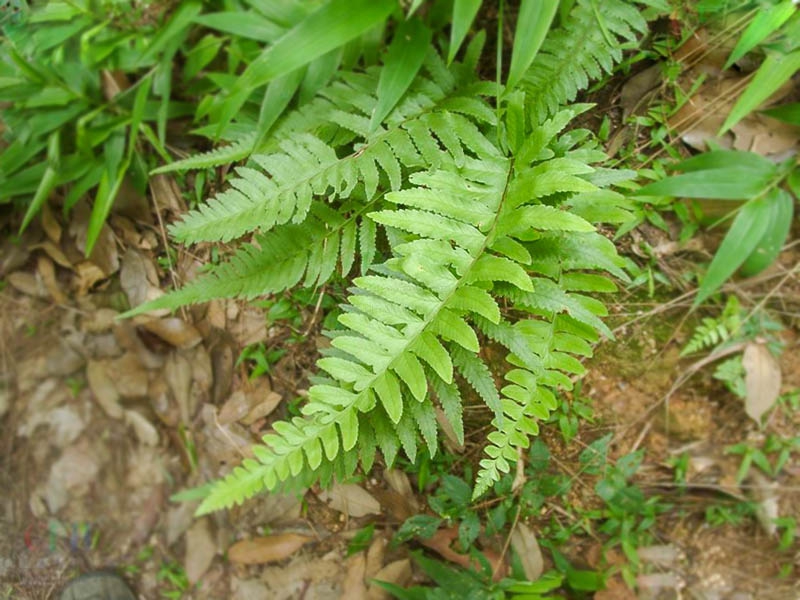
Microlepidia pseudostrigosa is a fern native to Asia that thrives primarily in moist environments. I will explain its growth characteristics, propagation methods, cultivation techniques, garden uses, and major pests and diseases, as well as control methods. - Growth Characteristics: - It prefers moist, well-drained soil and grows well in shady areas. - As a cool-loving plant, it prefers cool temperatures rather than high temperatures. - It grows actively from spring through summer, but growth slows down during the winter. - Propagation Methods: - It can be propagated by spores, which are collected during the spring and summer. - Spores can be dried thoroughly and sown in potting soil, or propagated by dividing the mother plant. - Cultivation Methods: - Well-drained mixed soil is suitable. For example, use an appropriate mixture of peat, clay, and sand. - Water regularly to prevent the soil from drying out. However, be careful as excessive watering can cause root rot. - Reduce watering during the winter and maintain a low temperature. - Use in the Garden: - Suitable as an ornamental plant in shady gardens, rock gardens, or moist terrain. - Plant under large trees or in locations that can maintain high humidity. - Major Pests and Diseases and Control Methods: - Diseases: Root rot may occur; since this is caused by overwatering, adjust the amount of watering and ensure good drainage. - Pests: Leaf-eating pests may appear; control them by physical removal or using eco-friendly insecticides. Based on this information, you can grow healthy and beautiful Dendrobium nobile. Try managing it appropriately according to your garden environment.
Plant Family
Fern family
Height
60~100cm
Colors
sporophyte
Bloom Period
July to September (spore period)
Water Needs
commonly
Exposure
semi-shaded area
Freezing Resistance
-10°C
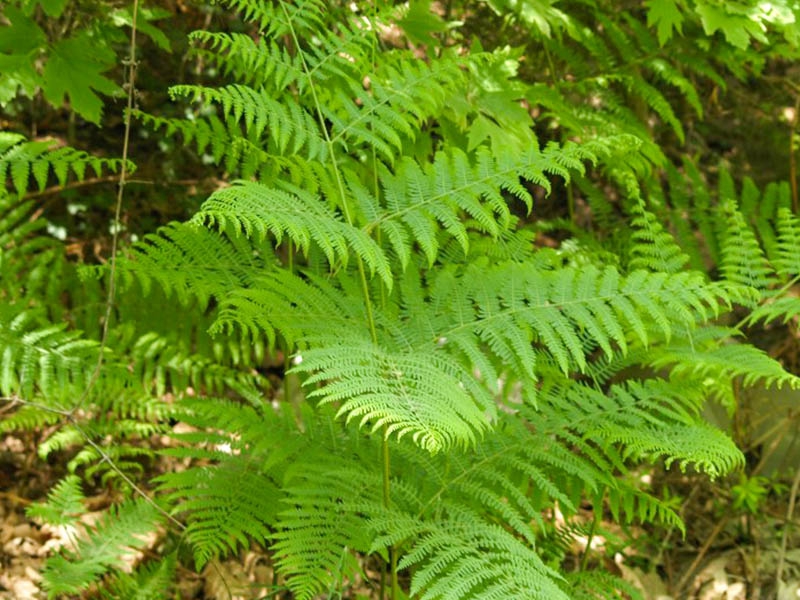
Stone rabbit fern
Microlepia strigosa
Stone fern
Microlepia marginata