English
한국어
English
Español
中文
हिंदी
Home
News
Community
Dictionary
English
한국어
English
Español
中文
हिंदी
View list
dog flea
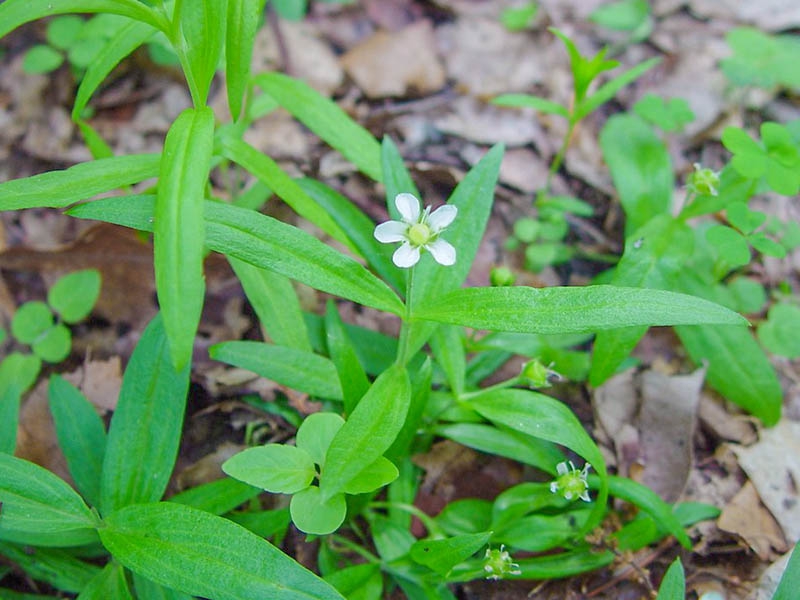
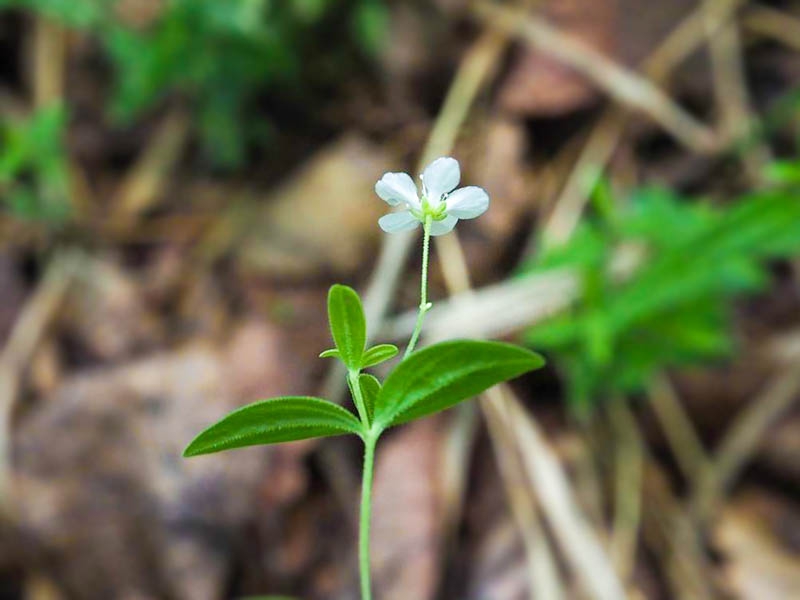
Moehringia lateriflora
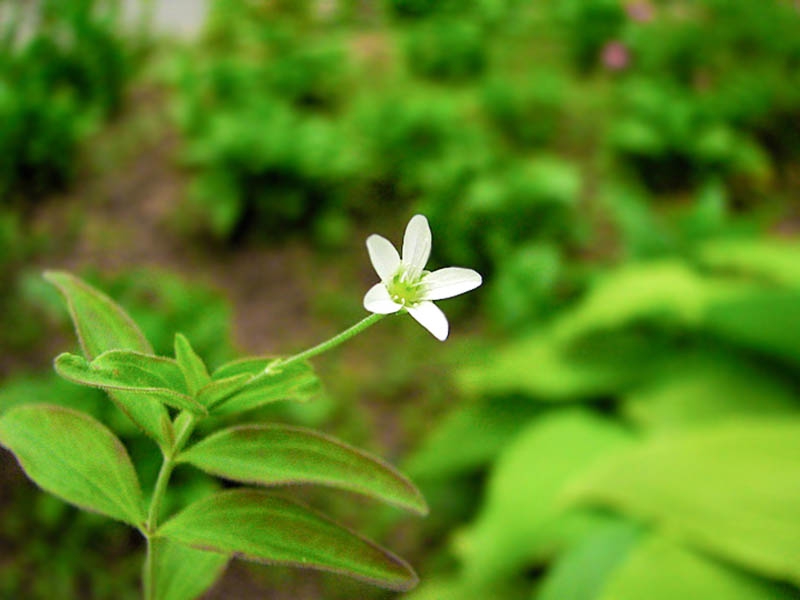
Growth Characteristics, Propagation Methods, Cultivation Methods, Garden Uses, Major Pests and Diseases, and Control Methods of Moehringia lateriflora - Growth Characteristics: - Moehringia lateriflora is a perennial herbaceous plant primarily distributed in temperate regions. - It thrives in soil with good aeration and cool air, but can also grow in slightly shaded areas. - It grows to a height of approximately 10 to 30 cm and produces small white flowers. - Propagation Methods: - Propagation by seeds is common. Seeds can be sown directly in the open ground in the spring, or seedlings can be grown indoors and transplanted. - To increase reproductive capacity, it is recommended to soak the seeds in water for about 24 hours before planting. - Cultivation Methods: - Select well-draining soil and maintain sufficient moisture, but avoid excessive watering. - It is necessary to support the plant firmly to protect it from strong winds and rain, and to prevent soil erosion or the plant from lying down. - Be careful, as excessive use of nitrogen fertilizer can be harmful. - Use in the Garden: - It is excellent for use in flower beds or as ground cover, and the small flowers add a natural atmosphere to the garden. - It is relatively easy to care for, making it suitable for beginners to try. - Major Pests and Control Methods: - While it generally does not suffer from major pests, it may be susceptible to root rot or leaf mold if waterlogged. - If disease occurs, remove the affected parts and use fungicides appropriately if necessary. - Aphids may be present as pests; to manage them, use soapy water or, if necessary, apply appropriate insecticides. Physiognomy lateriflora is easy to care for, making it a suitable plant for garden beginners. However, it is important to promote healthy growth through proper watering and soil management.
Plant Family
Caryophyllaceae
Height
10∼20cm
Colors
white
Bloom Period
June–July
Water Needs
commonly
Exposure
semi-shaded area
Freezing Resistance
-30°C
large long-bodied lantern moss Palustre
Mnium palustre
Jinpeorisae
Molinia japonica